
Last updated November 22, 2026
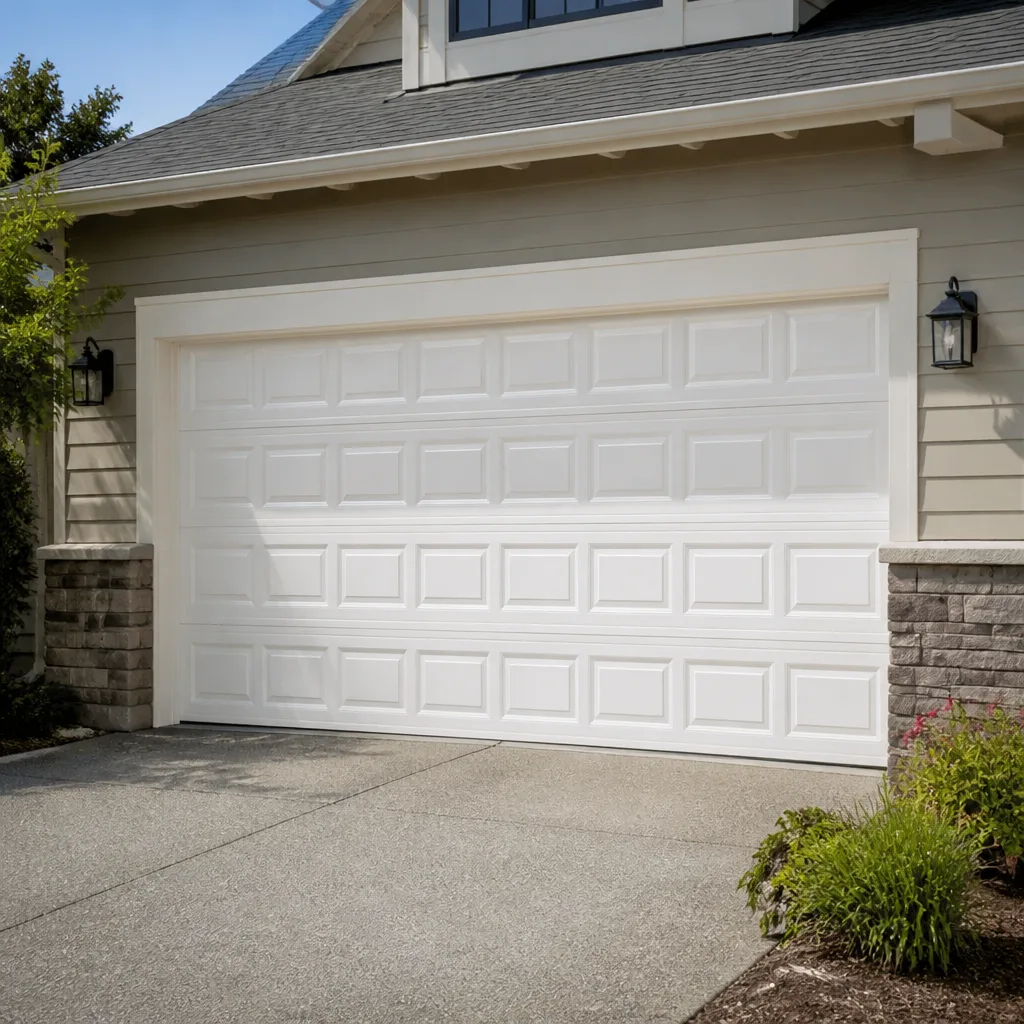 Raised-panel steel
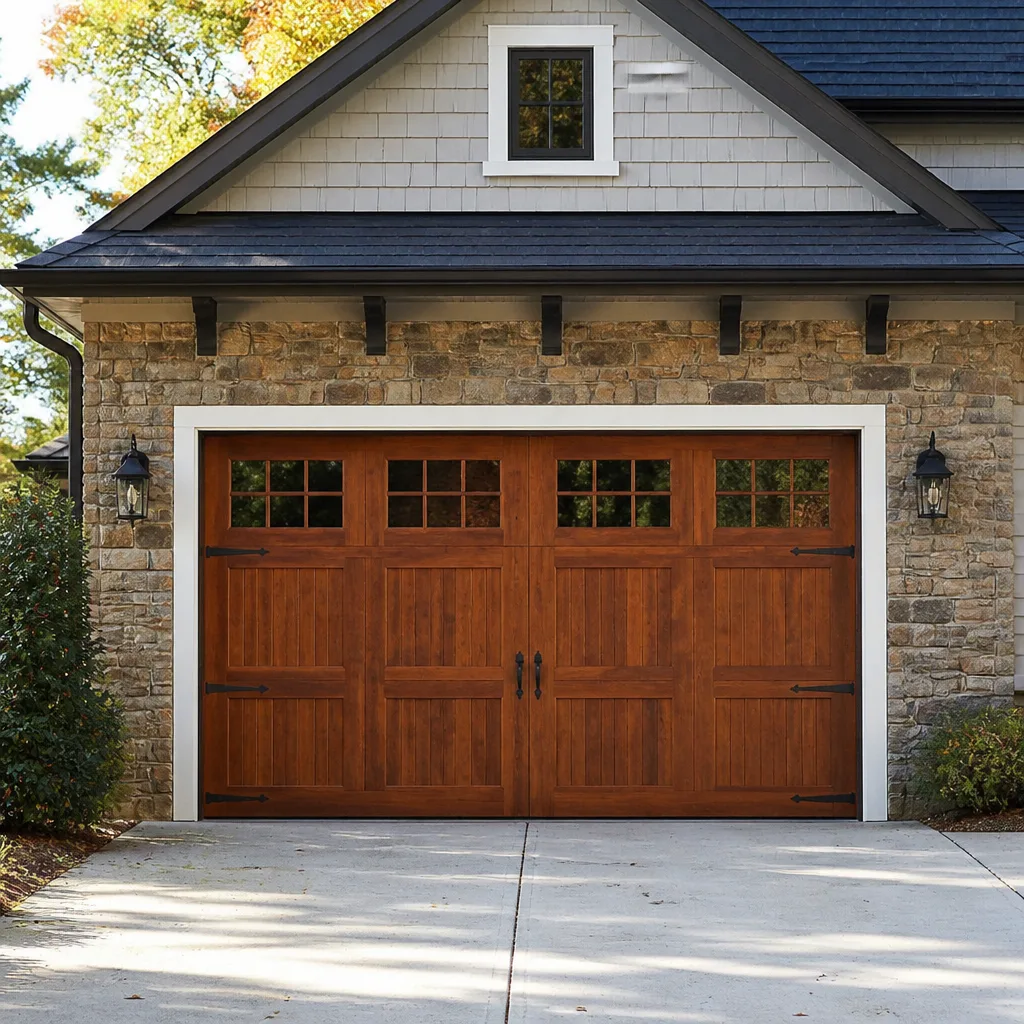 Carriage house
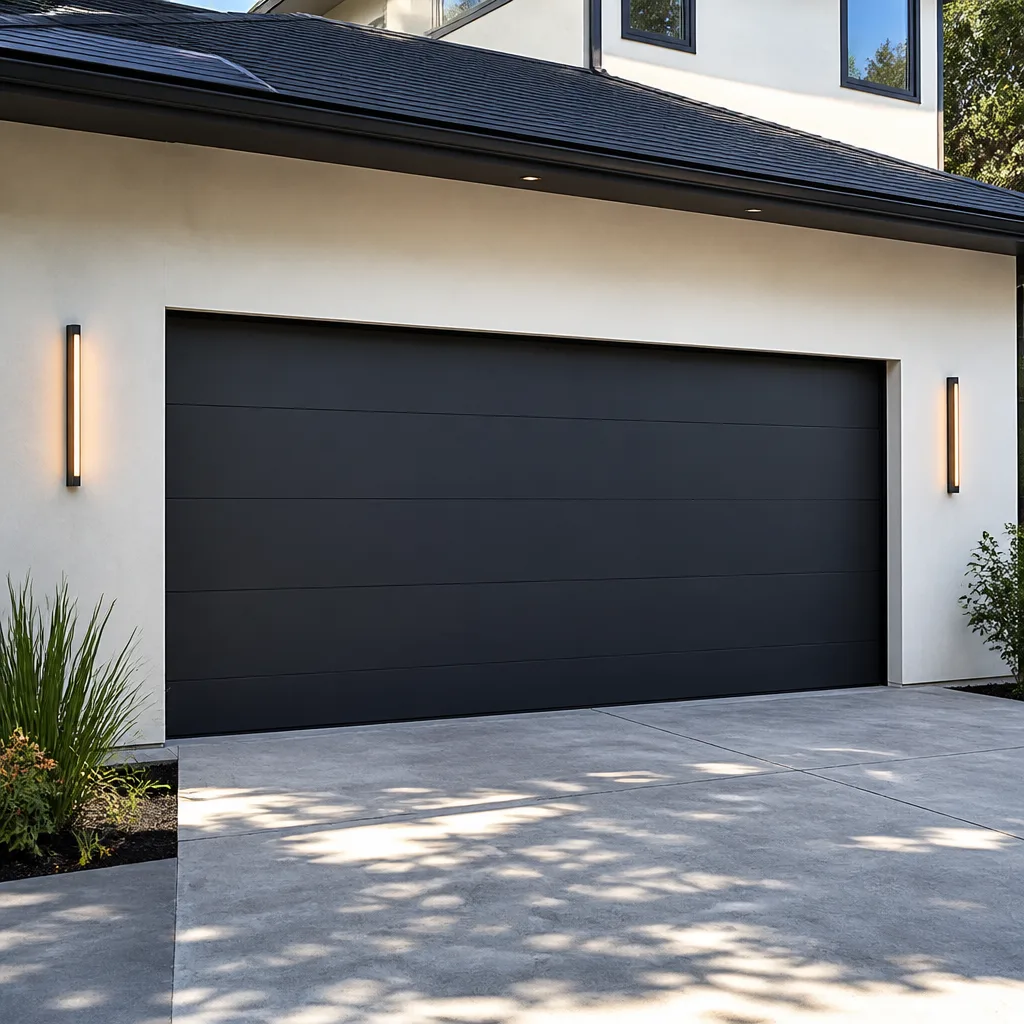 Modern flush
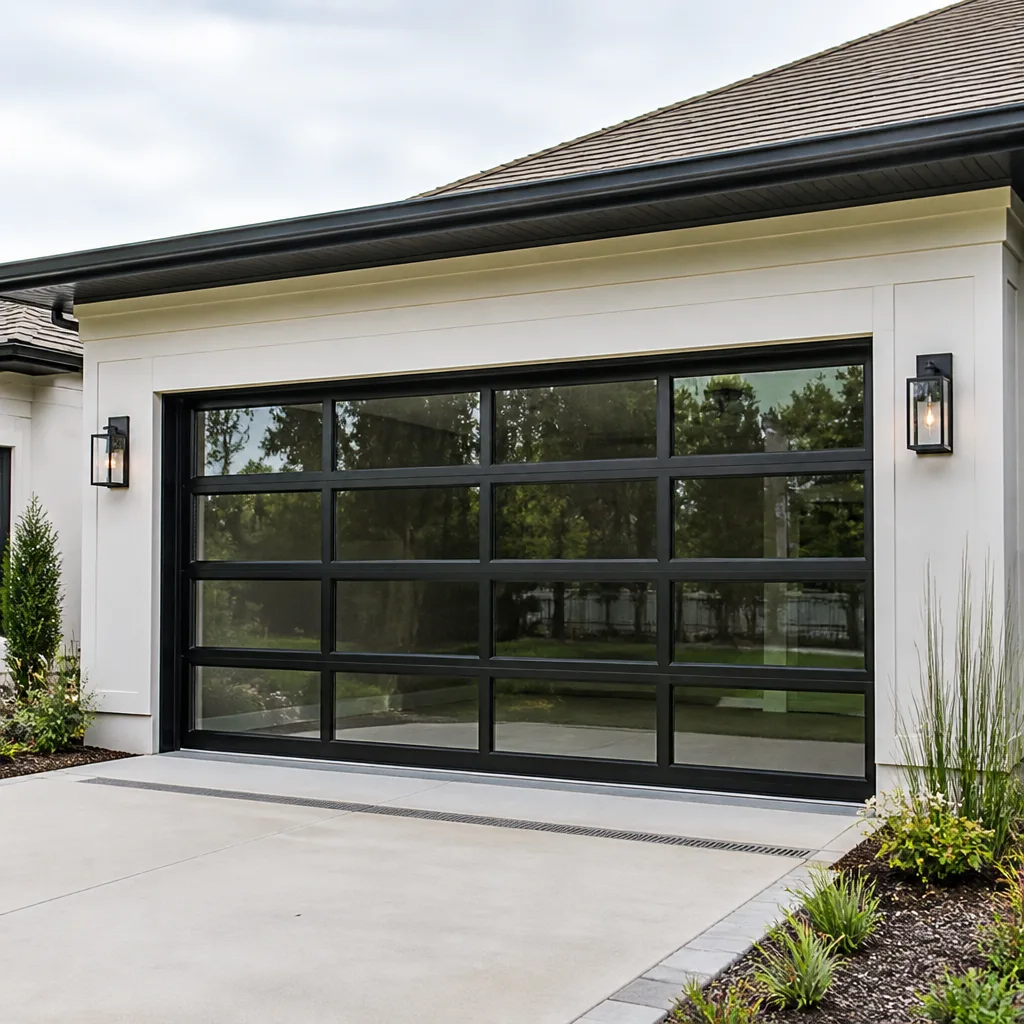 Full-view glass
 LiftMaster openers
 Chamberlain openers
Full 25-point door and opener safety check with every visit - springs, cables, rollers, tracks, and your LiftMaster or Chamberlain opener included
You get a price before we start. It does not change when the pro arrives.
Get your free estimateGarage Door Permits, Codes & Inspections in South Tampa, FL: What You Need to Know
Most South Tampa homeowners only think about garage door permits while they’re standing in the middle of a storm-prep checklist, and by then the door is already on the house. Here’s the counterintuitive part: the permit and the inspection matter more than the door itself. A garage door in South Tampa isn’t a decoration or a convenience. It’s a structural opening in a building envelope that has to hold up under wind pressure far beyond what a typical inland door is built for. The paperwork is what proves your door actually meets that standard. In this guide we’ll walk through when Hillsborough County requires a permit, what the code demands of the door’s wind rating, how the application and inspection process actually runs, and what documentation to ask for when you buy a South Tampa home with a garage door you didn’t install yourself.
Quick Answer
In South Tampa, a full garage door replacement requires a Hillsborough County building permit and a passing wind-load inspection, and the door must be rated for the design wind speed of the local wind zone. Straight cosmetic or mechanical repairs usually don’t need a permit, but swapping the door itself, changing the opening, or altering the track and header almost always does. If you’re buying a home, request the permit records and the product approval paperwork at closing.
Styles & brands we work with
- Raised-panel steel
- Carriage house
- Modern flush
- Full-view glass
- LiftMaster openers
- Chamberlain openers
Table of Contents
- When Does a Garage Door Project Need a Permit in Hillsborough County?
- What Florida Building Code Chapter 16 Actually Requires of Your Door
- How the Hillsborough County Permit Process Works, Step by Step
- What a Garage Door Inspection Actually Checks
- What a Failed Inspection Means and How It Gets Resolved
- Buying a South Tampa Home: How to Verify a Garage Door Is Code-Compliant
- Which Garage Door Repairs Don’t Need a Permit
- Why Your Insurance Carrier Cares About the Permit
When Does a Garage Door Project Need a Permit in Hillsborough County?
The short answer: full door replacement needs a permit; repair generally doesn’t. Hillsborough County treats a garage door as part of the building’s structural envelope when it’s the primary wind-rated barrier at that opening. That means the county wants to see a permit and an inspection any time the rated assembly is being replaced, removed, or altered in a way that could affect how it performs under wind load.
The line falls roughly like this:
- Full garage door replacement – permit required. New door, new rated assembly, new inspection.
- Door size change or opening modification – permit required. Widening or shortening the opening changes the structural header and the load path.
- Track, spring, cable, roller or hinge replacement – usually no permit, unless the work involves cutting or altering the structural framing around the opening.
- Opener replacement or opener repair – typically no permit on its own. An opener is a mechanical accessory, not a wind-rated component.
- Panel replacement on a rated door – depends on the panel and the door’s product approval. If the panel is a listed component of the rated assembly, the county generally treats it as repair. If it changes the rated assembly, expect a permit.
One thing we tell every South Tampa homeowner: the answer isn’t whether the door looks the same, it’s whether the rated assembly is being changed. A permit isn’t a tax on your project. It’s the county’s way of confirming that the thing protecting your living room is actually the thing the code says it must be.
If a project is in the gray area, contact the county building department before work begins. It’s a five-minute call and it prevents a much longer conversation later.
What Florida Building Code Chapter 16 Actually Requires of Your Door
Florida Building Code Chapter 16 sets the wind-load requirements for the building envelope, and your garage door is part of that envelope. Under Chapter 16, the state is divided into wind-borne debris regions, and every product that encloses the envelope at an opening has to be rated for the design wind speed in that zone. In South Tampa, the design wind speed used for envelope products is 150 mph.
That 150 mph number is the one that matters, and it translates directly into product specifications. When a garage door is rated for a 150 mph design wind speed, the manufacturer has to demonstrate two things:
- The door and its track, hardware and anchors survive the positive and negative pressure of that load.
- The door either resists missile impact or the building has approved protection for the opening.
What the homeowner sees is a label and a set of numbers on the product approval, not the engineering behind it. What matters is whether your door carries a current Florida product approval for the correct wind zone, whether it’s installed with the anchors and reinforcement detail listed in that approval, and whether the installation matches exactly what the manufacturer published. A door rated for the correct wind speed but anchored the wrong way fails the inspection, and it fails the first strong storm in South Tampa.
This is where we see the biggest gap. Generalist installers sometimes order a door whose product approval matches a different wind zone, or install it without the listed reinforcement. That’s why we ask for the product approval before we start and install to it: the door in your garage has to match the paper that goes to the county. If we’re replacing a door in a South Tampa home, we confirm the approval number before the order goes in, not after the inspector shows up.
How the Hillsborough County Permit Process Works, Step by Step
The Hillsborough County permit process for a garage door replacement is fairly predictable once you know the sequence. It moves faster when the paperwork is complete the first time, and slower when it isn’t.
- Confirm the scope and the product. Decide what’s changing: door only, door and track, opening modification, panel replacement. This determines the permit type and the submittal package.
- Pull the Florida product approval. The product approval for the door must list the correct design wind speed for the zone, and it has to cover the exact configuration (width, height, panel count, glazing, reinforcement).
- Prepare the submittal. The package typically includes the permit application, the product approval, the installation instructions or detail sheet, and a drawing or scope narrative showing what’s being installed and where.
- Submit the application. Hillsborough County takes garage door permit applications through its online permitting portal. Straightforward replacements usually move through plan review without a contractor licensing issue; complicated openings or engineering changes take longer.
- Pay the permit fee and receive the permit. Fees scale with the valuation of the project. A typical straightforward residential door replacement usually lands in the low hundreds of dollars in this market, but the county sets the final number and the fee should be listed on the permit itself. We don’t mark it up; it’s shown on the paperwork.
- Installation. The door goes in, the installer matches the manufacturer’s anchor and reinforcement detail exactly, and the work stops short of final finishes until the inspection passes.
- Schedule the inspection. After the door is set and the hardware is installed, the inspection is scheduled through the county. The inspector verifies the installation against the approved product approval.
- Final sign-off and close-out. The inspection passes, the permit gets closed, and the signed-off record documents that the door meets the code as installed.
On timelines: simple replacements usually clear plan review quickly, but we tell South Tampa homeowners to plan for a week or more from submittal to a scheduled inspection, and to allow longer if the door is a nonstandard size or the opening is being modified. Don’t schedule installation the same week you submit. Order the door, then file.
An installation is a measured, ordered, scheduled job. If we’re handling the install, the process starts with a free measure and a written price that includes the permit cost. Call (833) 696-2185 for that measure. We answer 24/7. Fast dispatch from 7am to 7pm, Sunday through Friday.
What a Garage Door Inspection Actually Checks
The inspector isn’t judging whether your door looks nice. The inspection verifies that the installed door matches what the product approval calls for, in the correct configuration, at the correct wind rating, installed per the manufacturer’s instructions.
In our experience, an inspection generally covers:
- Product identification. A label, tag, or documentation matching the door on site to the approval listed on the permit.
- Wind speed rating match. Confirming the door carries a rating for the design wind speed for the locale, not for a different zone.
- Anchor spacing and type. The bolts, spacing and embeds that hold the track and header to the structure have to match the approval detail. This is where most rejections happen.
- Reinforcement struts. If the product approval calls for horizontal reinforcement on the door sections, the struts have to be present and in the position listed.
- Track installation and clearance. Track alignment, header attachment and clearances as specified.
- Labeling. The manufacturer’s label or stamp visible on the installed door, plus the approval documentation on hand.
- Opening protection (if applicable). For doors that rely on a separate protection product or system, verification that it’s present and rated.
Labeling is where things get sloppy. Some installers remove the manufacturer label while handling the door. Some use an anchor that matches the label but install it at the wrong spacing. The inspector doesn’t accept “close enough,” and neither should you. Ask the installer to leave the label visible and to keep the product approval on site during the inspection.
What a Failed Inspection Means and How It Gets Resolved
A failed inspection means the permit stays open. It does not necessarily mean the installation is wrong, but it does mean the paperwork and the site don’t match yet, and the county won’t close the permit until they do.
The most common reasons a garage door inspection fails are predictable:
- Anchor mismatch. The installer used an anchor the product approval doesn’t list, or installed the correct anchor at the wrong spacing.
- Wrong product approval. The door used has an approval, but not the one for the correct wind zone or the correct size and configuration.
- Missing reinforcement. The horizontal strut called for in the approval is absent or in the wrong place.
- No product documents on site. The inspector can’t verify the door against the approval because the paperwork isn’t available.
- Improper track attachment. The track is attached to a substrate that isn’t adequate for the load listed in the approval.
What a contractor should do about a failed inspection is set the next appointment correctly: identify what the inspector flagged, get the missing or incorrect components, bring the correct product documentation, correct the install as needed, and re-schedule. What a contractor should not do is argue with the inspector or slap a piece of matching trim over a reinforcement gap and call it fixed.
If you’re buying a South Tampa home and the seller’s door has an open permit or a failed inspection on record, that’s a real finding. It means the door on the house has never been demonstrated to meet the code as installed. It should be corrected before closing, and the record of the passed inspection should travel with the property.
Buying a South Tampa Home: How to Verify a Garage Door Is Code-Compliant
South Tampa has a lot of homes where the garage door was replaced at some point in the last twenty years, and not all of those replacements were permitted. When you buy a house in Palma Ceia, Hyde Park, Bayshore Beautiful, Virginia Park, or Sunset Park, the garage door may be newer than the house and may or may not have the paper trail.
At closing, ask for the following from the seller:
- The permit record for the current door. The county can show you whether a permit was pulled and whether it was closed with a passing inspection.
- The product approval documentation. The manufacturer’s approval number for the installed door, matching the door on site.
- The installation date. To cross-reference against the permit records and the product approval validity.
- Any warranty paperwork from the installer. Particularly for the door panels themselves and the torsion spring assembly.
- Confirm the door carries the correct wind rating for the zone. This is a photo of the label plus the approval document, not a verbal assurance from the seller.
If the documentation is missing, don’t panic and don’t assume the door is out of code. Instead, look at the door for the manufacturer label, take a photo, and call the manufacturer or a garage door specialist to trace the product approval. If the door is older than the current wind requirements and no approval can be found, budget for a rated door replacement into your planning. The most common scenario we see in South Tampa isn’t a door installed without any protection; it’s a door installed with a product approval that’s been superseded or doesn’t match the size on site.
A free measure and an honest conversation about the door is the cheapest piece of due diligence you can add to a real estate purchase. Call (833) 696-2185 when you’re in the middle of it. We’ll tell you what we see and what we’d do about it.
Which Garage Door Repairs Don’t Need a Permit
Most of what we do on South Tampa garage doors doesn’t move the needle on the code at all. Springs, cables, rollers, hinges, opener boards and remotes are all mechanical or electrical components inside the rated assembly, and replacing them is repair, not construction.
Repairs in our scope that don’t require a permit:
- Torsion and extension spring replacement
- Cable, drum and roller replacement
- Hinge, bracket and track component replacement (without altering the opening)
- Opener repair and opener replacement on an existing door
- Panel replacement where the panel matches the door’s existing product approval
- Seal, weatherstrip and threshold replacement
- Parts sourcing for any of the above, including on LiftMaster, Chamberlain, Genie, Clopay, Amarr, Wayne Dalton, Craftsman and Raynor products
Spring repair deserves its own note. Torsion springs and cables are stored-energy components and they can cause serious injury when they let go, so this is a job for a trained technician, not a weekend project. We keep spring repair as a core service because it’s the most common failure and the most commonly deferred. If the spring on a South Tampa door has failed, the door may be sitting on the ground with the carriage disengaged: don’t force it. Call for garage door spring repair and get it evaluated safely.
Why Your Insurance Carrier Cares About the Permit
A homeowner’s insurance policy is a contract about risk. The carrier accepts the risk of a house built and maintained to code. When the garage door wasn’t permitted, the record doesn’t show the door meets the code, and some carriers use that gap to deny a claim tied to the failed assembly. This is why the permit isn’t a bureaucratic formality in South Tampa: it’s a documented chain that says the door on your house is the door the code requires, installed the way the code requires.
That chain matters most after a storm, when a door fails and everything behind it is exposed. It also matters for water intrusion from a door that doesn’t seal correctly, and for impact damage from debris. If you’re filing a claim and the adjuster asks for the door’s product approval and the permit record, the last thing you want is a shrug.
We can’t tell you what your carrier will or won’t do in a specific claim; that’s between you and your insurer. What we can tell you is what the paperwork would need to look like to support a claim. Keep the permit record, the product approval and the installation invoice with your home documents. If you’re replacing a door, ask for them at the end of the job. If you’re buying a home, ask for them from the seller.
Common Mistakes to Avoid
- Skipping the permit to save a few hundred dollars on the front end. The permit fee is small compared to the risk of an unrated or undocumented door. If the door has to come out later because the assembly was never verified, you’re paying for two installs.
- Assuming an opener swap needs the same permit as the door. An opener is a mechanical accessory, not the rated assembly, so most opener work doesn’t trigger a permit. Don’t let a contractor talk you into a door permit for a garage door opener repair you don’t need.
- Buying the door before checking the product approval. Order the door that matches the wind zone for the specific opening, in the specific configuration. Do it before the order, not after.
- Removing the manufacturer label during installation. The label is how the inspector matches the door to the approval. Leave it visible.
- Assuming the last owner’s install was code-compliant. South Tampa has a lot of doors that were replaced without pulling a permit, and a lot of doors that were installed with the correct approval but terminated the process before inspection. Ask for the records.
- Forcing a door with a broken spring to get the car out. This turns a spring repair into a bent track, a damaged panel and sometimes a trip to the emergency room. Stop using the door and call.
- Letting a generalist handle the replacement and the paperwork. Permits for garage doors get bounced on structural, anchoring and product-approval details that a specialist handles as routine. A door is on our list every day; on a generalist’s list it’s a project.
See the difference
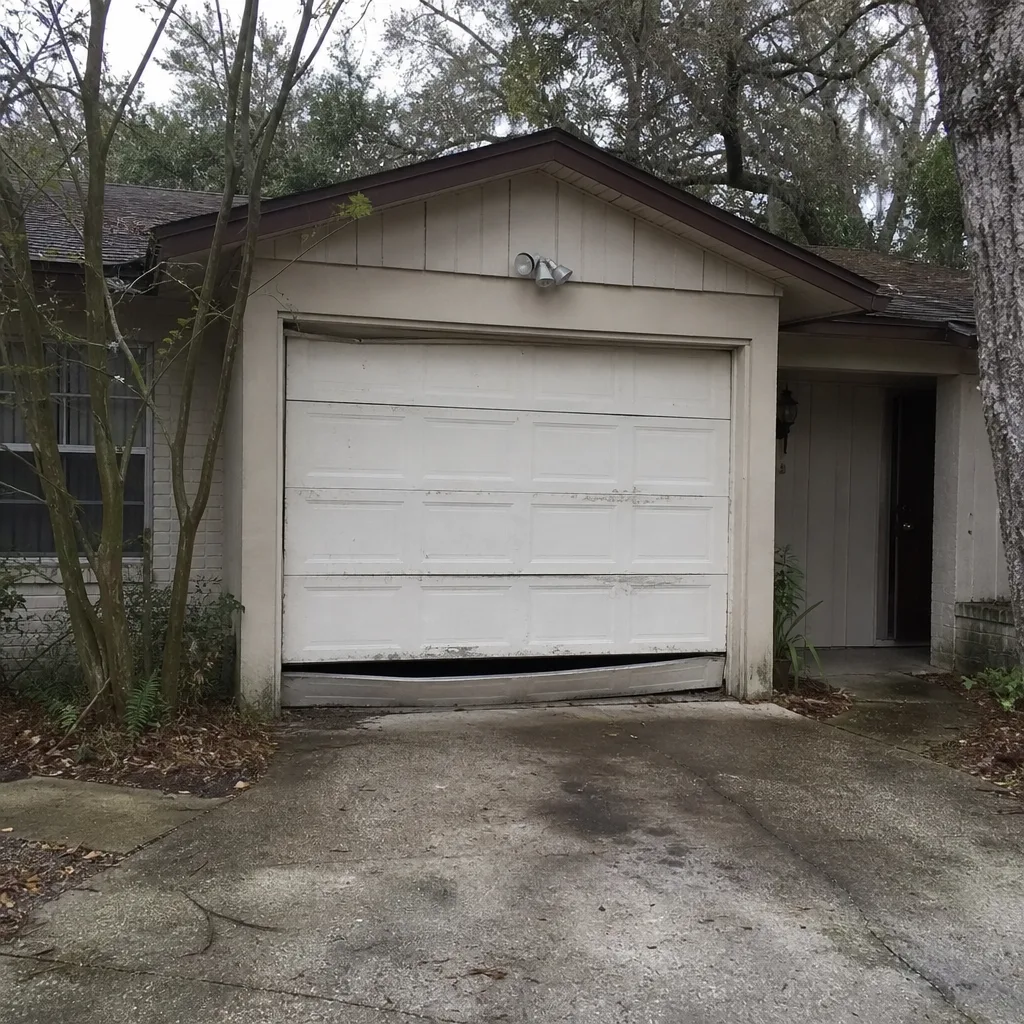 Before
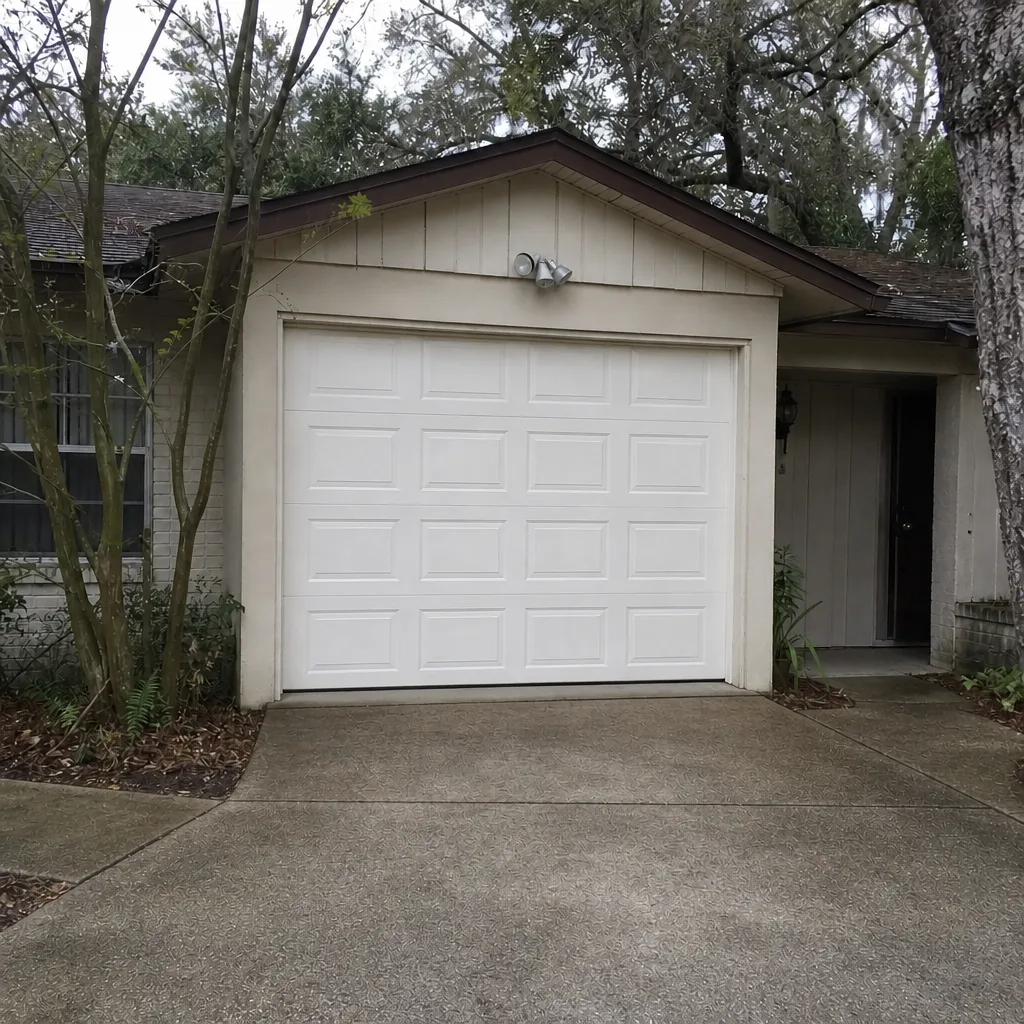 After
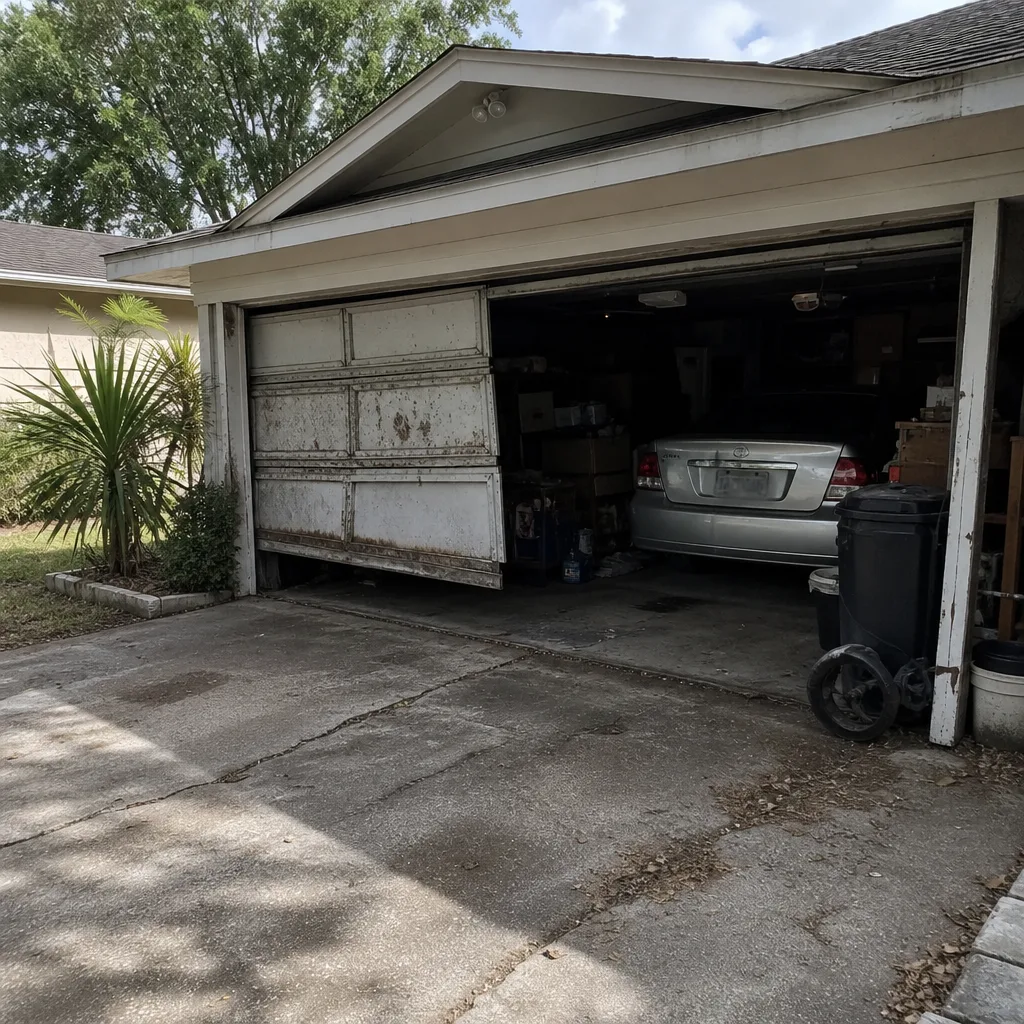 Before
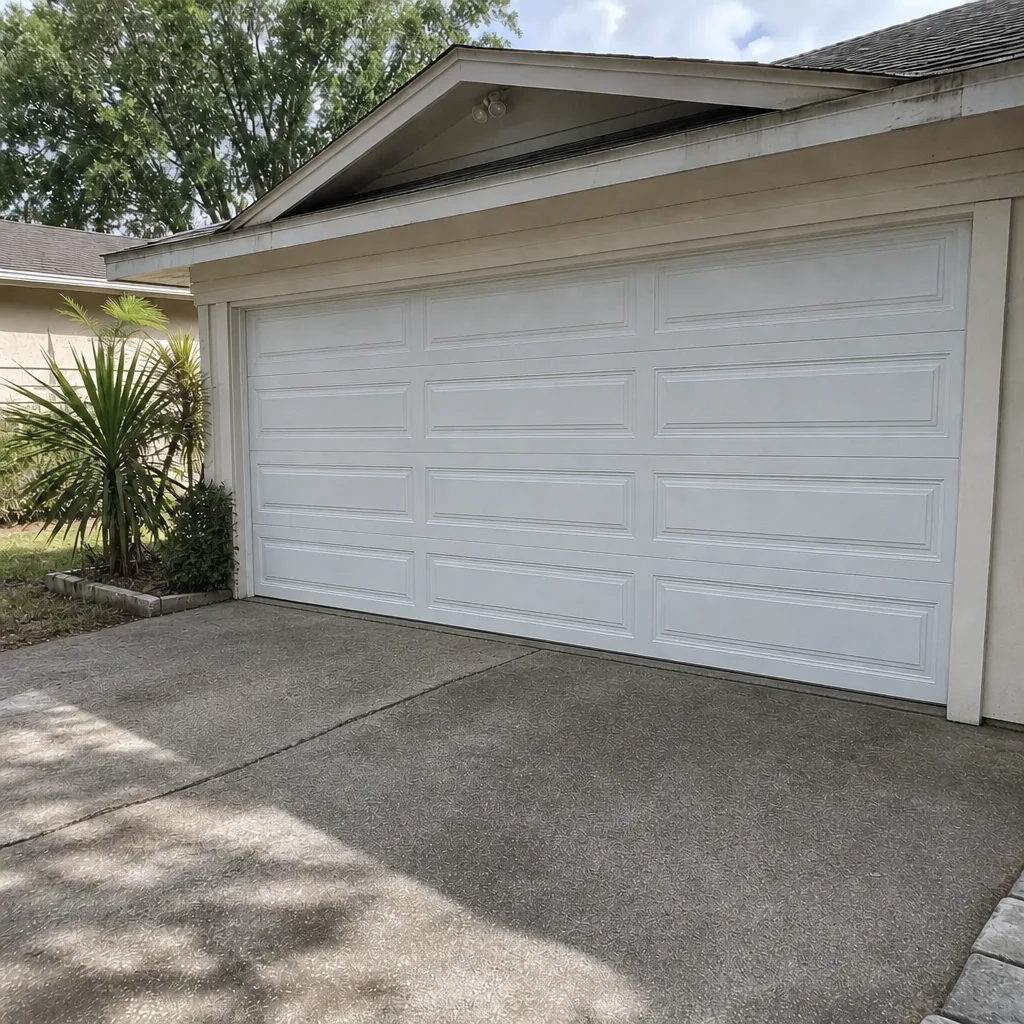 After
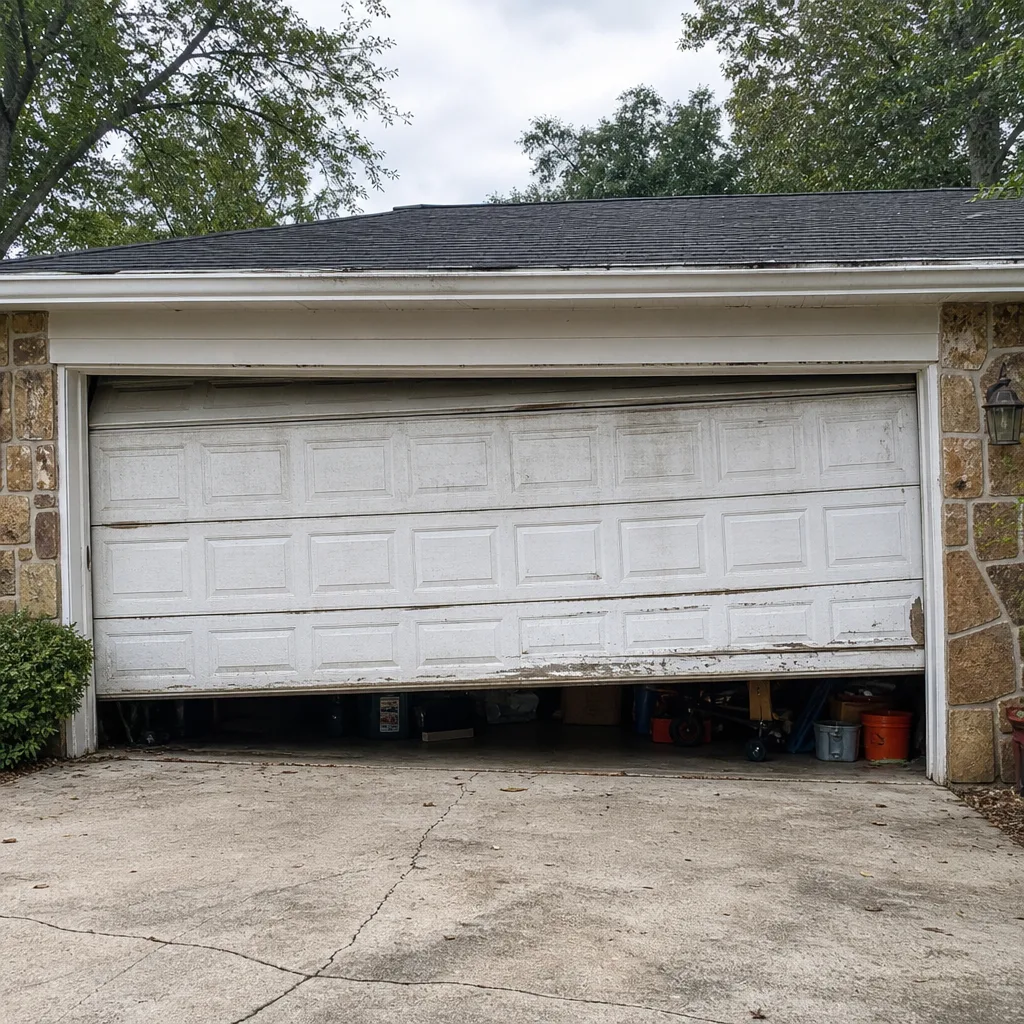 Before
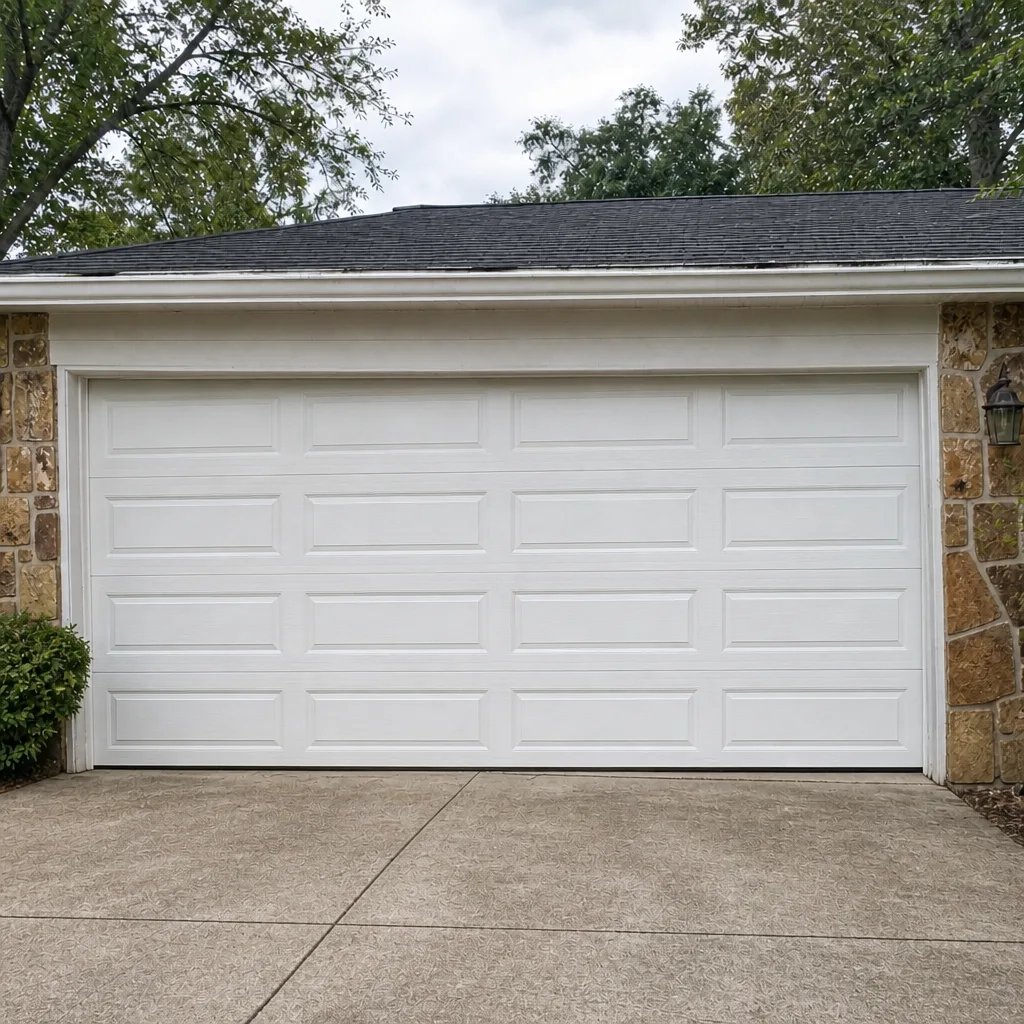 After
When to Call a Professional
Call a garage door specialist when the work involves springs, cables, the door assembly itself, or anything that has to pass an inspection. The permit, the product approval and the installation detail are one package. Splitting them across a few different providers is how permits end up open and doors end up out of code. Also call when the door has failed and you can’t lift it safely, when a spring lets go with a bang, when the door is off its track, or when the opener runs but the door doesn’t move. If you’re in the middle of a real estate transaction in South Tampa and need to know what’s actually on the house, that’s a call too.
Garage Door Repair South Tampa offers free estimates in South Tampa. Call (833) 696-2185. We answer 24/7. Fast dispatch from 7am to 7pm, Sunday through Friday. Our technicians have up to 12 years of experience, and we work on the brands already in South Tampa garages: LiftMaster openers, Raynor doors and the rest of the eight major brands we cover. For everyday repairs, see our full range of garage door repair work.
Frequently Asked Questions
Yes. A full garage door replacement in South Tampa requires a Hillsborough County permit and a passing wind-load inspection, because the door is part of the building envelope and has to carry a product approval for the local design wind speed. Simple component repairs like springs and rollers don’t need a permit. If you’re unsure which category your project falls into, call (833) 696-2185 and we’ll tell you. Estimates are free.
A garage door in South Tampa is required to be rated for the design wind speed used for envelope products in this wind zone, which is 150 mph. The door must carry a current Florida product approval that matches that rating and the exact configuration being installed, and the installation has to match the manufacturer’s listed anchor and reinforcement detail.
Hillsborough County sets the permit fee based on the valuation of the project. A typical residential garage door replacement usually lands in the low hundreds of dollars, but the actual number depends on scope and the county’s current fee schedule, and it’s shown on the permit itself. The written estimate for the job includes the permit cost, so you know what you’re paying before any work starts. Call (833) 696-2185 for a free estimate.
The permit stays open, or the installation records as if it never happened. That means the door isn’t documented against the code. If you’re selling the house, an open permit can hold up closing. If you’re filing an insurance claim tied to the door, the missing record can complicate the claim. The fix is a permit and an inspection of the door as installed, and often a correction of the anchoring or reinforcement to match the product approval.
Spring replacement, cable and roller replacement, hinge and bracket replacement, opener repair or replacement, seal and weatherstrip work, and panel replacement that matches the existing product approval generally don’t require a permit. Anything that alters the opening, changes the door size, or changes the rated assembly does. If your door needs a repair, call (833) 696-2185. We answer 24/7. Fast dispatch from 7am to 7pm, Sunday through Friday.
Request the permit record and the product approval documentation from the county and from the seller at closing, then match the approval number on the paperwork to the label on the door itself. If the door has no label and there’s no paperwork, a garage door specialist can usually identify the door and help trace the approval. When the approval doesn’t exist, plan on replacement with a door that carries the correct wind rating for South Tampa.
The Bottom Line
The permit and the inspection are the paperwork that proves your South Tampa garage door is actually built to survive the wind load it’s required to survive. Full replacement needs a permit and a passing inspection. Component repairs usually don’t. The product approval has to match the wind zone and the exact configuration, and the installation has to match the approval’s anchor and reinforcement detail. If you’re buying a home, ask for the record. If you’re replacing a door, ask for the garage door installation to be handled by a specialist who installs to the approval and closes the permit with a passed inspection. And if the spring has let go or the door won’t move, don’t force it. Call (833) 696-2185. We answer 24/7. Fast dispatch from 7am to 7pm, Sunday through Friday. Estimates are free, and the price is quoted and agreed before any work starts.
Written by the team at Garage Door Repair South Tampa.