
Last updated November 22, 2026
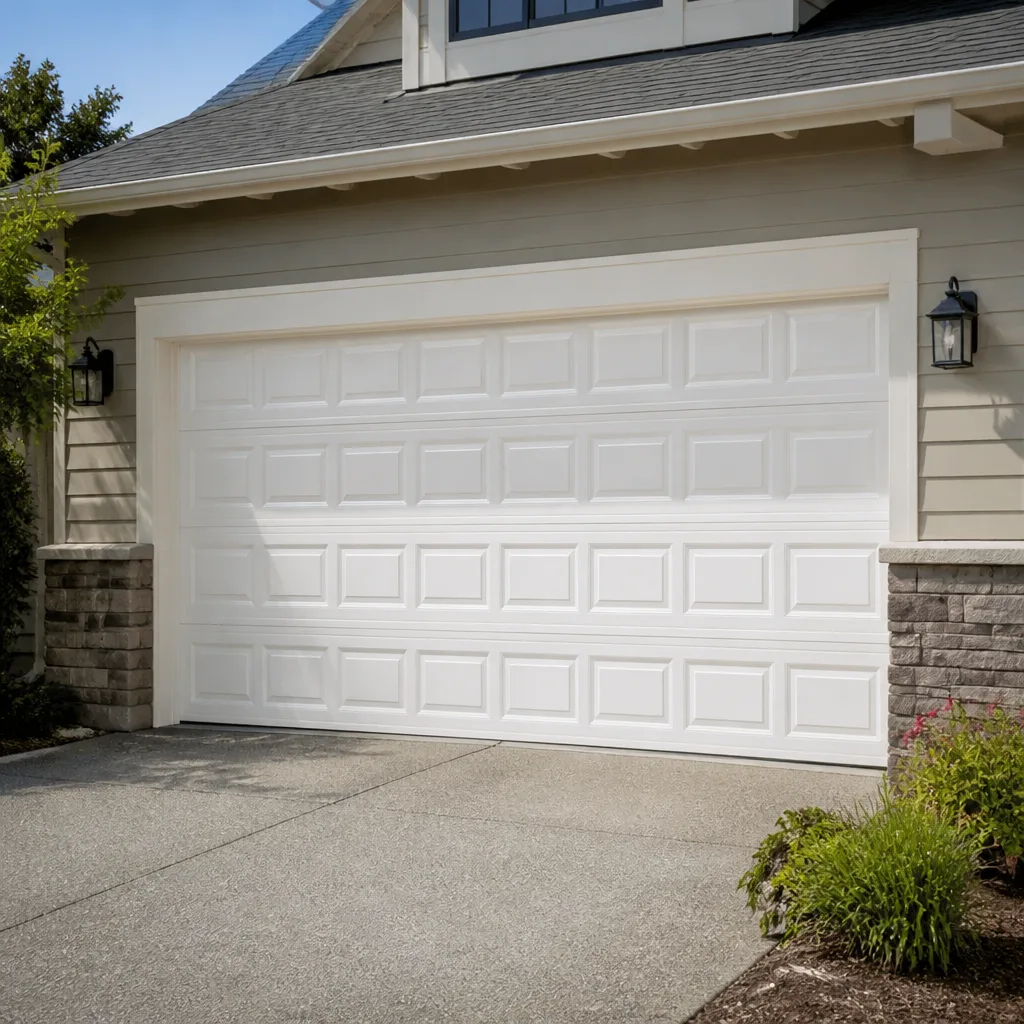 Raised-panel steel
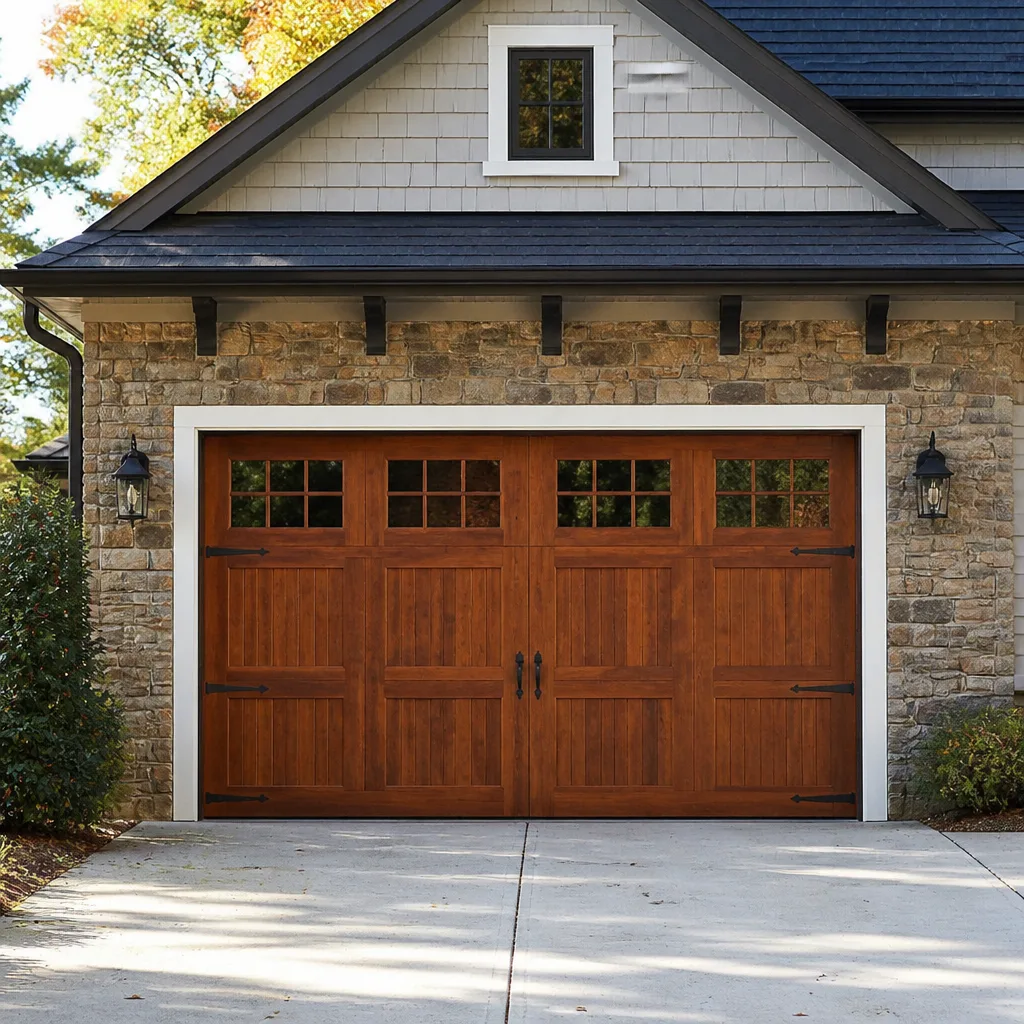 Carriage house
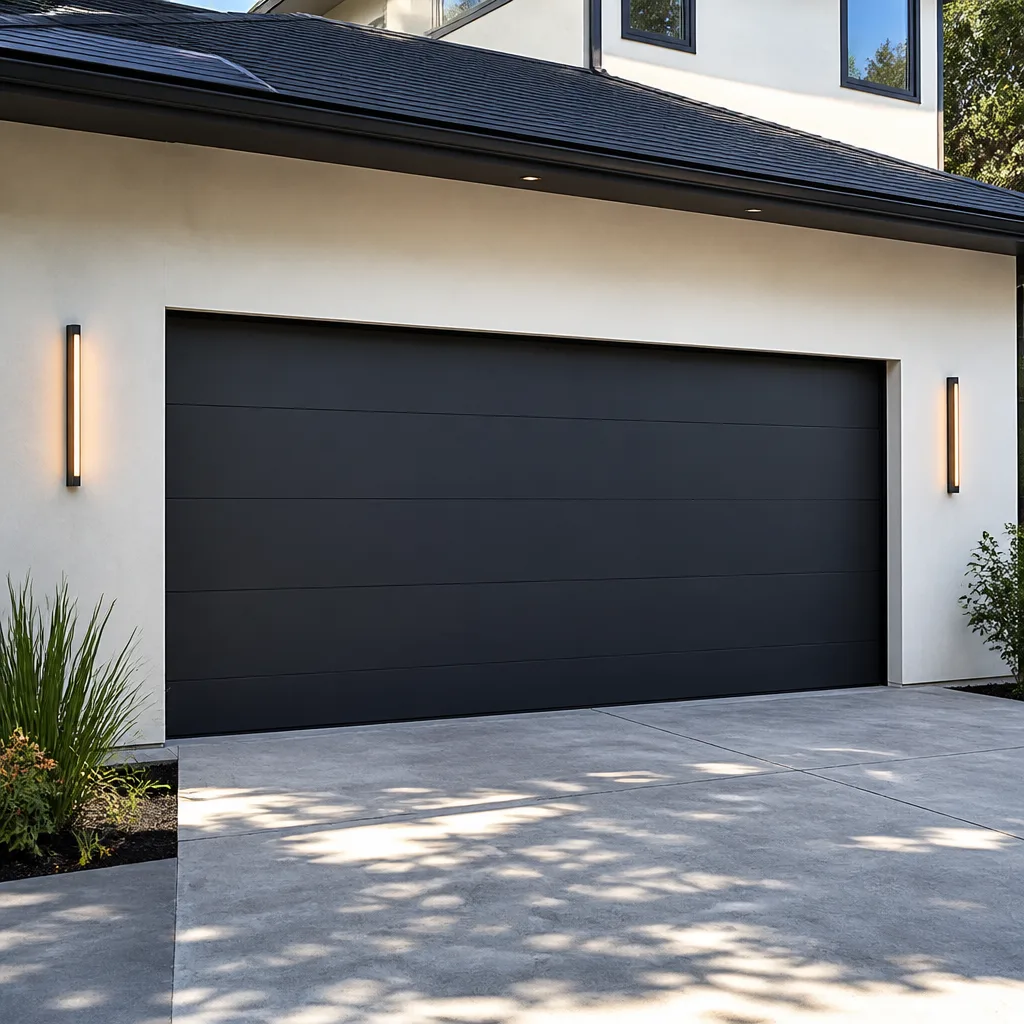 Modern flush
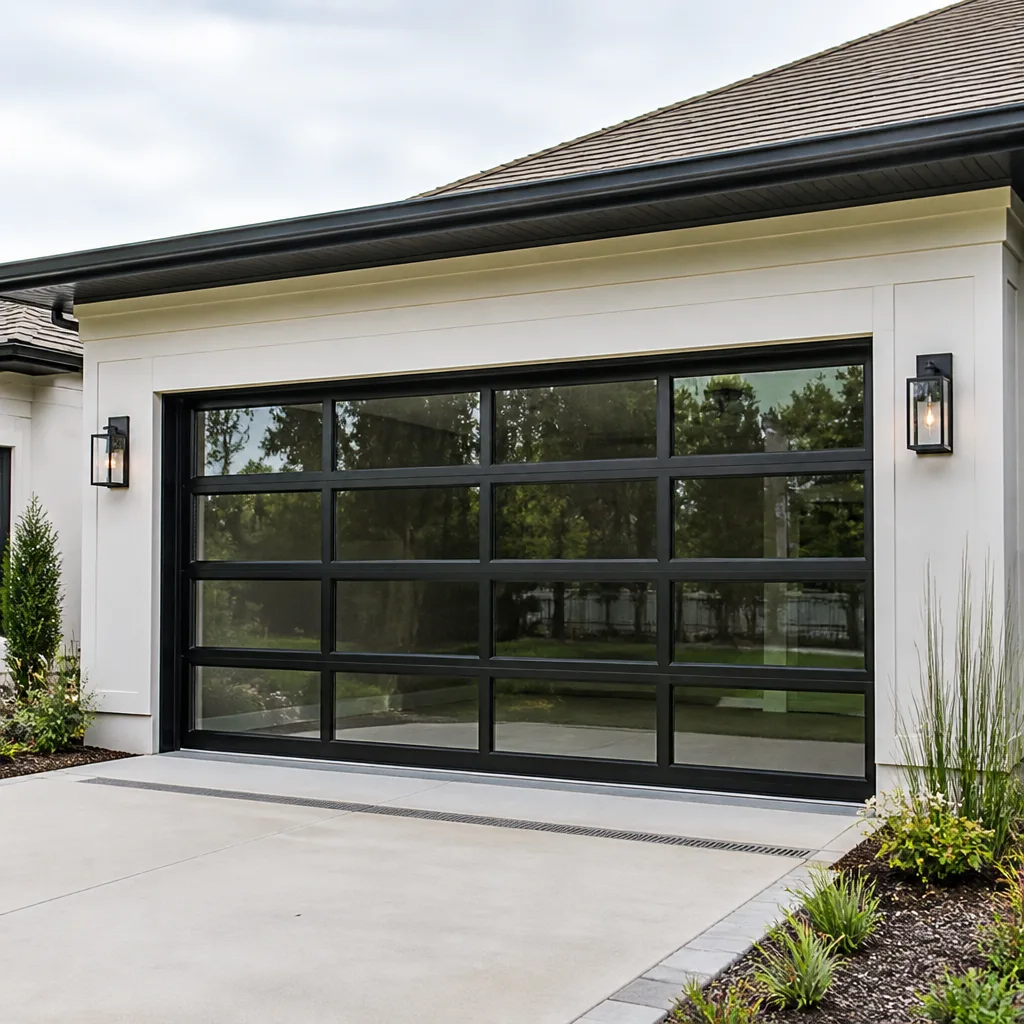 Full-view glass
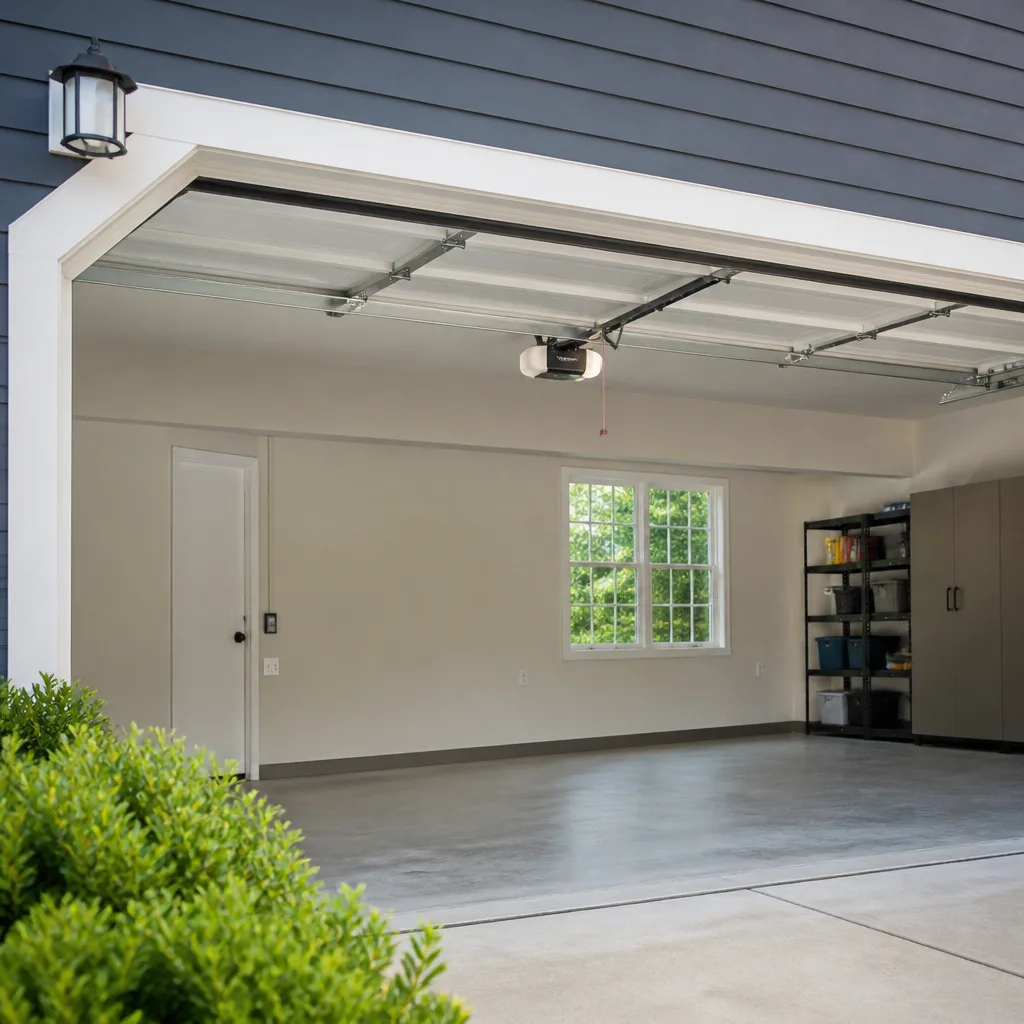 LiftMaster openers
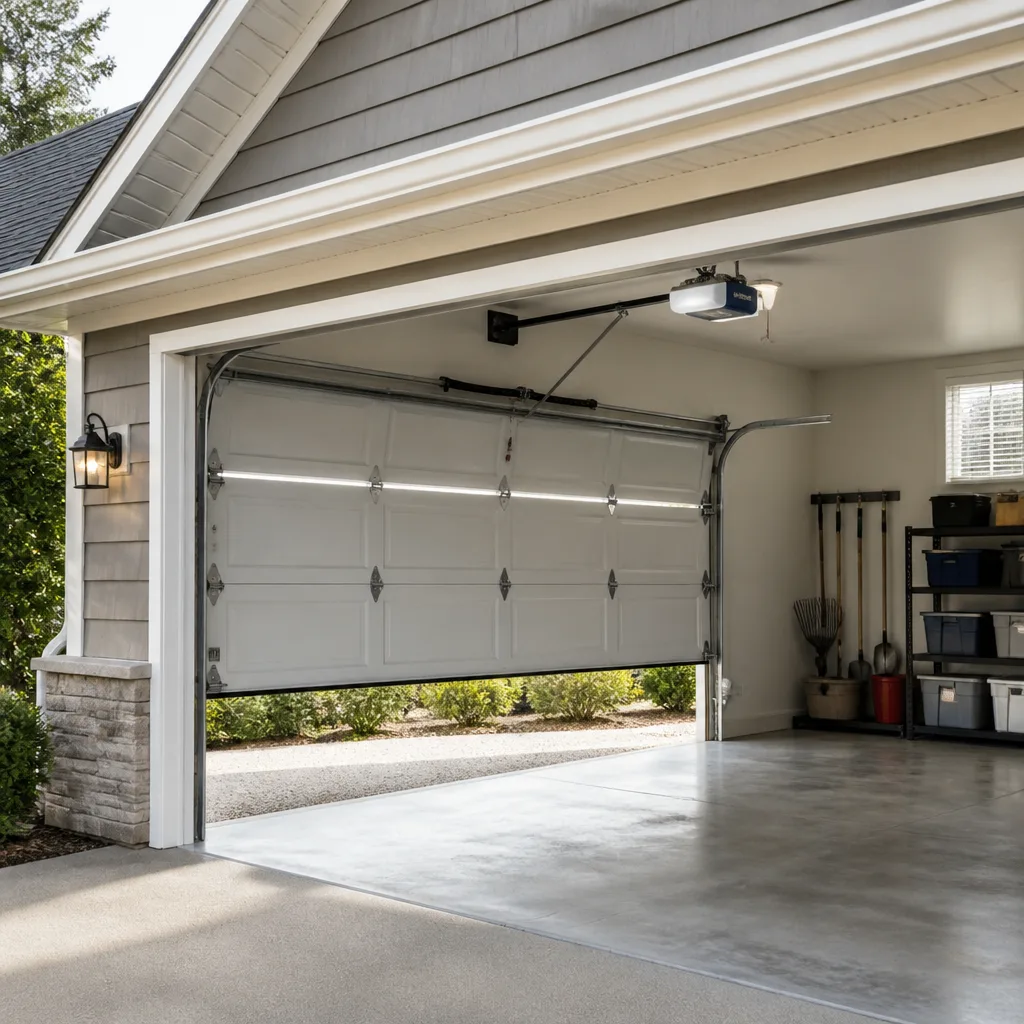 Chamberlain openers
Full 25-point door and opener safety check with every visit - springs, cables, rollers, tracks, and your LiftMaster or Chamberlain opener included
You get a price before we start. It does not change when the pro arrives.
Get your free estimateGarage Door Repair Maintenance Checklist for South Tampa Homeowners
The most common reason a South Tampa garage door fails before its seventh birthday isn’t a lack of lubrication. It’s skipped hardware inspection, the part of maintenance almost nobody does. Torsion spring coils rust from the inside out, and the first sign is a thin orange bloom near the end plates that most homeowners wipe away and forget. Catch it early and you’re dealing with a cleaning and coating job. Miss it and you’re calling us with a snapped spring and a car trapped inside. This guide covers what to check, how often, and what actually counts as a pass or a fail in Tampa Bay’s humidity-heavy air.
Quick Answer
A garage door maintenance checklist for South Tampa means inspecting springs, cables, rollers, hinges, and tracks monthly, lubricating moving metal quarterly with a silicone-based spray (not WD-40), and booking a professional torsion spring and cable drum inspection annually. Coastal humidity makes corrosion the leading failure cause here, so hardware inspection matters more than lubrication. Auto-reverse and photo-eye safety tests should be run every month and usually take under five minutes.
Styles & brands we work with
- Raised-panel steel
- Carriage house
- Modern flush
- Full-view glass
- LiftMaster openers
- Chamberlain openers
Table of Contents
- Monthly Checklist: Safety Tests Every South Tampa Home Should Run
- Quarterly Checklist: Lubrication and Moving Parts
- Annual Checklist: Professional Spring and Cable Inspection
- Corrosion Inspection Protocol for Tampa Bay Humidity
- Which Lubricant to Use in High-Humidity Air
- How to Test Auto-Reverse and Photo-Eye Alignment
- The Two Most Expensive Failures and How Maintenance Prevents Them
- Common Mistakes to Avoid
Monthly Checklist: Safety Tests Every South Tampa Home Should Run
A monthly check takes ten minutes and catches the failures that cause the most expensive call-outs. Do these on a closed door with nothing in the path, then repeat with the door open. South Tampa homes that sit near standing water after summer storms need this routine more than most, because humidity does quiet work on every moving metal part between spring and threshold.
Run these five checks once a month:
- Photo-eye alignment. Look at the two small lenses at the base of the tracks. Both should have a steady light (one solid, one blinking on most modern openers). If either is dark or flickering, wipe the lens with a dry cloth and check for cobwebs or debris. Still off after cleaning means a wiring or aim issue.
- Auto-reverse on contact. Place a 2×4 flat on the floor under the closing door. The door should reverse within roughly two seconds of touching it. If it presses down and stops, the force setting is wrong.
- Photo-eye obstruction test. With the door closing, wave a broom handle through the beam. The door should reverse immediately. Failure here is a common cause of mystery no-close issues on LiftMaster and Craftsman openers.
- Balance test. Pull the manual release with the door about halfway up. A balanced door stays put. A door that drops fast or rises on its own has a spring or cable problem developing.
- Visual hardware scan. Look at the torsion spring coils, cable drums, and the bottom brackets. Any orange or white powder deposits are the earliest sign of corrosion.
If any test fails, don’t wait. A door that fails the reverse test is a liability, and a door that fails the balance test has a spring under stress that could snap next week. If the underlying issue is mechanical rather than electronic, our Garage Door Repair South Tampa team can put eyes on it quickly.
Quarterly Checklist: Lubrication and Moving Parts
Every three months, spend twenty minutes on the moving parts and the door will stay quiet and true. South Tampa’s humidity means metal gets a thin film of moisture on cool mornings that most inland climates never produce, so quarterly attention is the right cadence here rather than the twice-a-year schedule you’ll see in guides written for dry states.
The quarterly routine:
- Rollers. Nylon rollers need a light silicone spray on the stem, not the wheel face. Steel rollers get a drop of white lithium grease on the bearing. Worn rollers that wobble or grind get replaced rather than greased.
- Hinges. One short spray per hinge pivot point. Wipe off any excess so dust doesn’t collect and turn into grinding paste.
- Torsion spring coils. A light mist of silicone spray along the length of the spring, then work the door up and down twice to distribute it. This is the single highest-value lubricant step on the whole door.
- Cables. A thin coat of light oil where the cable passes over the drum and around the bottom bracket. Never touch a cable under tension – just look and coat.
- Track wiping. Wipe the inside of each vertical and horizontal track with a dry rag. Never lubricate the track itself: grease on tracks attracts grit that wears rollers fast.
- Weather seal check. The rubber bottom seal should not have cracks, gaps, or a flattened lip. Florida sun degrades it faster than northern climates, so expect replacement more often.
- Opener chain or belt. Chain drives get a light wipe with a rag and a spray of silicone. Belts should be checked for fraying but don’t need lubrication.
If the opener is making new noises, that’s usually an opener issue rather than a door issue. Our garage door opener repair service handles Genie, LiftMaster, and Chamberlain units directly.
Annual Checklist: Professional Spring and Cable Inspection
Once a year, have a trained technician inspect and measure the torsion spring and cable drums. A trained eye can measure coil wear and predict failure within a window of weeks rather than months, and that lets you replace a spring on a scheduled visit instead of an emergency one. This single annual appointment prevents the majority of the emergency calls we handle in South Tampa.
What an annual professional visit should cover:
- Spring cycle count and coil wear. Measuring wire diameter, coil gap, and end-plate stress tells a technician how much life remains. Worn wire looks fine from six feet away but reads clearly under a close inspection.
- Cable drum wear. Cable drums wear on the inside edge where nobody looks. Grooves, frayed cable strands, or slack on one side mean a problem with the drum, the cable, or both.
- Bearing plate play. A properly seated center bearing has zero play. Any wobble means replacement before it scores the shaft.
- Fastener torque. Every lag screw and hinge bolt gets checked. Vibration loosens hardware over years, and a single missing bolt can drop a hinge and bind the door mid-travel.
- Track alignment and pitch. Both tracks should sit parallel and level. A door that’s off a quarter inch on one side will wear rollers and cables faster than any other fault.
- Opener travel and force settings. Force limits get re-checked against the current door weight. A door that’s heavier than its opener expects strains the opener motor and shortens its life.
This is where a garage-door-only professional saves you real money. A general handyman may not know how to read spring wire wear, and a replacement recommendation gets expensive fast. When the fix is a part rather than a whole new door, our garage door repair service handles spring and cable replacement with the correct matched component for your door’s weight and drum size.
Corrosion Inspection Protocol for Tampa Bay Humidity
Coastal Florida air pushes a thin moisture film onto every unpainted metal part overnight and leaves salt and minerals behind when it evaporates. Over years, that’s the difference between a spring that runs its full cycle life and one that breaks early. A checklist built for a dry climate tells you to lubricate; a checklist built for South Tampa tells you to inspect for corrosion first, then lubricate. Skip the inspection and lubrication just coats over the damage.
Inspect these components in this order, every few months:
- Torsion spring coils first. Look at the wire between coils, especially near the end plates where stress concentrates. Early-stage corrosion looks like a fine orange or white powder bloom on the wire surface. Cosmetic surface oxidation is a dull haze that wipes clean with a dry rag. True corrosion pits the metal, and that’s a replace-now signal.
- End plates and center bearing bracket second. Any bubbling under paint means corrosion is already working beneath. Scrub with a stiff brush and apply a light coat of silicone spray or a rust-inhibiting paint.
- Cable drums third. Look at the groove where the cable winds. Pitting or white powder in the groove means cable abrasion and drum wear.
- Bottom brackets and hinge pivots fourth. Any orange streaks spreading from a pivot point mean the hinge is stiffening up. Clean and re-lubricate; if powder won’t clear, replace the hinge.
- Track rollers fifth. Steel rollers with visible rust on the wheel face are dragging. Nylon or sealed-bearing rollers outlast steel in this climate by a wide margin.
Homes in areas like Palma Ceia, Hyde Park, and Bayshore Gardens see the moisture most days of summer and a warm humid air mass every evening. A Wayne Dalton or Raynor door installed in those neighborhoods gets more corrosion pressure in one summer than an equivalent door would see in three years in a drier state.
Which Lubricant to Use in High-Humidity Air
Standard WD-40 is the wrong lubricant for a garage door in South Tampa. It’s a water-displacing solvent spray, not a long-life lubricant, and in high humidity it evaporates off the moving parts within days, leaving the metal bare just when the moisture is at its worst. Every guide that says “spray WD-40 on the door” was written for someone in Arizona.
Use these instead:
- Silicone-based spray lubricant. The default choice for torsion springs, hinges, and roller stems. It stays put, doesn’t attract grit, and doesn’t break down in warm damp air.
- White lithium grease. Good for steel roller bearings, the opener rail on screw-drive units, and cable drums. A small amount goes a long way.
- Light machine oil. Use on cables and pulleys where a drip feed is better than a spray. Apply with a rag rather than spraying.
- Dry PTFE spray. A good option for nylon roller axles and hinge pivots where you want a film that won’t collect dust.
What not to use:
- Standard WD-40 or penetrating oils as a persistent lubricant.
- Any grease on the tracks. Ever.
- Heavy axle grease on torsion springs. It collects dust and turns into a grinding paste.
- Cooking spray or motor oil. Both are outdated shortcuts that attract grit and go rancid.
A brand-name opener such as a LiftMaster or Craftsman unit doesn’t care which lubricant you choose, but the door hardware does. Getting the lubricant right is one of the cheapest maintenance habits you can build.
How to Test Auto-Reverse and Photo-Eye Alignment
The reverse-on-contact and photo-eye systems are the safety features that keep children, pets, and cars safe. Under the UL 325 safety standard that governs residential openers in the U.S., a closing door must reverse when it meets roughly 15 pounds of resistance, and the photo-eye must be aimed so its beam is unbroken across the opening. Testing both takes a few minutes and needs no special tools.
Test reverse-on-contact in four steps:
- Open the door fully, then close it with the wall switch or remote.
- While it’s closing, lay a 2×4 flat on the floor directly under the door path.
- The door should contact the board and reverse to fully open within about two seconds. If it stops on the board or keeps pressing down, the force setting is too high.
- Repeat with the door starting from different heights, since force problems sometimes show up only in certain door positions.
Test photo-eye alignment in four steps:
- Look at both photo-eye lenses at the base of the tracks. Count the light status: one steady, one blinking is normal on most openers.
- Pass a broom handle slowly through the beam while the door is closing.
- The door should reverse instantly, not hesitate or finish closing first.
- If the door won’t close at all with the button pressed, the beam is misaligned or blocked. Wipe both lenses and check for spider webs, sun glare, or a shifted bracket.
Photo-eye misalignment is the single most common “opener won’t close” call we take. It’s almost always a bumped bracket, a spider web, or sun hitting the receiver at a low angle. If you can’t trace it after fifteen minutes, our garage door opener repair team can test the full opener wiring and reverse settings on site.
The Two Most Expensive Failures and How Maintenance Prevents Them
Two failures account for the vast majority of emergency garage door calls: a broken torsion spring and a worn cable drum. Both fail slowly and visibly to a trained eye. Both are preventable through the checklist. And in South Tampa’s humid air, both fail faster when corrosion is running unchecked on the metal surfaces that nobody looks at.
Spring breaks. Torsion and extension springs are under constant tension, cycling several times a day for years. Corrosion pits the wire, stress concentrates at the pitting, and eventually the wire snaps. A spring break is loud, sudden, and dangerous: it releases stored energy instantly and can damage the door, the opener, or a person standing nearby. Prevention works in three ways. First, quarterly silicone spray protects the wire from moisture. Second, the annual visual inspection catches pitting before the break. Third, running the balance test each month tells you if the spring is losing tension evenly. Our spring repair is one of the core services we handle, and we work with both torsion and extension systems on the doors that dominate Tampa neighborhoods. Our technicians have up to 12 years of experience, and spring work is one of the tasks where that experience matters most.
Cable drum wear. The cable drums sit on either end of the torsion shaft and wind the cables as the door opens. They wear on the inside edge where the cable rides, and a slightly worn drum abrades the cable with every cycle. In high humidity the drum itself can corrode; in a drier climate it takes much longer. Prevention is subtler: check drum wear on the annual visit, keep the drum greased lightly with white lithium, and replace the drum whenever a cable is replaced rather than reusing the old one. When you need the exact drum, spring, or bracket for the door you already have, we supply individual parts directly so you’re not forced into a replacement door for a $40 component that failed.
Common Mistakes to Avoid
- Spraying WD-40 on the torsion spring and calling it maintenance. It displaces water for a day and then evaporates, leaving the wire dry again. Use a silicone-based lubricant instead and reapply every quarter.
- Lubricating the tracks. Grease on the tracks collects grit and grinds the rollers. Wipe tracks dry and clean them; never add lubricant.
- Ignoring a small rust bloom near the spring end plate. In South Tampa’s humidity, “small” rust spots become pitted wire in a season or two. Clean and coat early, and you’re done. Wait too long and you’re looking at a full spring replacement.
- Adjusting the force setting higher to make a dragging door close. A door that needs more force to close has a balance, roller, or spring problem. Raising the force limit wears the opener motor and defeats the reverse safety feature.
- Trying to adjust or replace a torsion spring without professional tools. The winding bars, the spring tension, and the risk to wrists and fingers are all real. There’s a reason every technician is cautious around torsion work.
- Scraping off rust on a torsion cable or drum and reusing the part. Rust on a cable means hidden strand failure. A drum with pitting will chew the new cable. Replace both.
- Skipping the annual visit because “it’s been working fine.” The failures that matter are the ones you can’t feel from the driver’s seat. A trained technician catches the cracked hinge, the frayed cable, and the worn drum before they cost you a Sunday afternoon.
See the difference
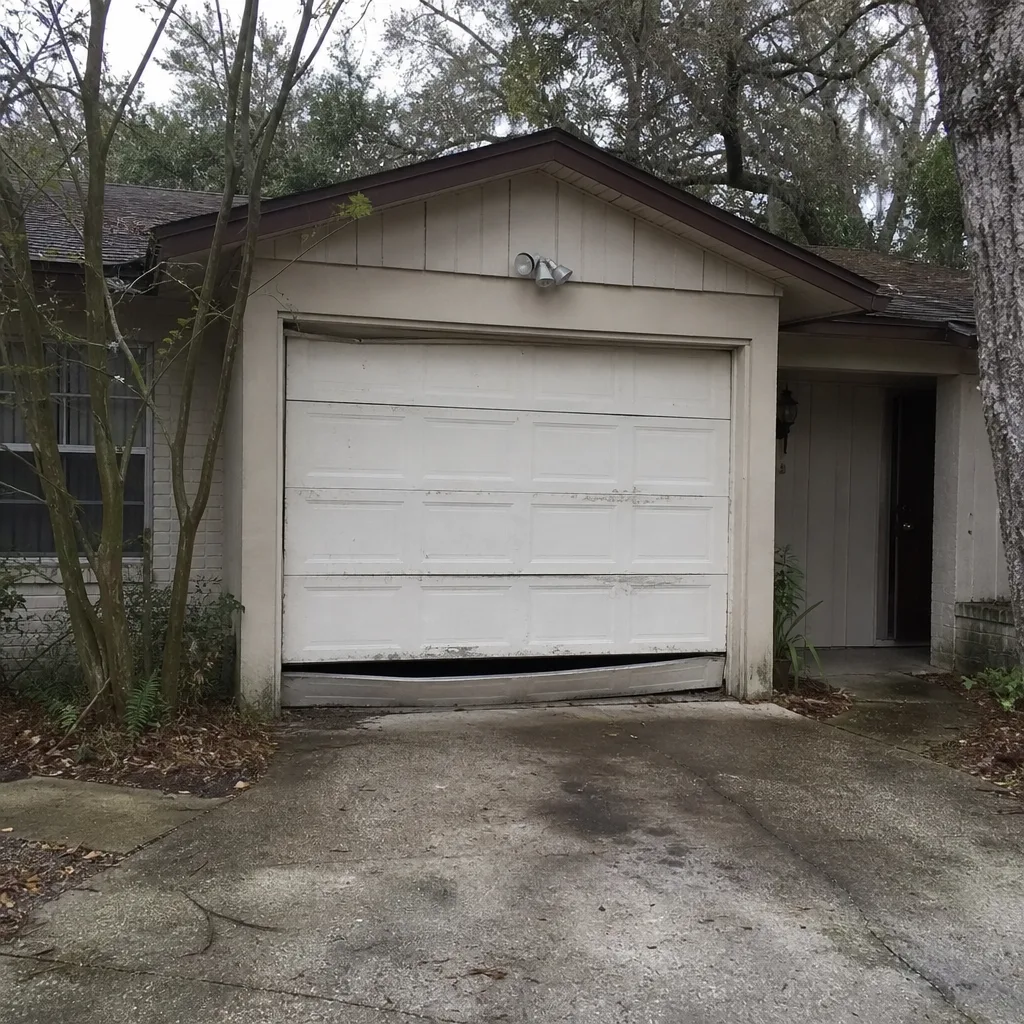 Before
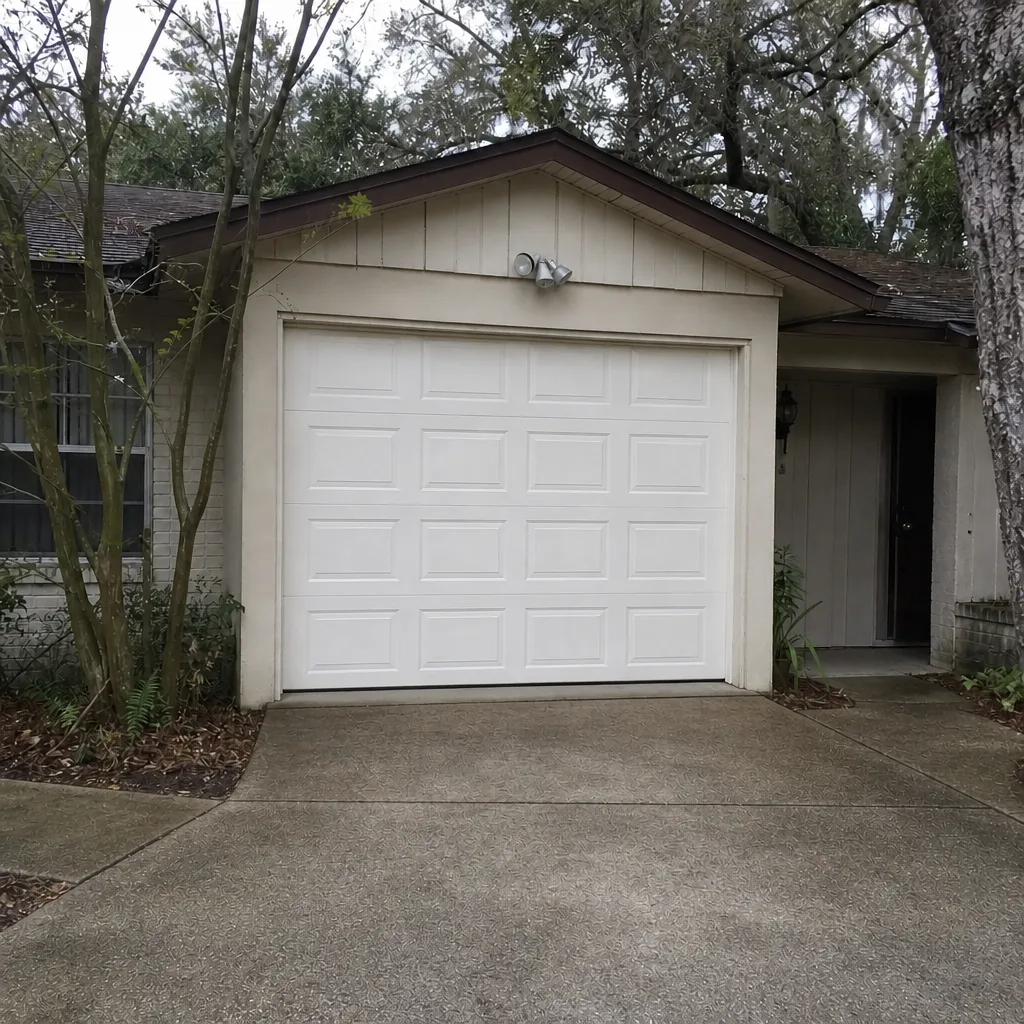 After
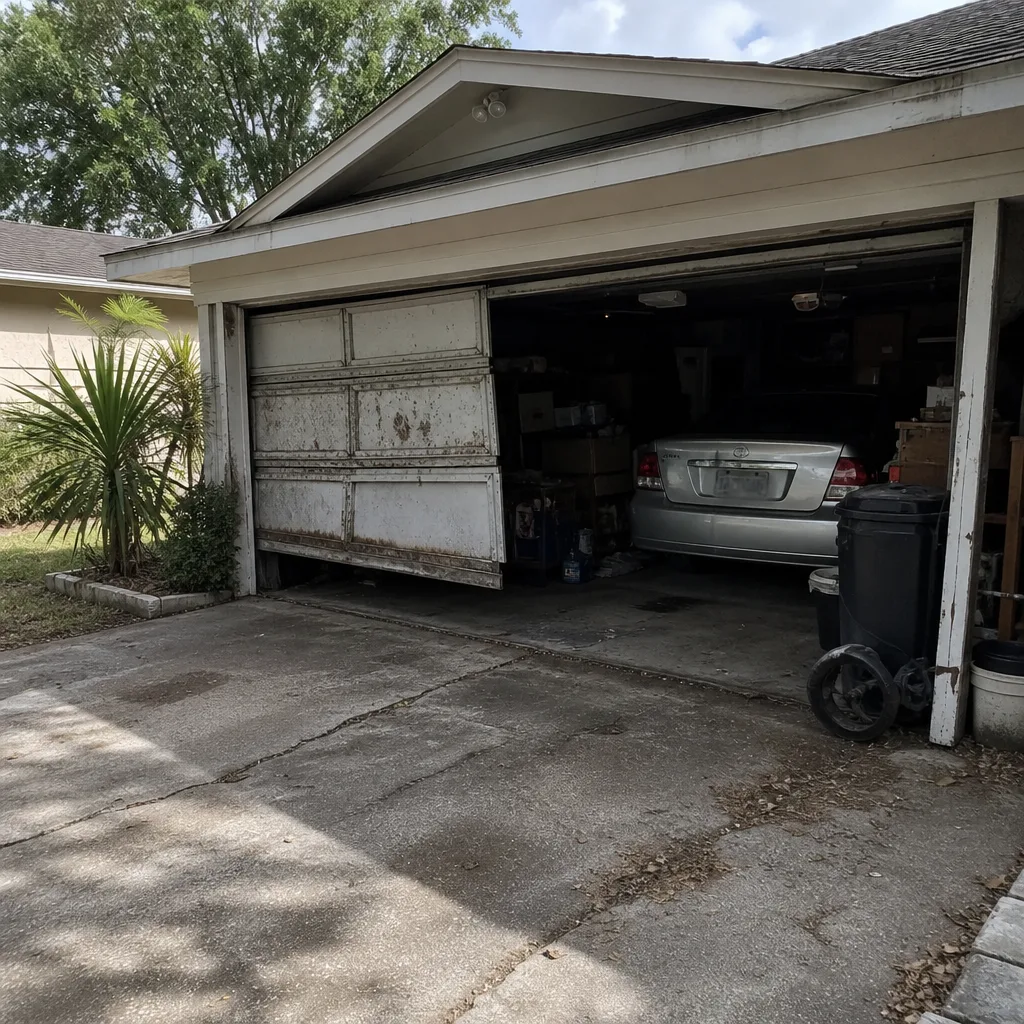 Before
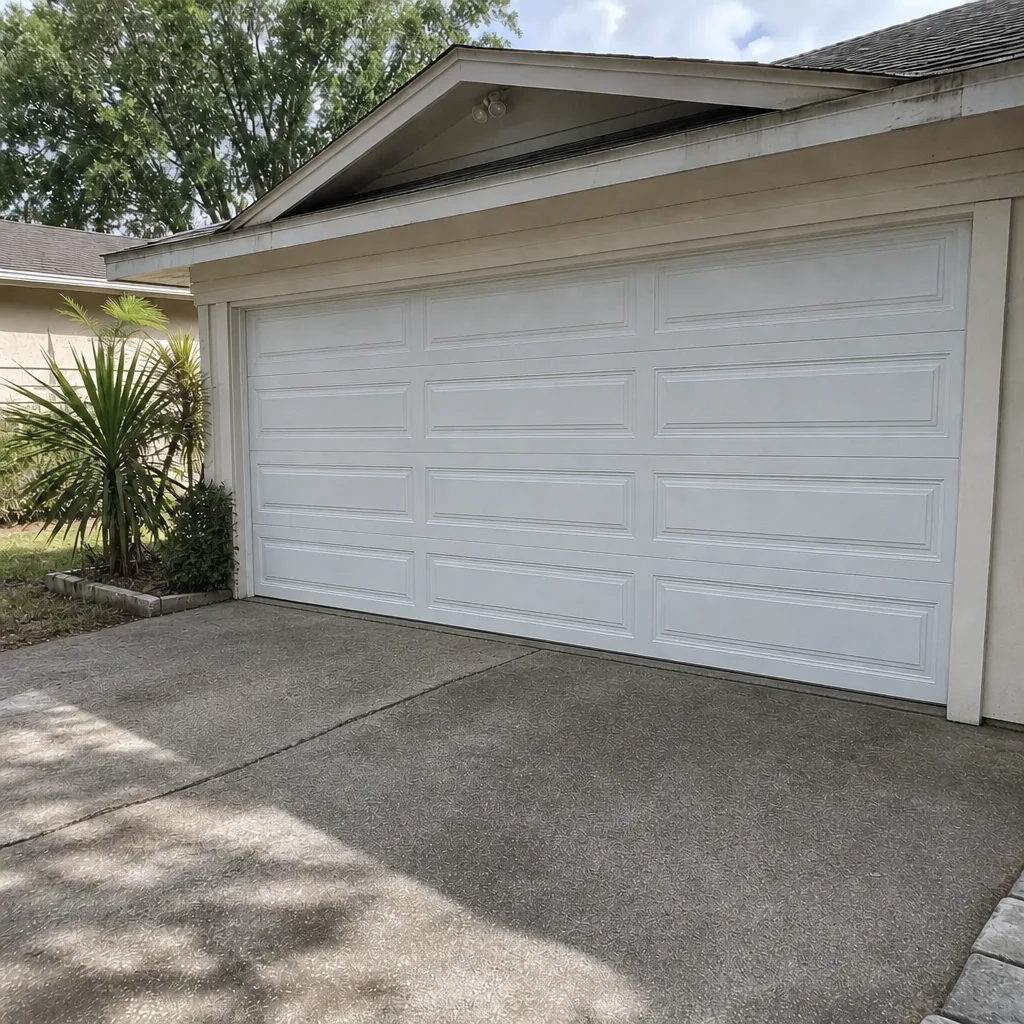 After
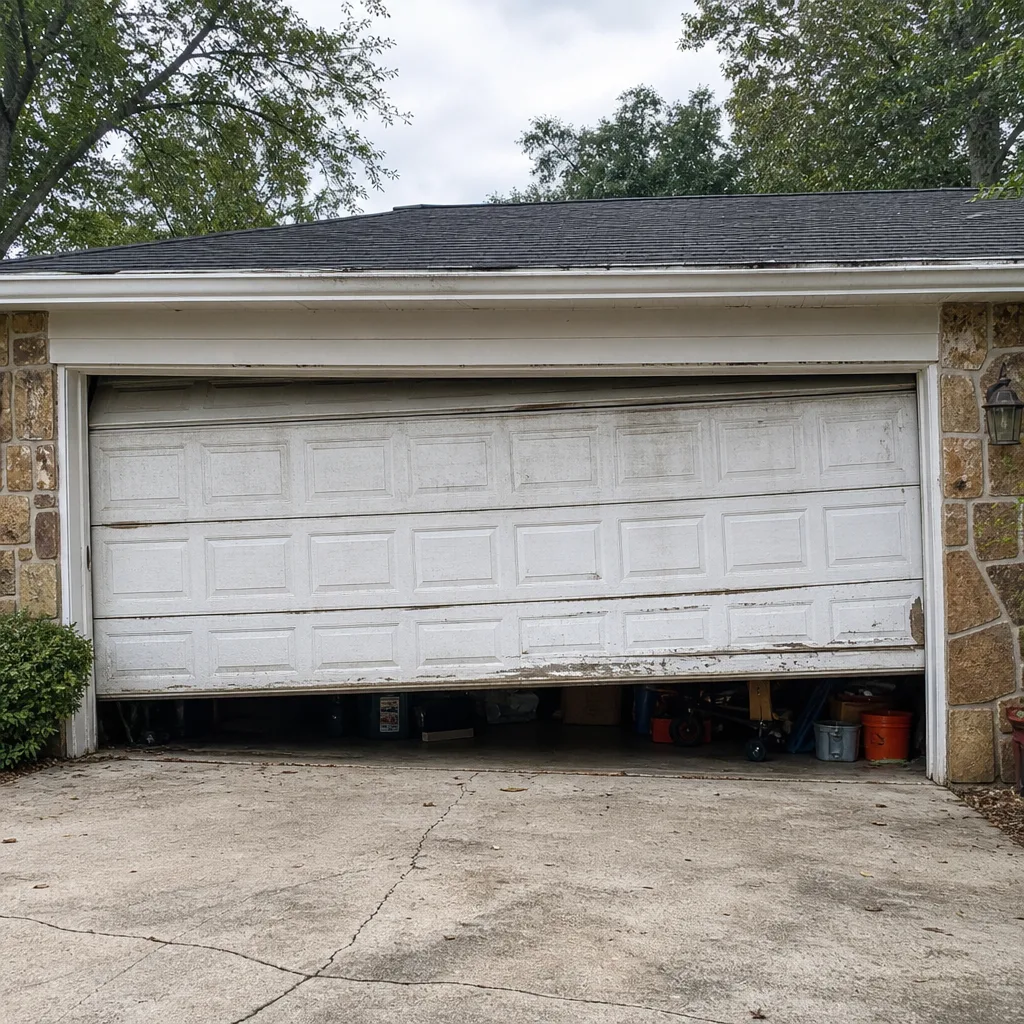 Before
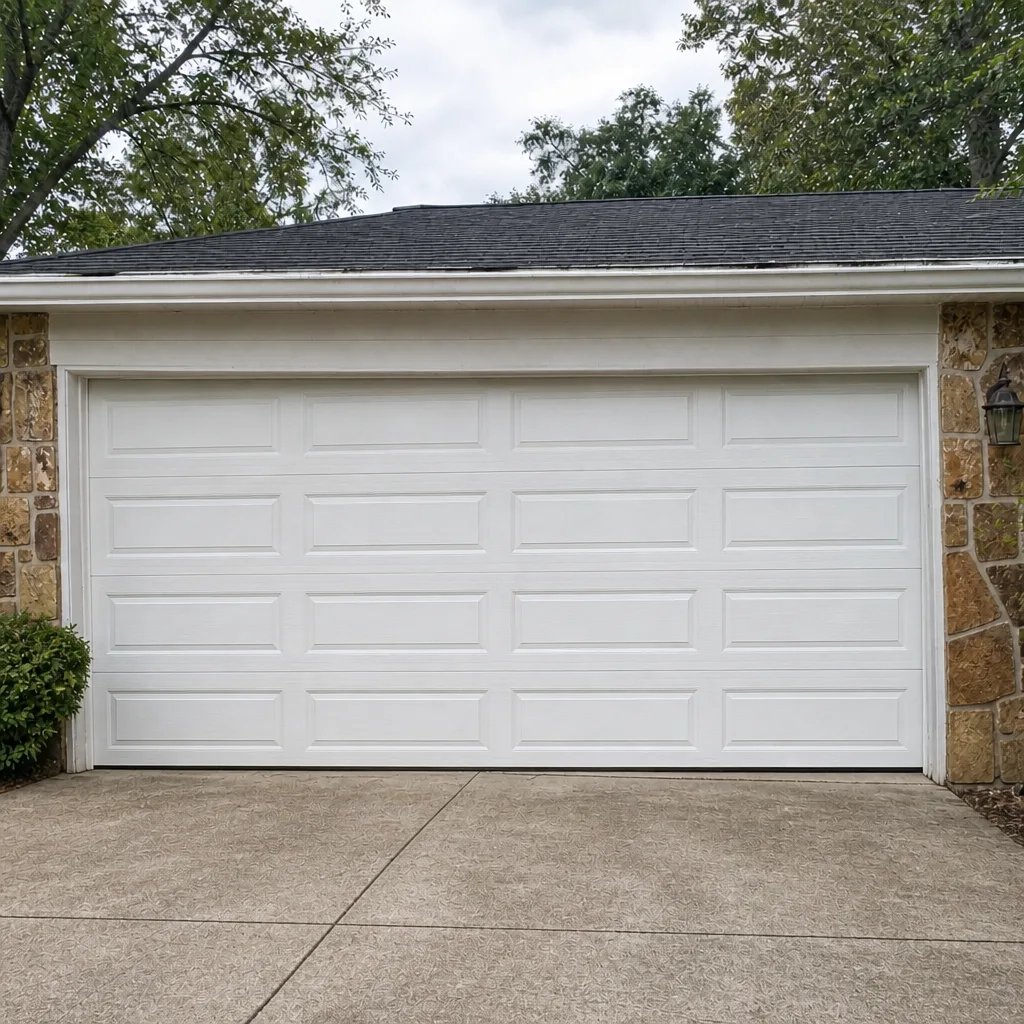 After
When to Call a Professional
Call us when the door won’t reverse on contact, when the balance test shows the door falling or rising on its own, or when you can see rust pitting rather than surface haze on the torsion spring coils. Call when the opener won’t close only sometimes – intermittent means a photo-eye, wiring, or opener control board issue that needs a meter and a trained eye. Call when a cable looks slack, kinked, or frayed, and call the moment a spring snaps. A snapped torsion spring leaves the door extremely heavy and should never be operated until it’s repaired. Our team at Garage Door Repair South Tampa offers free estimates in South Tampa – call (833) 696-2185 to book a maintenance visit or a repair.
Frequently Asked Questions
Every three months with a silicone-based spray, touching the torsion spring, hinges, and roller stems. Humidity here strips lubricant faster than in dry climates, so a quarterly cadence keeps metal covered, while twice-a-year is fine for most inland areas of the country. Call (833) 696-2185 if you’d rather leave it to a technician on an annual visit.
Early-stage rust on a torsion spring looks like a thin orange or white powder bloom on the wire surface, especially near the end plates. Cosmetic surface oxidation is a dull haze that wipes off with a dry rag, while true corrosion pits the metal and doesn’t wipe clean. If you can feel roughness under your fingertip, that’s the point to call (833) 696-2185 for a professional inspection.
No. Torsion springs store enough energy to break bones when they release, and the winding process requires specific bars and a trained hand. This is one of the tasks that should always go to a professional. If you’re in South Tampa and the spring has already broken, don’t run the opener – call (833) 696-2185 and we’ll dispatch a technician with the right tools.
Almost always a photo-eye or force sensor issue, not a mechanical problem. Start by wiping both photo-eye lenses and checking that neither has shifted out of alignment. If the eyes look clean and aimed, the force setting on the opener may be set wrong. Our crew can test the full opener safety circuit on site – call (833) 696-2185 for a free estimate.
Roughly 15 pounds of resistance on a closing door, per the UL 325 standard that governs residential openers. Testing with a 2×4 laid flat on the floor is the practical way to check it: the door should contact the board and reverse within about two seconds. If yours doesn’t, call (833) 696-2185 – a slow or non-existent reverse is a safety problem worth fixing today.
Yes, corrosion-driven failures like spring breaks and cable drum wear happen faster in Tampa Bay’s humidity than in drier climates, assuming metal parts aren’t kept lubricated and inspected. The checklist in this guide is built around that reality, so a South Tampa homeowner who follows it gets more years out of the same door than a homeowner who skips the corrosion step. Call (833) 696-2185 for a free estimate if your last inspection was more than a year ago.
The Bottom Line
South Tampa garage doors don’t fail from lack of use; they fail from invisible corrosion on the hardware that never gets inspected. Monthly safety tests catch the small issues, quarterly lubrication in the right kind of spray protects the metal, and an annual professional visit reads spring and cable wear before it turns into a snap. Skip the annual and you’re paying for the emergency. Do the checklist and the door lasts. Our full service line-up – repair, opener repair, installation, spring repair, and parts supply – exists so one call covers the whole door, from a $40 drum to a fresh door. If you’re ready to schedule or just want a professional eye on the door, call (833) 696-2185. We answer 24/7, fast dispatch from 7am to 7pm, Sunday through Friday, and estimates are free. Our team at Garage Door Repair South Tampa offers free estimates in South Tampa, and we’ll get you back on the road with the right part, not the nearest substitute.
Written by the team at Garage Door Repair South Tampa.