
Last updated November 22, 2026
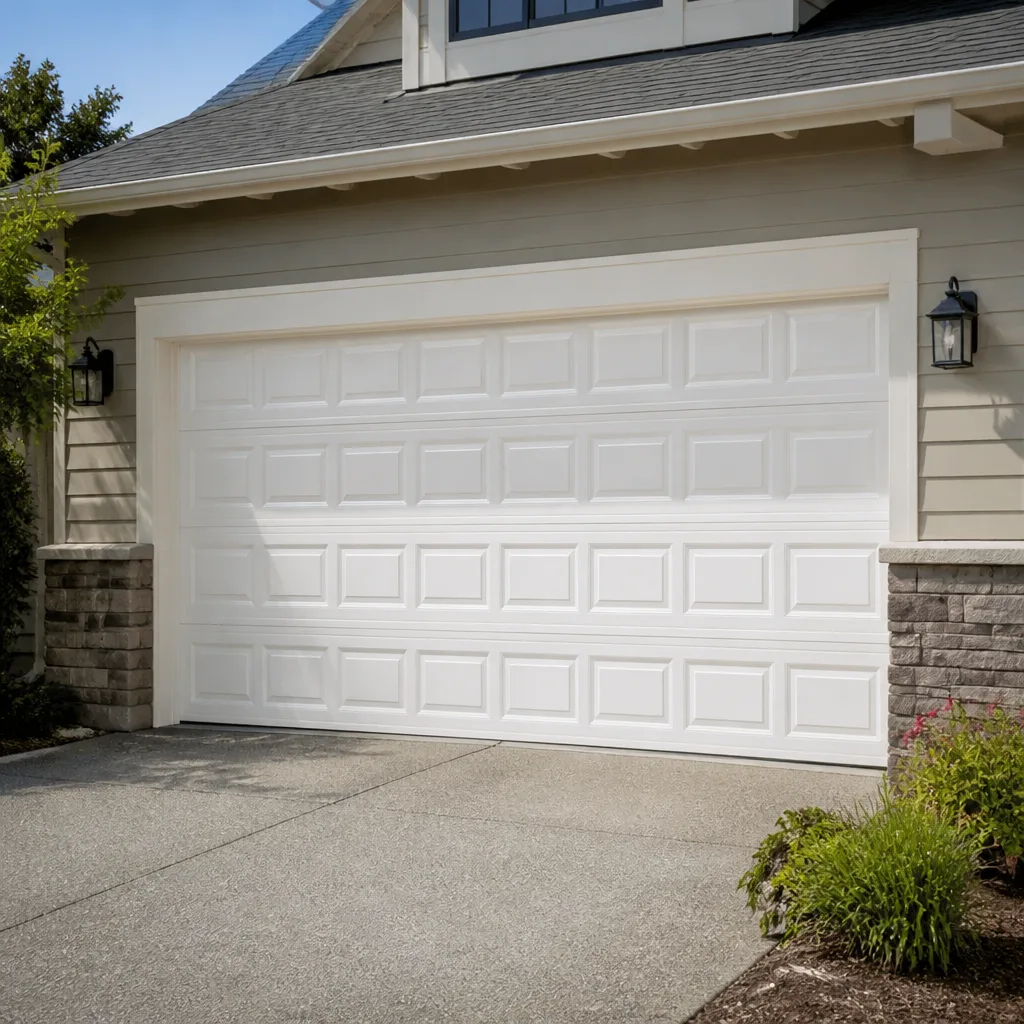 Raised-panel steel
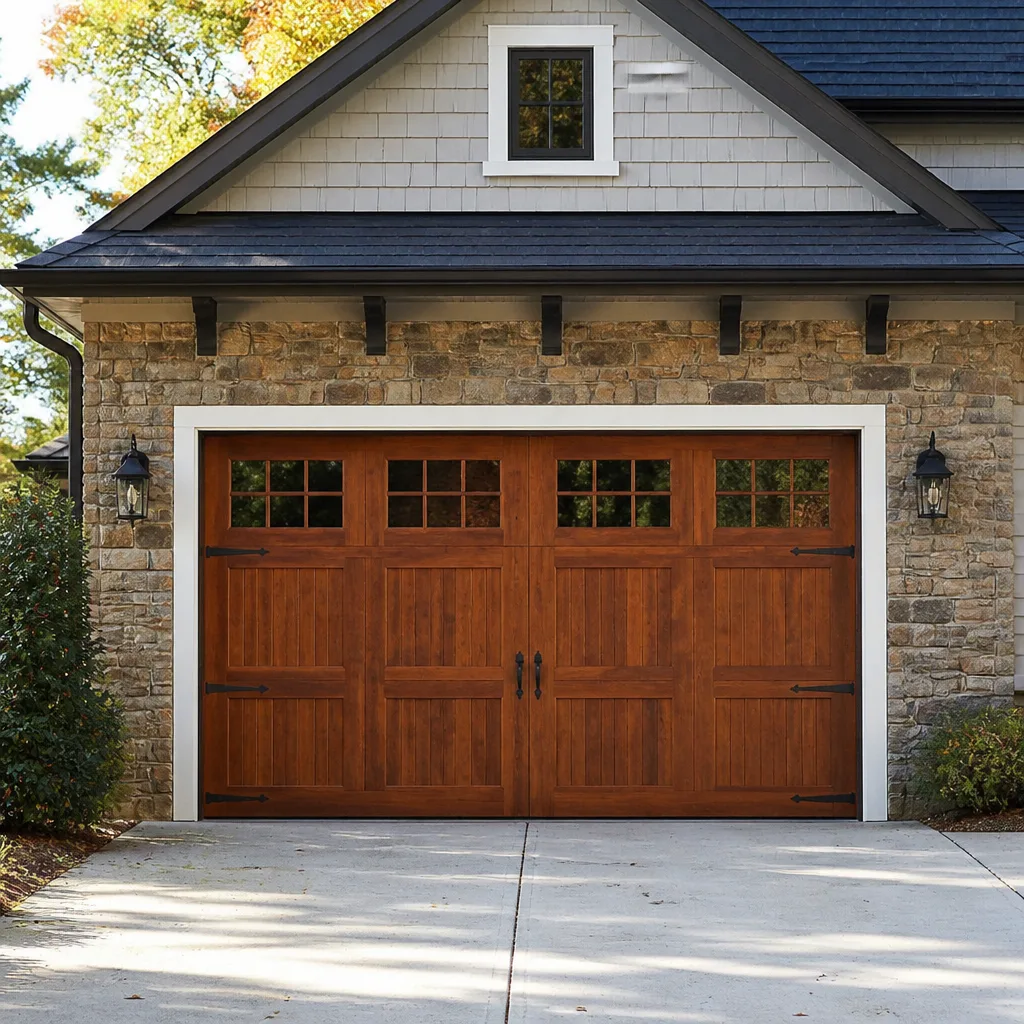 Carriage house
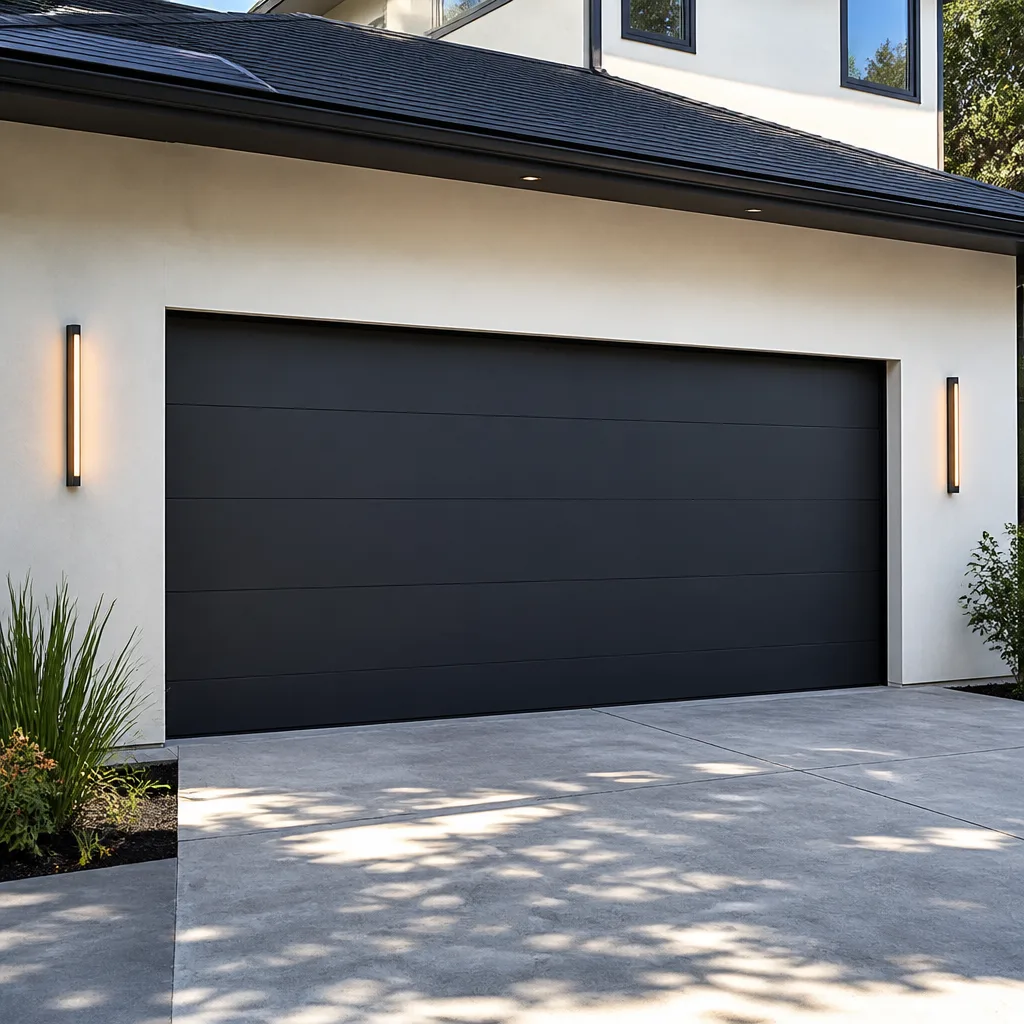 Modern flush
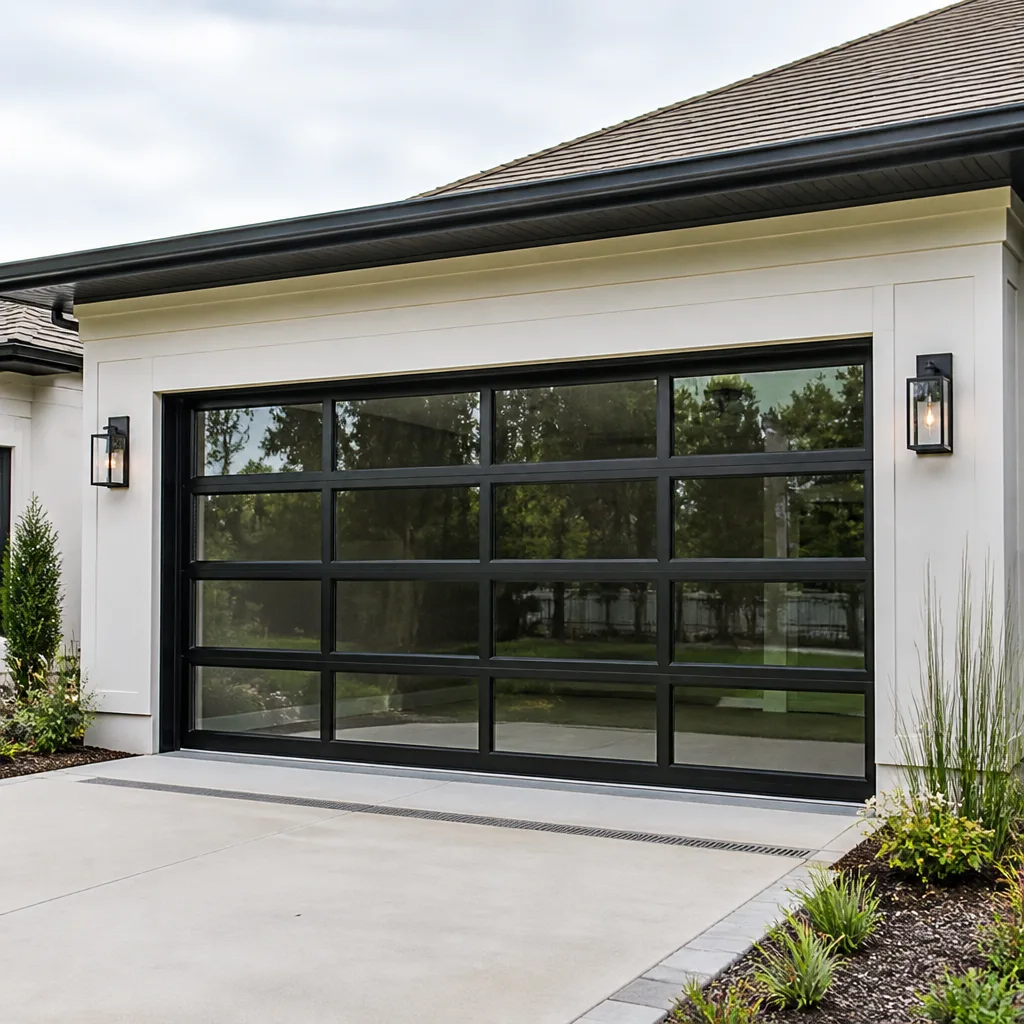 Full-view glass
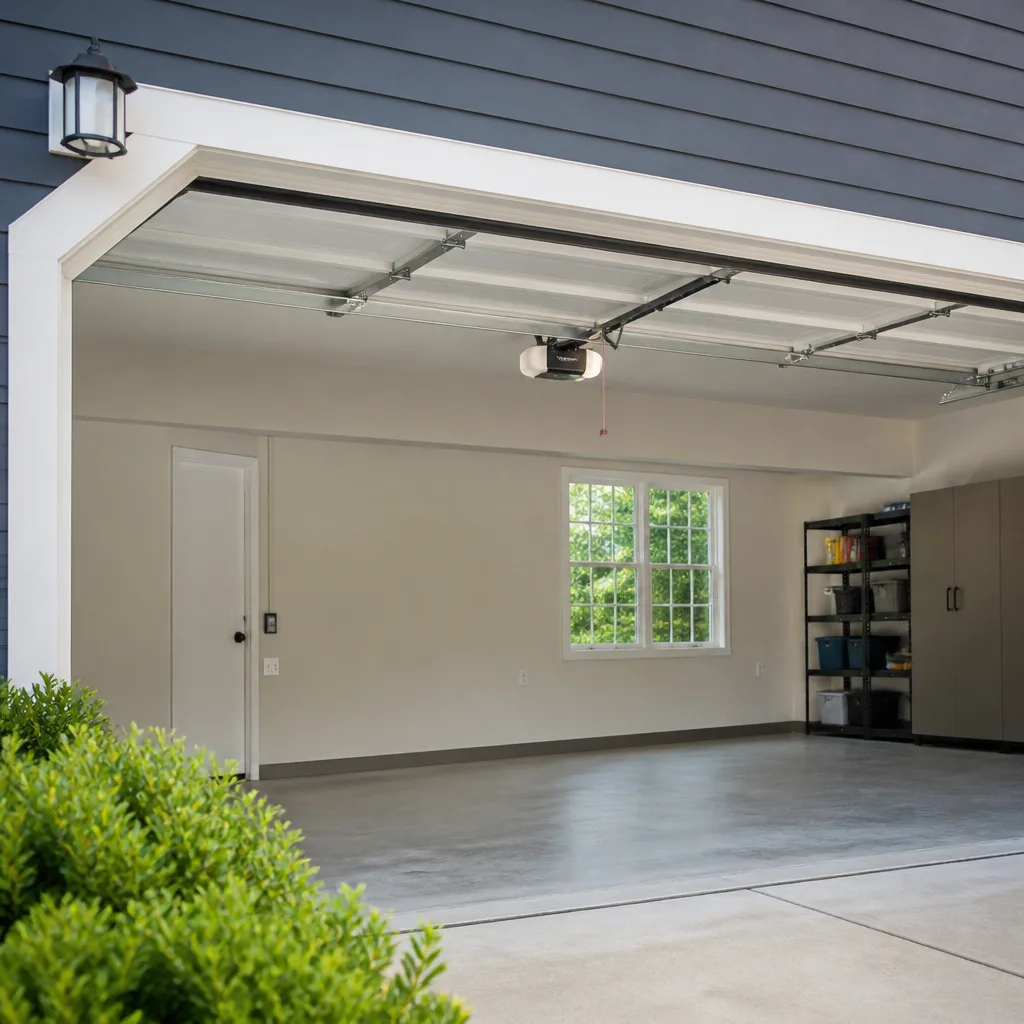 LiftMaster openers
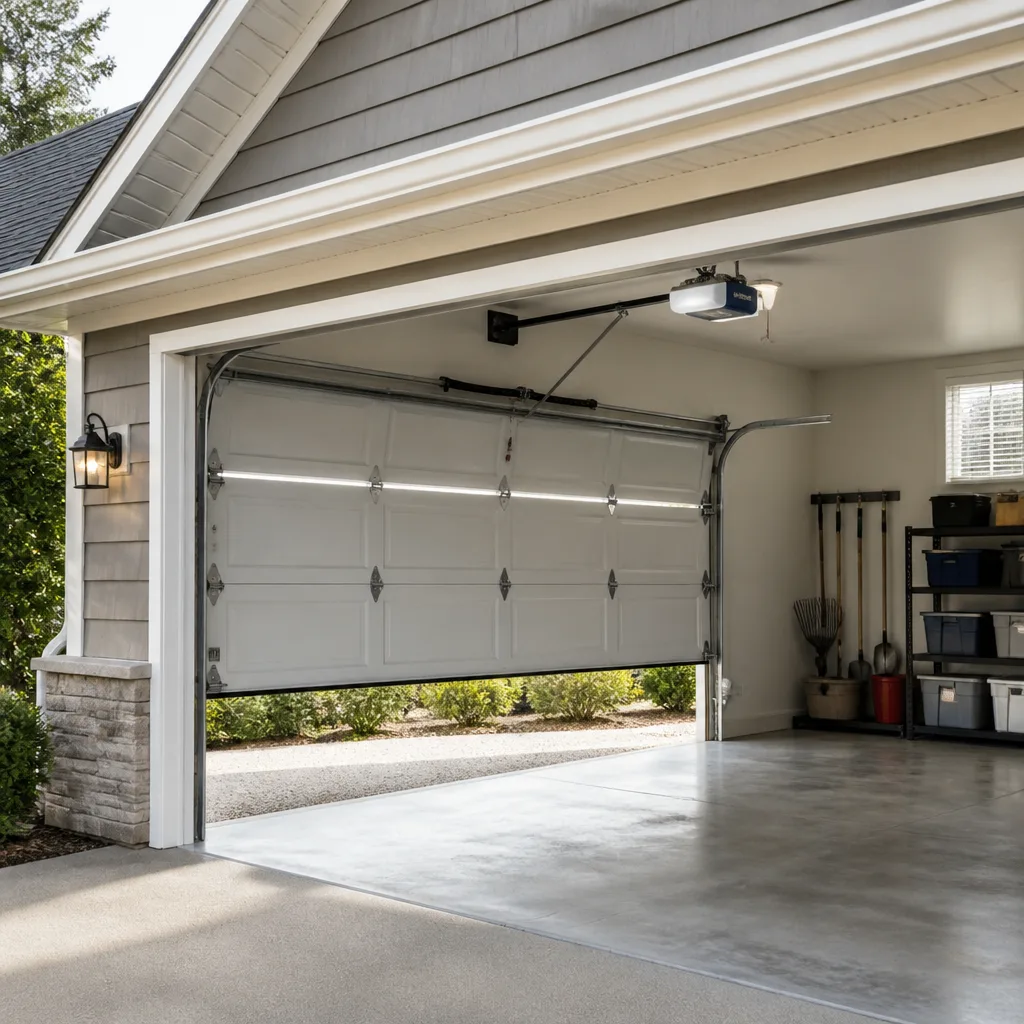 Chamberlain openers
Full 25-point door and opener safety check with every visit - springs, cables, rollers, tracks, and your LiftMaster or Chamberlain opener included
You get a price before we start. It does not change when the pro arrives.
Get your free estimateDIY vs Professional Garage Door: The South Tampa Homeowner’s Decision Guide
Most garage door advice treats DIY versus professional as a question of confidence. That framing misses the point. The real question is which specific tasks carry a risk profile that makes self-service genuinely dangerous, and which ones are simple enough that a capable homeowner wastes money calling anyone. We’ve watched homeowners spend a weekend fighting a door that needed twenty minutes of professional work, and we’ve watched others attempt repairs that should never be touched without training. This guide draws that line task by task, with South Tampa conditions, Florida permit rules, and the real cost of DIY errors in view.
Quick Answer
Lubrication, weatherstripping, sensor alignment, and travel-limit adjustments are reasonable DIY tasks for a careful homeowner with a ladder and a few basic tools. Torsion springs, extension springs, and lift cables are not – they store enough mechanical energy to injure hands and faces in an instant and should always be handled by a trained technician. For new door installation in South Tampa, Florida building permits usually require a licensed contractor, which puts the job outside DIY scope entirely.
Styles & brands we work with
- Raised-panel steel
- Carriage house
- Modern flush
- Full-view glass
- LiftMaster openers
- Chamberlain openers
Table of Contents
- The Task-by-Task Decision Table
- Why Torsion Springs Are a Categorical Line, Not a Skill Gradient
- Florida Permit Rules for DIY Garage Door Installation in South Tampa
- The Real Cost of DIY Mistakes
- Tasks Genuinely Worth Doing Yourself (and the Tools You’ll Need)
- Opener Problems: DIY or Call?
- Sourcing the Right Part for Your Brand
- When Professional Work Pays for Itself
The Task-by-Task Decision Table
The fastest way to answer the DIY question is to sort your job into one of three buckets: do it yourself, call for advice, or call a technician. Most homeowners only ever face the first two. The third bucket is where the real danger lives.
Here’s how the most common garage door jobs fall out for a South Tampa home:
- Lubricating hinges, rollers, and tracks: DIY. Fifteen minutes with a garage-door lubricant, no special tools, no risk of injury.
- Replacing weatherstripping along the bottom of the door: DIY. A screwdriver and a replacement seal. The heat and humidity around Tampa keep rubber seals from lasting as long as they do up north, so this one comes up often.
- Realigning safety sensors: DIY. Most sensors are adjustable by hand, and a misaligned lens is the single most common reason a door won’t close.
- Adjusting travel limits on the opener: DIY with caution. The limit screws are clearly marked on most openers, including the LiftMaster and Chamberlain units common in South Tampa homes. If you’re not sure which screw does what, stop and check the manual.
- Replacing rollers: Borderline. Straightforward on a door that’s down and unplugged, but a door with a broken spring is a different story.
- Replacing lift cables: Professional. Cables are under tension and can snap with severe force. No homeowner should attempt this.
- Replacing torsion or extension springs: Professional, always. We’ll explain why in the next section.
- Installing a new door: Professional. Permits, spring tensioning, track alignment, and opener calibration all come into play.
If your job sits clearly in the DIY column, the rest of this guide still matters. Knowing what to check during a routine lubrication also tells you what a failing door looks like before it fails. For anything in the professional column, our Garage Door Repair South Tampa team can schedule a visit and quote the work before anyone touches the door.
Why Torsion Springs Are a Categorical Line, Not a Skill Gradient
A torsion spring on a typical residential door holds hundreds of pounds of stored torque at rest. That’s the whole design. The spring does most of the lifting so the opener doesn’t have to, and when it’s wound to tension, releasing that energy incorrectly can break a hand or wrist in under a second. This is not a matter of practice or confidence. It’s a matter of the amount of stored energy sitting on a steel shaft above your head.
The tools technicians use for spring work – winding bars sized to the spring’s interior diameter – exist specifically because the standard homeowner toolkit can’t hold the tension safely. A screwdriver or piece of rebar in a spring cone is how people lose fingers.
What a spring replacement actually involves
- Identify the spring type (torsion on most modern doors, extension on older single-car doors) and match the wire gauge and interior diameter.
- Secure the door in the fully closed position so no energy is transferred to the openers or cables.
- Release tension on the existing spring using the correct winding bars, counting turns carefully.
- Remove and replace the spring, then re-tension to the manufacturer’s spec for the door’s weight.
- Test the door’s balance, the opener’s force settings, and the safety reverse function.
A miscalculated spring – wrong gauge, wrong length, wrong number of turns – can leave the door unbalanced, overload the opener, or fail again within weeks. This is why we treat spring repair as a core specialty rather than a side job. Our technicians have up to 12 years of experience on torsion and extension work specifically.
If you hear a loud snap from the garage and the door won’t lift, do not try to force it open. Call us for garage door repair and leave the door alone until a technician arrives.
Florida Permit Rules for DIY Garage Door Installation in South Tampa
Garage door replacement in Florida is generally treated as a structural alteration, which means a building permit is usually required. Whether a homeowner can pull that permit themselves depends on the jurisdiction and the scope of the work. In most South Tampa cases, replacing the door and any structural changes to the opening should be done by a licensed contractor who can pull the permit under their license.
Here’s how the permit question usually breaks down:
- Replacing a door with the same size and same style of opening: Often permits are still required, and the inspection covers the spring and track installation and the door’s stability.
- Changing the door size, adding a new opening, or altering the header: Licensed contractor territory in every jurisdiction we’ve worked with.
- Replacing the opener only: Usually no permit needed. Some cities in the Tampa area may require a final safety check of the reverse function.
- Replacing springs, cables, or rollers: Generally no permit, but the work is still best done by a trained technician.
The reliable move is to call your city’s building department directly with your address and the exact scope of your project. Ask two questions: does this job require a permit, and can I pull it as a homeowner? Rules change, and South Tampa is spread across more than one jurisdiction. A quick phone call saves a lot of confusion later.
When you’re ready to schedule, our garage door installation service handles the measure, the permit paperwork, and the post-installation safety check so nothing falls through the cracks.
The Real Cost of DIY Mistakes
We’re not going to tell you a single bad afternoon ruined someone’s whole house. But we can tell you what we actually see when a homeowner calls after a DIY attempt. These outcomes are common enough that we can list them by name.
- Stripped spring drums. When a spring lets go under improper tension, the drum can spin loose and strip its set screws. The fix usually involves replacing the drum, the spring, and sometimes the cable on that side.
- Misaligned tracks. Track realignment sounds simple until the door is 200 pounds of steel that has to be lowered into position without bending the panels. Most bent-track repairs take a technician an hour; a botched DIY alignment can turn that into a panel replacement.
- Opener damage from an unbalanced door. When a door isn’t balanced after DIY spring work, the opener motor keeps compensating for a load it wasn’t designed to lift. We see burned-out openers on doors where the spring was replaced but the balance was never checked.
- Voided manufacturer warranties. Most garage door and opener brands – LiftMaster, Chamberlain, Clopay, Raynor, Amarr – specify professional installation for their warranty to apply. A self-installed door often loses the warranty the moment the truck leaves the driveway.
- Failed inspection. In South Tampa, an inspection failure on a door installation means either redoing the work or pulling the permit retroactively, and both cost more than doing it right the first time.
Whatever the DIY error, the fix is usually within our scope. We handle opener repair, mechanical hardware, and full door work under one roof, so a single call gets the diagnosis started. Our garage door opener repair team can also evaluate whether the motor survived a misbalanced door or needs replacing.
What professional repair of a DIY error typically costs
Pricing on any garage door repair is quoted per job from a written estimate, and the price depends on the parts involved and the extent of the damage. That’s an honest answer, and we’d rather give it than a number we can’t stand behind. When we arrive, we diagnose, quote the exact work, and you approve the price before anyone turns a wrench. If the number doesn’t make sense, you don’t owe anything for the estimate.
Tasks Genuinely Worth Doing Yourself (and the Tools You’ll Need)
We’d rather you do the safe maintenance tasks yourself. Your garage door lasts longer when it’s regularly handled, and routine care is how you notice a problem before it becomes an emergency. Here’s what a careful homeowner can handle on a typical South Tampa door.
Tools to keep in the garage
- A garage-door-specific lubricant. White lithium grease or a silicone spray, never motor oil.
- A 7/16-inch wrench and a set of screwdrivers for adjustment screws.
- A step ladder tall enough that you never stretch for the track.
- The owner’s manual for your door and opener (or the model number, from the label on the opener housing).
Your spring and fall door check
- Unplug the opener or disconnect it using the emergency release.
- Lift the door halfway by hand. It should stay in place. If it drifts down, the springs may be losing tension.
- Listen for grinding or squeaking as it opens. Note where the noise comes from.
- Spray lubricant along each hinge, roller stem, and the torsion spring coils (not the track itself).
- Inspect the bottom seal for cracks and the steel panels for rust along the bottom edge.
- Re-engage the opener and test the safety reverse with a small block of wood on the threshold.
South Tampa homes near Bayshore Boulevard and in neighborhoods like Palma Ceia and Hyde Park deal with high humidity most of the year, which attacks steel at the bottom edge and wears through rubber seals faster than a dryer climate would. If your bottom panels show surface rust, treat it with a rust-inhibiting primer before it climbs. If you can hear a spring rattling but the door still lifts, have it looked at before it fails.
Opener Problems: DIY or Call?
Opener problems break down along the same line as the door itself. The simple ones are DIY. The ones involving wiring, circuit boards, or the opener’s internal mechanics are not. Modern openers from LiftMaster and Chamberlain are packed with logic boards, and the wrong touch of a screwdriver can turn a small repair into a full replacement.
Here’s how the common opener issues split:
- Remote or keypad not working: DIY first. Replace the battery, then re-program the remote using the opener’s instructions. If the wall button works but the remote doesn’t, it’s almost always the remote or the receiver, not the opener.
- Opener hums but doesn’t move: Call. This usually means the motor, capacitor, or drive gear has failed. Opening the housing without training can be dangerous.
- Door reverses as it closes: DIY check first. Look for an obstruction, then check the sensor alignment. A sensor that’s been knocked slightly off its mount is the single most common cause. If the sensors are aligned and clean, call a technician.
- Breaker keeps tripping when the opener runs: Call immediately. That’s an electrical problem, and no homeowner should troubleshoot it in a garage full of door hardware.
- Loud grinding sounds when the opener runs: Call. Usually worn gears or a failing chain drive, and often a sign the opener is near the end of its life.
Genie and Chamberlain openers, both common in South Tampa, use different drive mechanisms (belt, chain, screw) that can sound completely different when failing. Knowing what your brand typically sounds like before the problem starts makes it easier to decide when to call. Our team works on all major brands, so if you’re on the phone with us, we can usually tell you what’s likely happening from the description of the sound.
Sourcing the Right Part for Your Brand
One thing we’ve noticed about DIY repairs more than any other: the part is often a near-match rather than the actual part. A replacement roller measured to the nearest millimeter doesn’t move the same way in a track designed for a specific wheel diameter. A generic spring that’s the “right length” but wrong wire gauge won’t tension to the door’s actual weight. These aren’t dramatic failures, but they shave months off the part’s life and put unusual stress on everything around it.
Garage door brands are not interchangeable. A Clopay door uses different hinges and rollers than an Amarr or a Wayne Dalton door. A LiftMaster opener uses different safety sensor mounts than a Genie. Buying the right part, from the right brand, matters more than most DIYers realize.
- Always use the model number on the opener housing or door labels when sourcing a part. Photos and descriptions are less reliable than a part number.
- Springs must be matched to the door’s weight, not just its size. Two doors the same width can take completely different springs.
- Safety sensors are brand-specific. A sensor from one brand won’t communicate with an opener from another.
We source parts directly for the brands we work on, which means when a customer needs a specific replacement part, they’re not stuck ordering from a third-party marketplace. If you’re midway through a repair and you’ve discovered the part you need is on backorder, we can often get it faster than a consumer order. Our garage door parts service is a full category, not an afterthought.
When Professional Work Pays for Itself
Here’s a genuinely useful rule: any task that touches the springs, cables, or structural opening is a professional call. Not because homeowners can’t understand the work, but because the consequences of a mistake are so far out of proportion to the savings. A spring repair costs a fraction of the physical therapy for a hand injury, and no amount of YouTube research closes that gap.
A few scenarios push past the simple DIY-versus-professional decision:
- The door is more than 10 years old and starting to run unevenly. The whole assembly may need attention, and a professional can tell you whether to repair or replace.
- You’re replacing the door itself. This is where permits, spring sizing, and post-installation safety checks all come together.
- You’ve tried the DIY fix and the door still doesn’t work right. Repeating the same troubleshooting rarely solves it, and professional diagnosis is faster than another weekend on the ladder.
- Your homeowner’s insurance requires documentation of the repair. A professional invoice covers the paper trail; a DIY receipt rarely does.
- You’re choosing between repair and a new door and you don’t know which is the smarter spend for your South Tampa home. A free survey is worth more than an afternoon of reading product reviews.
When a job belongs in this category, our team handles it from start to finish. We do garage doors exclusively – every tool and every part in our inventory is built around one trade.
Common Mistakes to Avoid
- Attempting a torsion spring replacement with a screwdriver. The screwdriver will slip and the stored torque will release toward your hand. Only winding bars sized to the spring’s interior diameter are safe for this work.
- Oiling the tracks. Lubricating the tracks attracts dirt that turns into grit and grinds your rollers down. Lubricate the rollers and hinges, not the rail.
- Forcing a door that’s off track. A door that jumps the track should be left in place, fully closed if possible, until a technician secures it. Forcing it back into the track bends the panels and puts you under a falling door.
- Installing a new door without checking with the city building department. In South Tampa the permit requirement depends on the specific scope and the jurisdiction. A two-minute phone call to your city is worth more than a weekend of guesswork.
- Buying parts by measurement instead of model number. A supposedly compatible spring, roller, or sensor often isn’t. Match the model number stamped on the door or opener.
- Ignoring a small spring rattle. Rattle can mean a spring is losing tension, which is exactly the wrong time to keep using the door. Have it inspected before the spring fails.
- Trying to balance a door by tightening the opener. The opener’s force-adjustment screw is not a fix for an unbalanced door. It just overworks the motor until the opener fails too.
See the difference
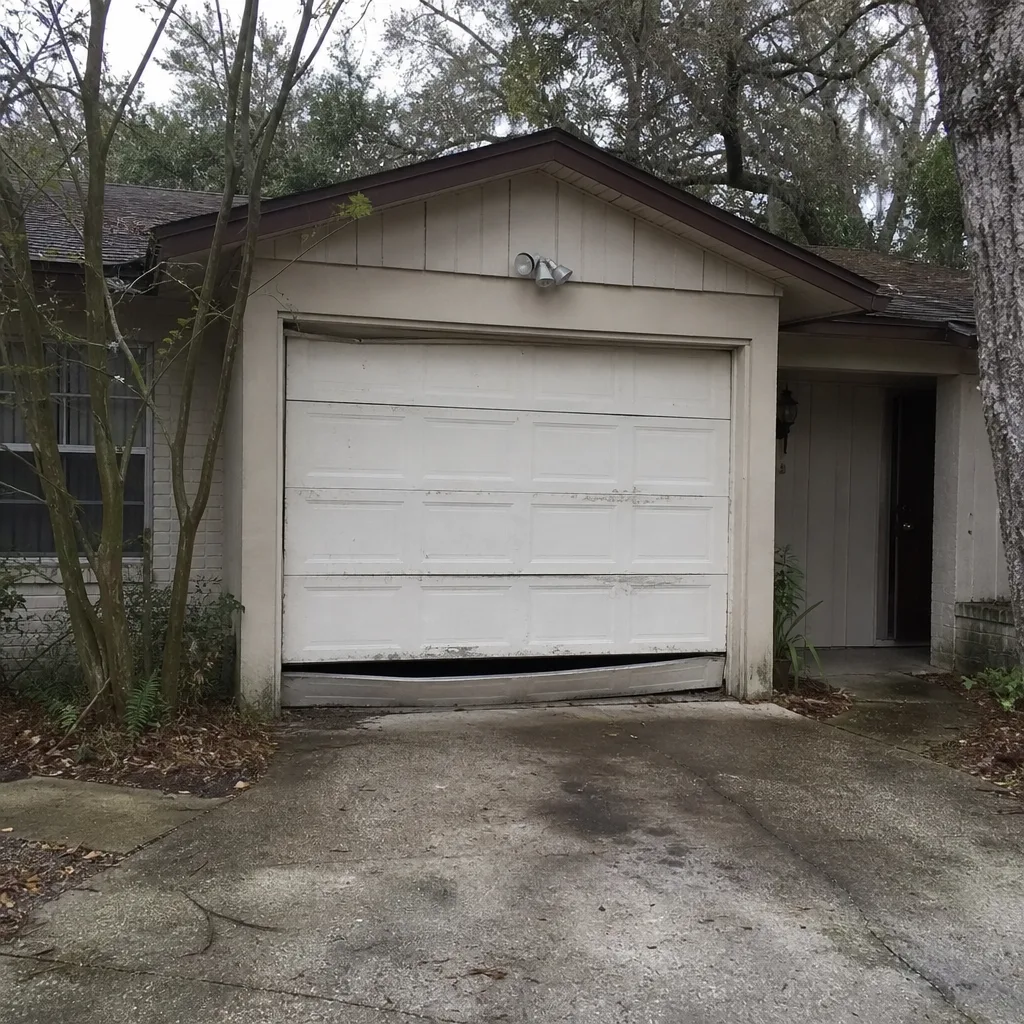 Before
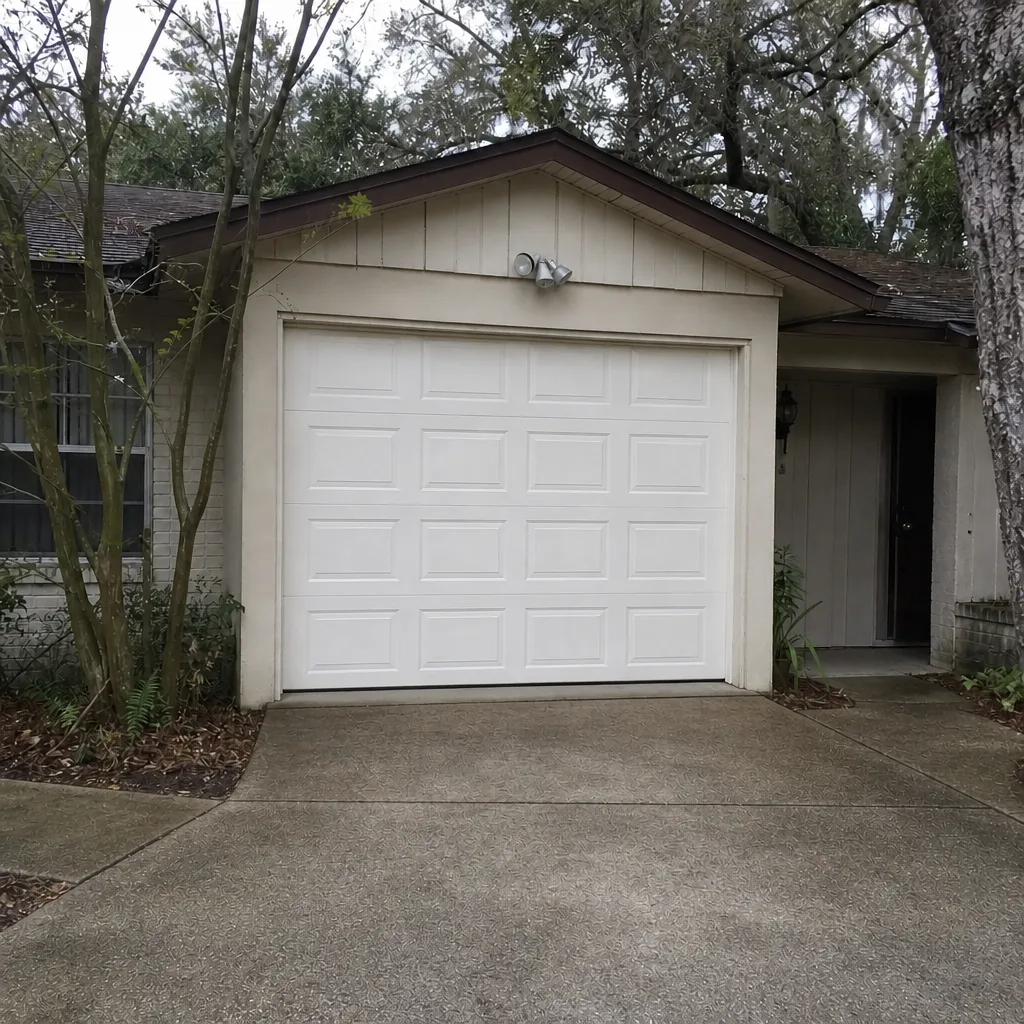 After
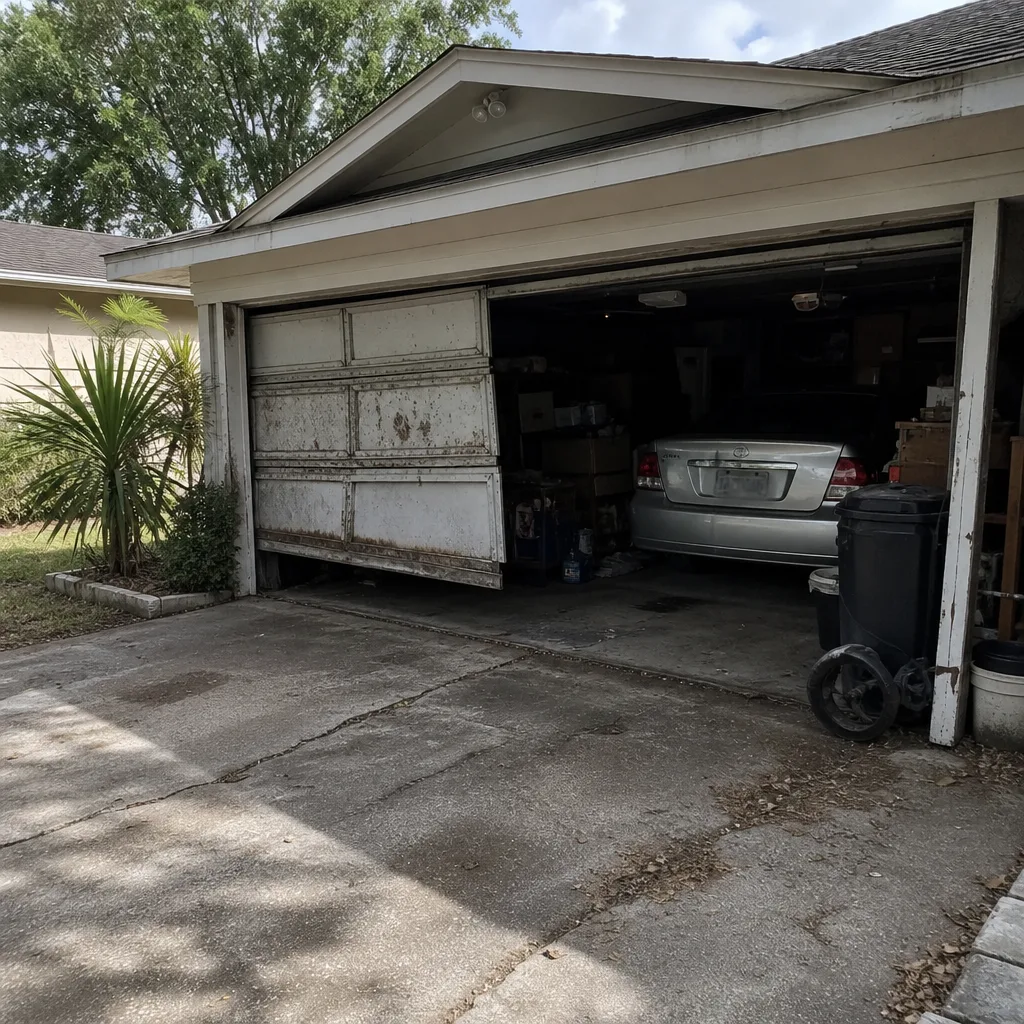 Before
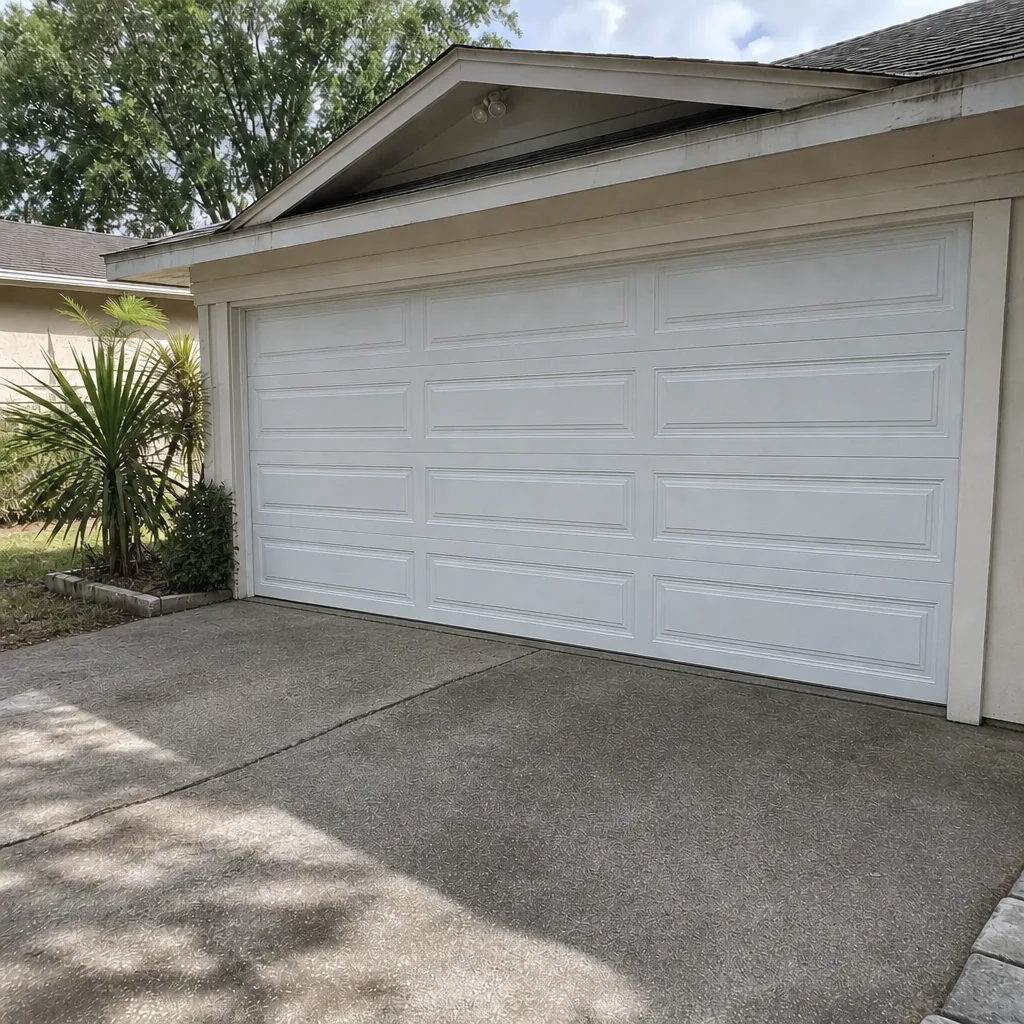 After
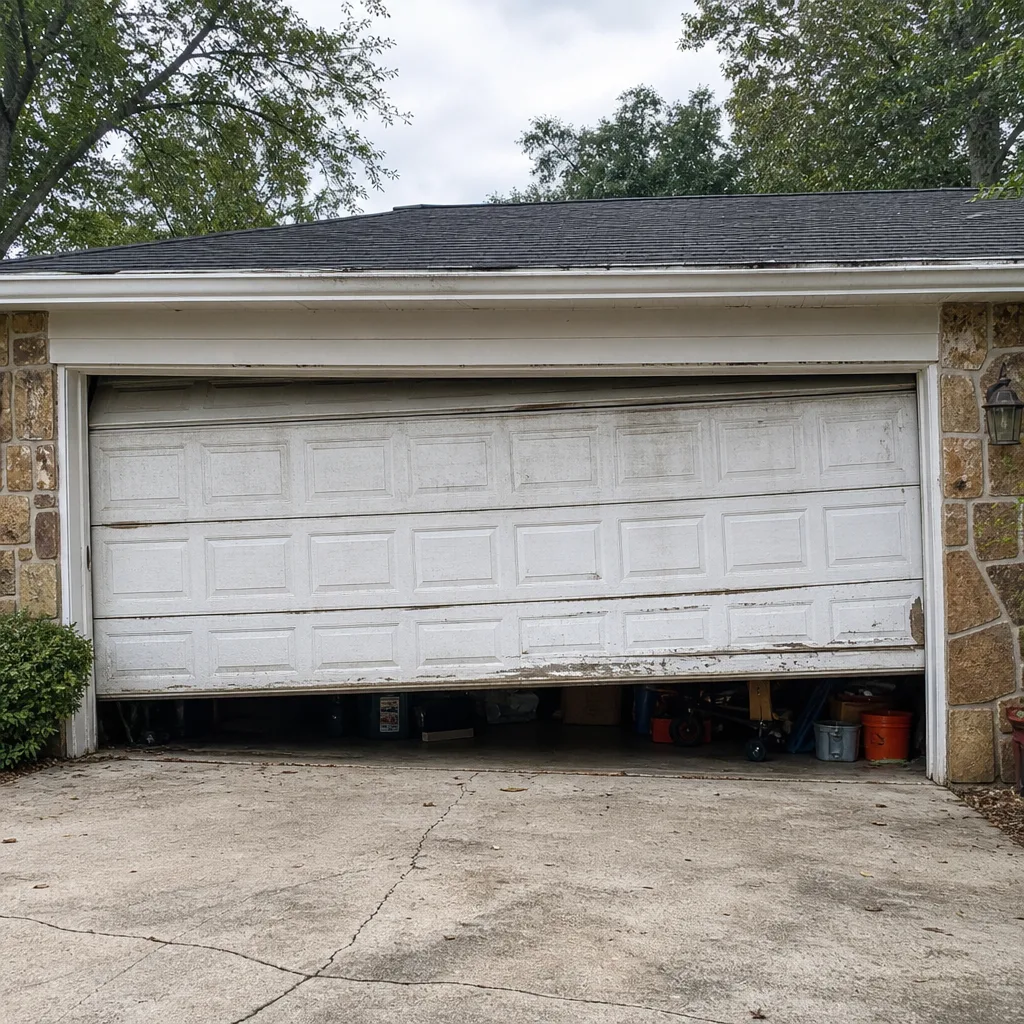 Before
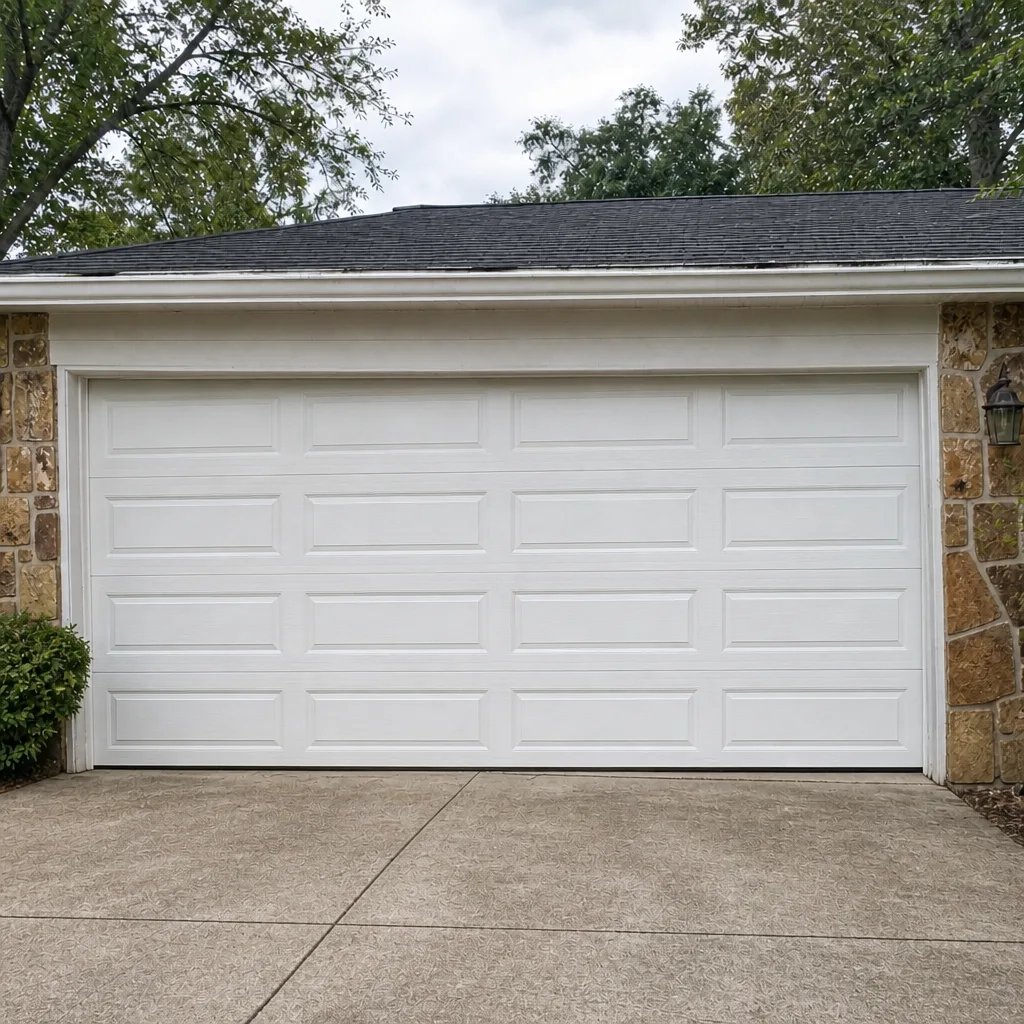 After
When to Call a Professional
Call for anything that involves springs, cables, the balance of the door, or the opener’s internal mechanics. Call if the door is visibly off its track. Call if the opener makes unusual noises or won’t lift the door. Call if your South Tampa home’s door is more than a decade old and starting to run unevenly. And call if you’ve done the safe hobby work and the door still isn’t behaving. A professional diagnosis is faster than another weekend on a ladder.
Garage Door Repair South Tampa offers free estimates on any garage door repair, opener repair, spring repair, or installation in South Tampa – call (833) 696-2185. We answer 24/7. Fast dispatch from 7am to 7pm, Sunday through Friday. Every price is quoted and agreed in writing before any work starts. Our technicians have up to 12 years of experience and work on the brand already in your garage – LiftMaster, Chamberlain, Genie, Clopay, Amarr, Wayne Dalton, Craftsman, and Raynor.
Frequently Asked Questions
No. Torsion and extension springs store enough mechanical energy to cause a serious hand or face injury in under a second, and the correct winding bars are not standard home tools. Leave spring work to a trained technician. If your spring has broken, do not force the door – call (833) 696-2185 and we can schedule a visit. Estimates are free, and the price is agreed in writing before any work starts.
Usually yes. Florida generally treats garage door replacement as an alteration that needs a building permit, though the exact requirement depends on your jurisdiction and the scope of the work. Call your city’s building department with your address and the specifics before starting. In most South Tampa cases the permit is pulled by a licensed contractor, which is standard practice on a full door replacement. Call (833) 696-2185 for a free measure and written price on a replacement.
Pricing is quoted per job from a written estimate, and the price depends on the specific repair and parts involved. We don’t give a number we can’t stand behind, and we don’t upsell. When we arrive, we diagnose, write the quote, and you approve before anyone starts. Call (833) 696-2185 – estimates are free.
Often yes. Spring repairs and door repairs are urgent categories, and we do same-day repair when the schedule allows. Fast dispatch from 7am to 7pm, Sunday through Friday. We answer 24/7. If you call after dispatch hours, your call is booked into the next opening. Call (833) 696-2185 and we’ll tell you what’s available.
No, not in the sense you’re worried about. The written estimate is the price for the agreed scope. If a technician discovers something beyond the original diagnosis, you’ll be told before any additional work happens, and you’ll approve a revised price first. Labor and parts are set per job, not by the hour, so there’s no surprise at the end. Call (833) 696-2185 for a free estimate.
The local professional who arrives at your door is licensed and insured as Florida requires for the work being performed. Our role is to connect you with a vetted independent local professional who works on your specific brand – whether that’s a Raynor, a Genie, a Chamberlain, or another major door or opener brand. Call (833) 696-2185 to schedule a free estimate.
Lubricate the hinges, rollers, and spring coils twice a year, keep the bottom seal clean, and test the safety reverse function monthly. Listen for new sounds when the door opens. In our experience, most South Tampa doors last significantly longer when the homeowner knows what to check and what not to touch.
The Bottom Line
The DIY question on a garage door is not about your confidence level. It’s about the specific physics of each task. Lubrication, weatherstripping, sensor alignment, and travel-limit adjustments are worth doing yourself – they extend your door’s life and help you spot problems early. Springs, cables, and structural installation are not DIY work in South Tampa, or anywhere else, because the stored energy involved can hurt you long before you realize something is wrong. Florida permit rules for a new door usually require a licensed contractor anyway, and the warranties on the brands you’ll find in your garage (LiftMaster, Genie, Clopay, Amarr, Wayne Dalton, Craftsman, Chamberlain, Raynor) typically expect professional installation.
Every price we quote is written, agreed, and final for the agreed scope. If you’ve finished a DIY project and the door still isn’t right, or if you’re ready to replace the door entirely, one call covers it.
Call (833) 696-2185 for a free estimate. We answer 24/7. Fast dispatch from 7am to 7pm, Sunday through Friday, and we’re closed on Saturday. Garage Door Repair South Tampa handles repair, opener repair, spring repair, installation, and parts for the brands already in your garage.
Written by the team at Garage Door Repair South Tampa.