
Last updated November 22, 2026
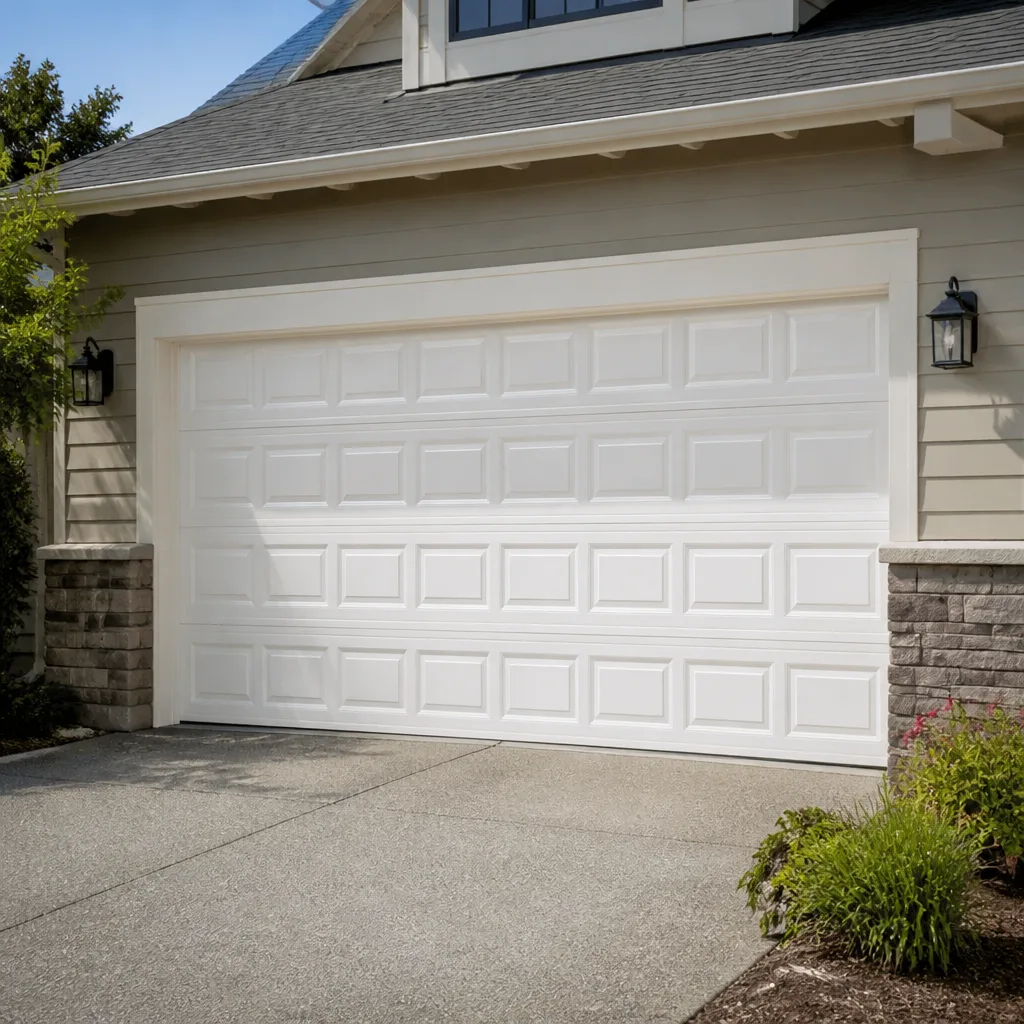 Raised-panel steel
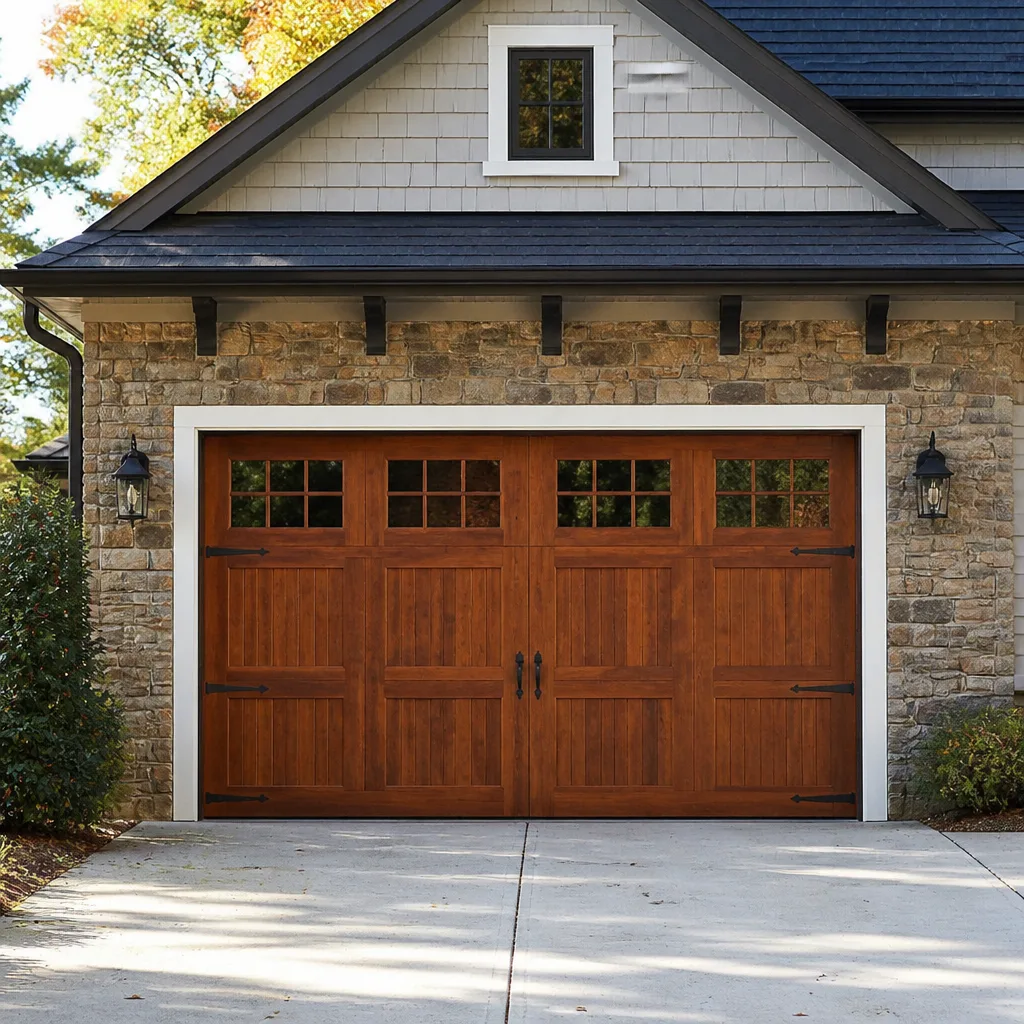 Carriage house
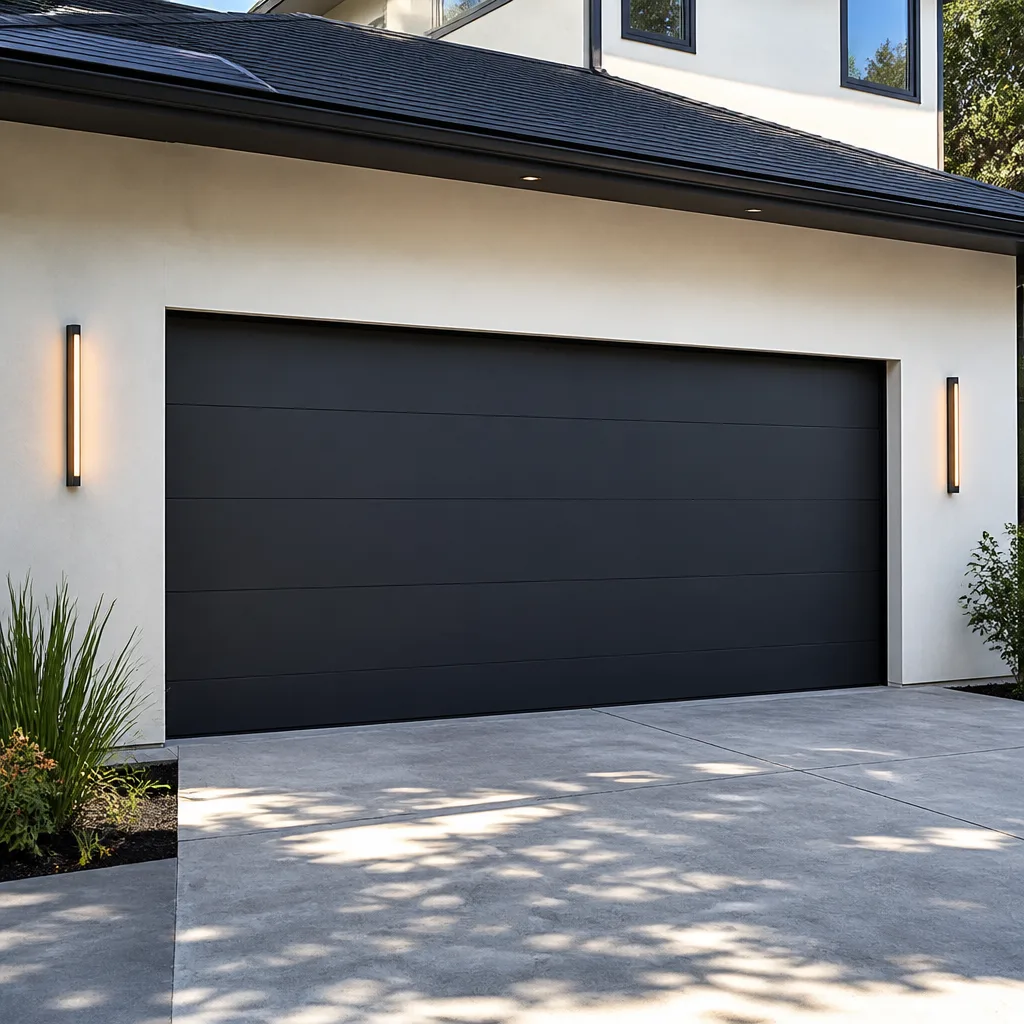 Modern flush
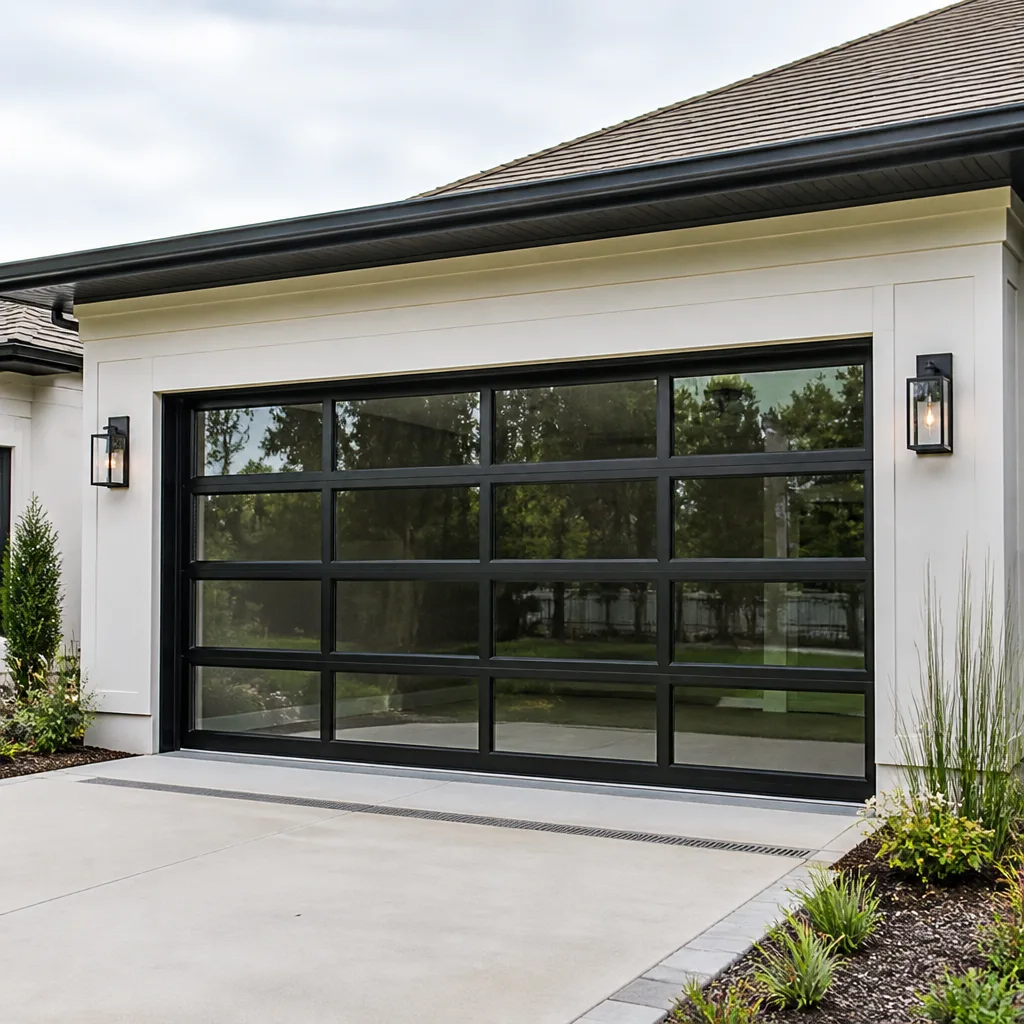 Full-view glass
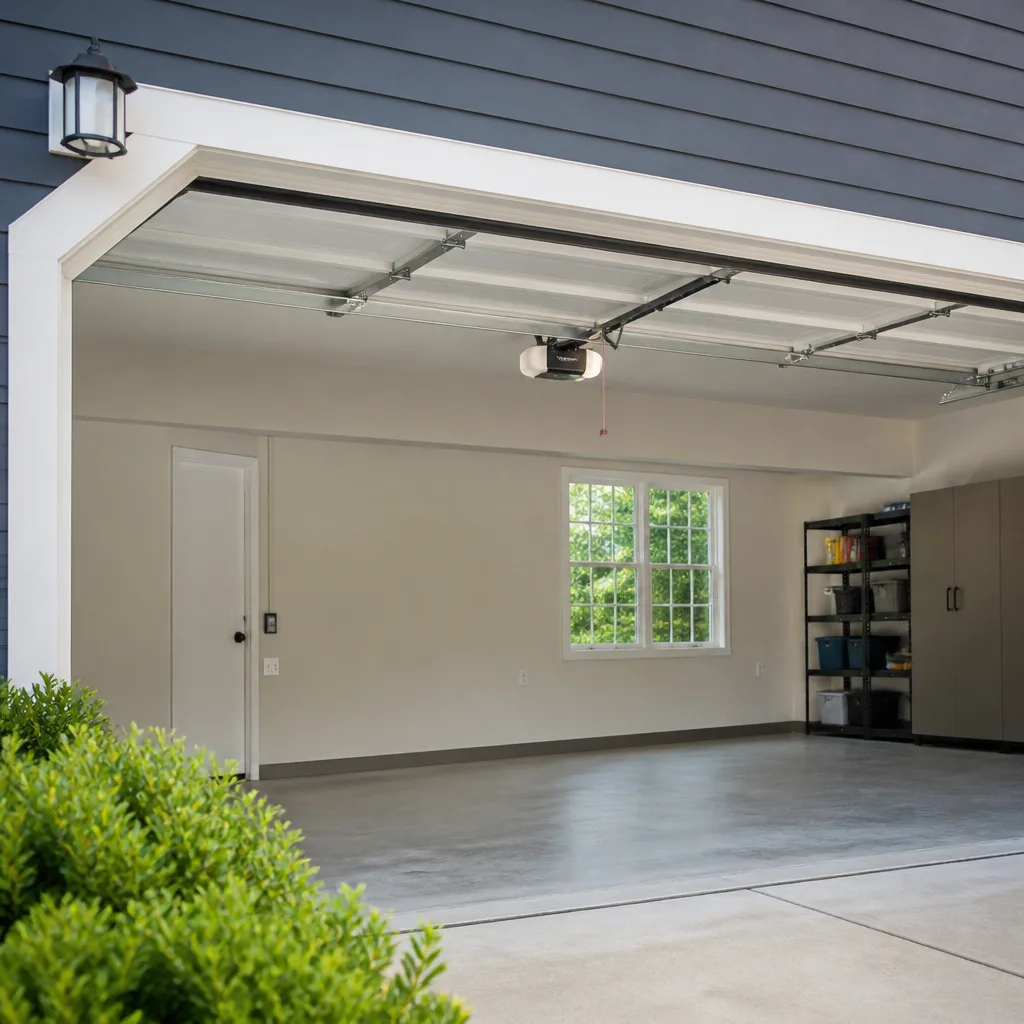 LiftMaster openers
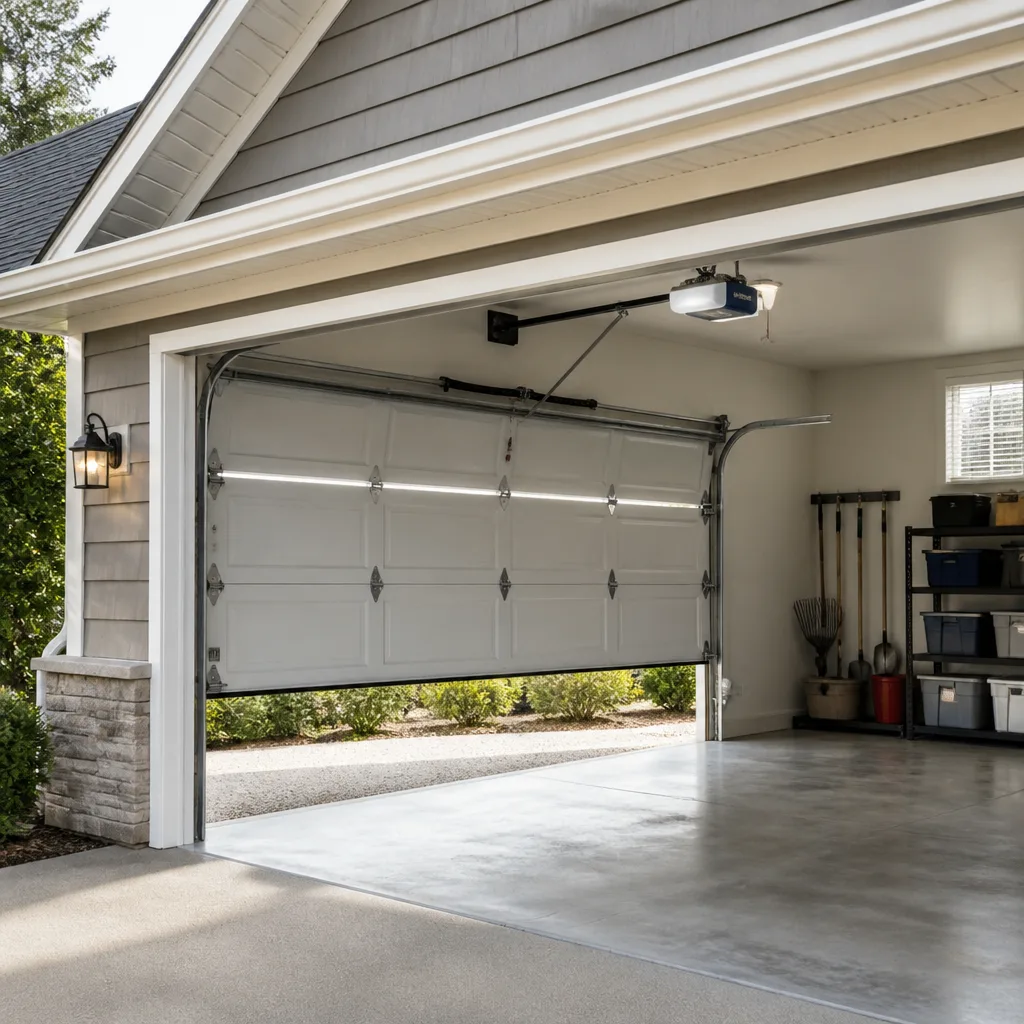 Chamberlain openers
Full 25-point door and opener safety check with every visit - springs, cables, rollers, tracks, and your LiftMaster or Chamberlain opener included
You get a price before we start. It does not change when the pro arrives.
Get your free estimateSeasonal Garage Door Care for South Tampa: Year-Round Homeowner’s Guide
Most garage door maintenance advice you’ll find online was written for places that get four seasons. It tells you to inspect in spring and again in fall, to winterize before the first freeze, to watch for ice in the tracks. South Tampa doesn’t work that way. Our year has two stretches that actually matter for a garage door: the hurricane season that runs from June through November and the heavy humidity that comes with it, and a dry window from roughly November through April that’s the only sensible time to do certain preventive work. If you do your big inspection in October, you’ve already missed the worst of what summer throws at a door. This guide lays out a South Tampa calendar built around the real climate cycle, plus the specific symptoms to watch for in the heat.
Quick Answer
In South Tampa, the practical garage door calendar is built around hurricane season, not the northern spring-and-fall model. Do your major preventive work (springs, cables, weatherstripping, balancing) during the dry window from November through April, then run a focused pre-season inspection before June 1 and a post-storm check after every named system that passes through. Summer heat is the other factor: it stresses opener electronics and shifts spring tension, so a door that ran fine in March can start binding in July.
Styles & brands we work with
- Raised-panel steel
- Carriage house
- Modern flush
- Full-view glass
- LiftMaster openers
- Chamberlain openers
Table of Contents
- Why the Standard Maintenance Calendar Fails in South Tampa
- The South Tampa Seasonal Garage Door Calendar
- Pre-Season Hurricane Prep: What to Inspect Before June 1
- Post-Storm Inspection: Structural vs. Cosmetic Damage
- The Dry Season Window: What Work Belongs November Through April
- How Summer Heat Affects Openers and Spring Tension
- Documenting Damage for Insurance
- South Tampa Neighborhood Notes: Bayshore to Palma Ceia
Why the Standard Maintenance Calendar Fails in South Tampa
The spring-and-fall maintenance schedule came from climates with hard freezes and long winters. Up north, the logic is simple: the ground heaves, ice builds in the tracks, road salt eats the hardware, and everything gets a hard look in spring once the thaw comes and again in fall before the cold sets in. None of that applies here. South Tampa doesn’t see freeze-thaw cycles. What it sees is months of heat and heavy humidity, salted with the occasional tropical system.
Here’s the mismatch in plain terms. The northern calendar assumes the damaging season is winter, so it puts preventive work in spring and fall. In South Tampa, the damaging season is summer and early fall, when heat, moisture, and storm wind all peak together. By the time a fall inspection rolls around, any corrosion or tension drift that built up over the summer has already had four or five months to work. You’re inspecting after the damage, not before it.
The second reason the generic calendar misses: it doesn’t account for how humidity affects the parts that matter. Springs, cables, hinges, and rollers all live in an environment that’s warm and wet for half the year. A steel torsion spring that’s fine in a dry climate can show surface corrosion here far faster if the door isn’t opened regularly, because condensation sits on the metal. A weather seal that seals well in a dry climate can go soft and lose its shape in the heat.
So the calendar we recommend to South Tampa homeowners isn’t a tweak on the northern one. It’s a different shape entirely: one big inspection and service push during the dry window, a hard deadline of June 1 for pre-season prep, and post-storm checks during the active season.
The South Tampa Seasonal Garage Door Calendar
Here’s the year at a glance. Treat this as the backbone of your maintenance routine and adjust the specific dates to your own door’s age and condition.
November through April: The Service Window
This is when you do the work that benefits from dry, stable conditions. Cable replacement, spring servicing, weatherstripping replacement, balancing, hinge and roller lubrication, and any hardware upgrades all belong here. The reason is straightforward: you want the door in dry conditions when you’re checking how it seals and how it balances, because moisture skews what you’re seeing. This is also the window when scheduling is easiest, since you’re not competing with storm-season repair calls.
May: The Pre-Season Push
Finish anything you didn’t get to during the dry window, but get it done before June 1. This is the month to run the full pre-season inspection covered below. If a spring is near the end of its life or a cable shows wear, replace it now rather than during an active storm threat, when demand across the region spikes and getting a technician out becomes harder.
June through November: The Active Season
During hurricane season, your routine shifts from preventive work to monitoring. Do a visual check of the door, tracks, and hardware monthly, and a fuller check after any named storm that passes nearby. Routine service work can still happen in this window if something needs attention, but the big-ticket preventive jobs are better done earlier.
Post-Storm: After Every System
After a named storm, run the post-storm checklist before you open the door normally again. The full checklist is below. The short version: look at the tracks, the panels, the cables, and the spring, and note anything that’s changed before you cycle the door.
Pre-Season Hurricane Prep: What to Inspect Before June 1
The goal of pre-season prep is to find the weak points before a storm tests them. The general rule for wind-rated systems is to confirm the door is properly reinforced and operating correctly before the season starts, since repair and inspection access becomes harder once a system is approaching. Check with your city’s building department on what your specific door and opening require.
Here’s the pre-season inspection, in order:
- Check the door’s wind rating and reinforcement. Many modern doors installed in Florida are rated to a specific wind load, and some have a reinforcement strut or bracing kit. Confirm what your door is rated for and that any reinforcement hardware is intact and correctly fitted.
- Inspect the tracks for alignment and fasteners. Look for bent sections, loose lag bolts, or tracks that have pulled away from the jamb. A track that’s loose now can fail under wind load.
- Examine the spring and cables. A torsion spring near the end of its service life, or a cable with fraying or broken strands, is a failure waiting for a load test. Replace before the season, not after.
- Check the weather seal at the bottom and sides. A seal that’s torn or compressed flat lets wind-driven rain in. Replace it before the season.
- Test the manual release. Disconnect the opener and lift the door by hand. It should lift smoothly and stay put at half-height. If it falls or binds, the door needs service before the season.
- Check the opener’s emergency backup. If your opener has a battery backup, confirm it’s charged and working. If it doesn’t, know that in a power outage you’ll need the manual release.
Do all of this before June 1, and you’ll be working in calm conditions rather than during an active storm threat. Parts and scheduling are easier to line up, and if something needs replacing, you can do it on your schedule instead of under pressure.
Post-Storm Inspection: Structural vs. Cosmetic Damage
After a storm, the first question is what’s actually damaged and what just looks bad. The second question is what needs immediate attention and what can wait. Here’s the post-storm checklist, and then the distinction that matters most.
Post-Storm Inspection Checklist
- Look at the panels from outside. Check for dents, bends, and separation between sections. A panel that’s creased across a bend is usually structural, not cosmetic.
- Check the tracks on both sides. Look for bends, kinks, and any spot where the track has pulled away from the wall or jamb.
- Inspect the spring and cables. A broken spring is unmistakable (the door is heavy and won’t balance). A stretched or displaced cable may be less obvious, so look for cables that are off their drums or loose.
- Test the door by hand before using the opener. Disconnect the opener and try lifting the door manually. If it binds, falls, or feels much heavier than usual, stop and call a technician before cycling it with the opener. Running a damaged door under power can turn a repair into a replacement.
- Check the weather seal and the header seal. Look for tears, gaps, and sections that have pulled loose.
Structural vs. Cosmetic Damage
Cosmetic damage is a dent, a scuff, or a bend that doesn’t affect how the door operates or how the panels connect. It’s worth documenting but doesn’t stop you from using the door. Structural damage affects the door’s ability to operate safely and to hold under wind load. That includes a bent track, a panel that’s separated from its neighbor, a cable off its drum, a broken spring, and any hinge or bracket that’s deformed or pulled loose.
The line between the two isn’t always obvious from the ground, which is why a professional inspection after a significant storm is worth doing. But the rule that gets you most of the way: if the door binds, falls, or hangs unevenly when you test it by hand, treat it as structural. If it lifts smoothly and closes flush, the damage is likely cosmetic.
The Dry Season Window: What Work Belongs November Through April
The dry window from November through April is the right time for any work that involves replacing parts, adjusting tension, or checking how the door seals. The practical reason is that you want to see the door in stable conditions, without the moisture and heat of summer distorting what you’re evaluating.
- Cable replacement. Cables are under constant tension and wear at the drums and the bottom brackets. Replacing them in the dry season means you’re starting the storm season with fresh cables, not ones that have been stressed all summer.
- Spring servicing and replacement. Torsion and extension springs are the parts that fail most often and do the most damage when they do. Servicing or replacing them in the dry window means the tension is calibrated before the heat of summer shifts it.
- Weatherstripping. Bottom seals, side seals, and header seals all need to be checked and replaced in dry conditions so you can see how they sit against the frame. This is the point in the year when the door’s sealing is easiest to verify.
- Balancing and lubrication. Hinges, rollers, and the spring itself benefit from lubrication and a balancing check. The dry season makes it easier to feel whether the door is running smoothly.
- Opener service. If your opener is a Chamberlain or Genie unit, this is the window to have the chain or belt tension checked, the travel limits adjusted, and the safety reverse tested.
If you only do one thing during the dry window, make it the spring and cable check. Those are the two parts most likely to fail, and they’re the two parts most dangerous to ignore.
How Summer Heat Affects Openers and Spring Tension
Summer in South Tampa puts a garage door through a specific kind of stress. The garage itself heats up, especially if it faces west or has limited ventilation, and the metal parts of the door expand and contract with the temperature swings between day and night. Two things tend to go wrong.
Opener Thermal Performance
Openers, particularly older units, have thermal protection built in to keep the motor from overheating. In a hot garage, that protection can trip more often, and the symptom is unmistakable: the door runs a few feet and stops, then works again after a pause. That’s often a sign the motor is working harder than it should, which can mean the door is binding, the spring tension is off, or the opener is nearing the end of its life. It’s also worth checking whether the opener’s travel limits and force settings have drifted. A Genie or Chamberlain unit that ran fine in March may need its limits adjusted once the door starts expanding in the heat.
Spring Tension Calibration
Springs are calibrated to balance a specific door weight. Heat doesn’t change the spring’s rating, but it does change the door’s behavior, and it can change how the spring feels if the door is binding. The symptom to watch for is a door that runs smoothly in the morning and binds or hesitates in the afternoon, or one that won’t stay fully open. If you see that pattern, the door needs a balance check, not just a lubrication.
Another summer symptom: a door that closes hard or bounces at the bottom. That’s often the weather seal going soft in the heat, or the bottom bracket riding differently as the door expands. Both are worth a look before they turn into a bigger problem.
Documenting Damage for Insurance
If a storm damages your door, the documentation you collect in the first day or two matters more than the documentation you collect a month later. Here’s a practical routine:
- Photograph before you touch anything. Get wide shots of the door and the opening, then close-ups of each damaged area. Include the tracks, the panels, and the spring and cables.
- Note the date and the storm. Write down the date the damage happened and the name of the system if it was a named storm.
- Keep the damaged parts. Don’t throw away a broken spring, a bent track section, or a damaged panel until your claim is settled.
- Get a written assessment. A technician’s written description of what’s damaged and what needs replacing supports a claim far better than a verbal estimate.
- Separate structural from cosmetic. Note which damage affects operation and which is cosmetic. Insurers and adjusters work from that distinction.
We can work with your insurer on a storm-related claim, and a written assessment from a technician is usually the most useful document you can hand to an adjuster.
South Tampa Neighborhood Notes: Bayshore to Palma Ceia
The seasonal calendar applies across South Tampa, but the specific things to watch vary a bit by neighborhood, mostly because of how the housing stock and the exposure differ.
Along Bayshore Boulevard and the streets just off it, the older homes often have garage doors that have been through many storm seasons, and the tracks and hardware on those doors are worth a close look each spring. In Hyde Park and Palma Ceia, the mix of older homes and renovations means door hardware is sometimes a patchwork of old and new, which makes a balancing check more valuable than usual. In the newer construction around Westshore and the Channel District, the doors are more likely to be wind-rated, but the openers and springs still need the same seasonal attention.
The one thing that’s consistent across South Tampa: the summer heat and humidity do the same work on every door, regardless of neighborhood. The calendar doesn’t change from Bayshore to Palma Ceia. What changes is how closely you need to look at the specific hardware that’s been installed on your door.
If you’re not sure what you’re looking at, that’s a reasonable reason to have a technician walk through it with you. We work on the brand already in your garage, whether that’s a Clopay or Amarr door, a LiftMaster or Chamberlain opener, or a Wayne Dalton or Raynor system. Knowing the actual hardware on your door is what makes the seasonal check fast and specific.
Common Mistakes to Avoid
- Following the northern spring-and-fall calendar. If you do your big inspection in October, you’ve already been through the whole hurricane season without a pre-season check. Move the major inspection to the dry window and add a pre-season check before June 1.
- Skipping the pre-season prep because the door “looks fine.” A door that runs smoothly in May can still have a spring near the end of its life or a cable with hidden wear. The pre-season check is about finding those before a storm tests them, not after.
- Running a damaged door with the opener after a storm. If the door binds or falls when you test it by hand, stop. Running it under power can turn a bent track into a bent panel and a repair into a replacement.
- Lubricating a binding door instead of diagnosing it. Lubrication helps a door that’s running smoothly. It doesn’t fix a door that’s out of balance or a spring that’s lost tension, and it can hide the symptom long enough for the problem to get worse.
- Ignoring summer opener symptoms. A door that stops partway and works again after a pause is telling you something. It could be the opener’s thermal protection tripping because the door is binding, or a sign the opener is nearing the end of its life. Get it checked before it fails completely.
- Throwing away damaged parts before an insurance claim is settled. Keep the broken spring, the bent track, or the damaged panel until the claim is resolved.
- Assuming a cosmetic dent is the whole story. A dent that doesn’t affect operation is cosmetic. But a panel that’s separated from its neighbor or a hinge that’s deformed is structural, and it’s easy to miss from the ground.
See the difference
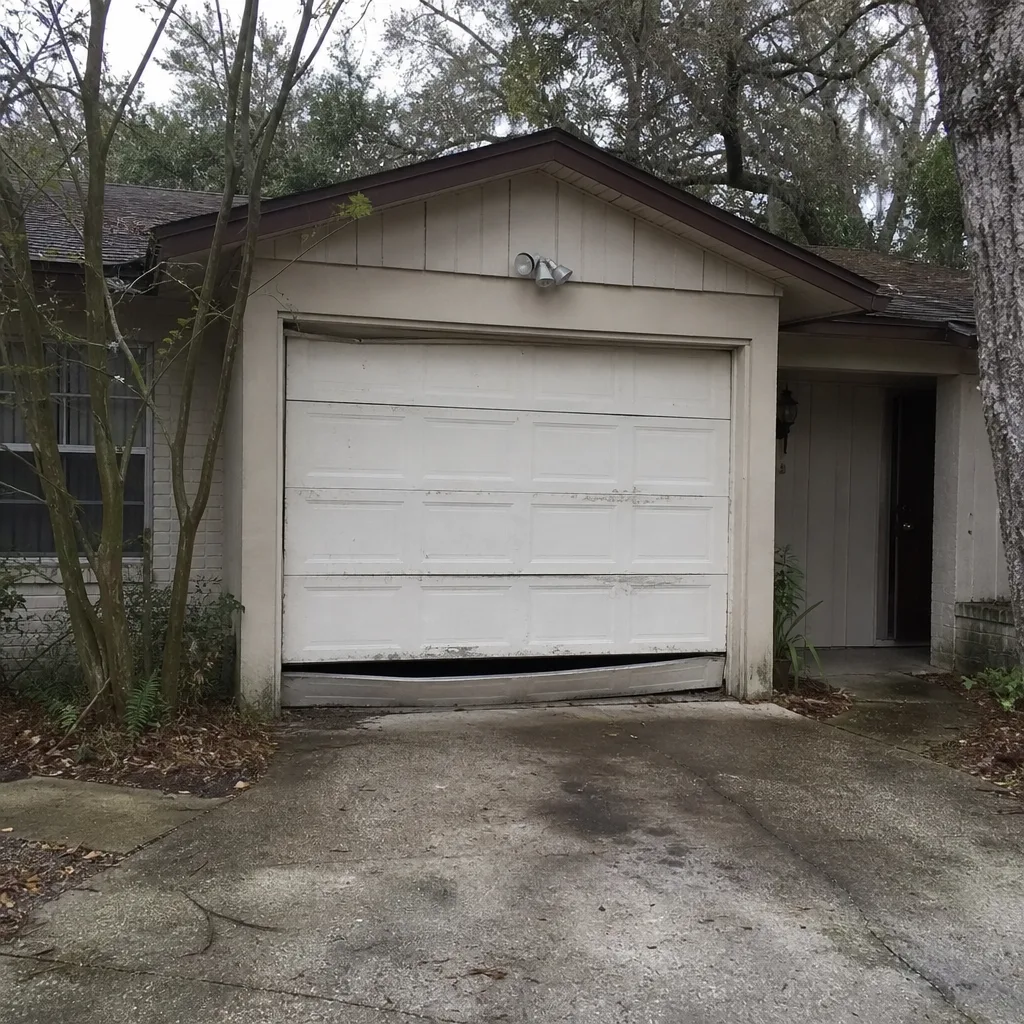 Before
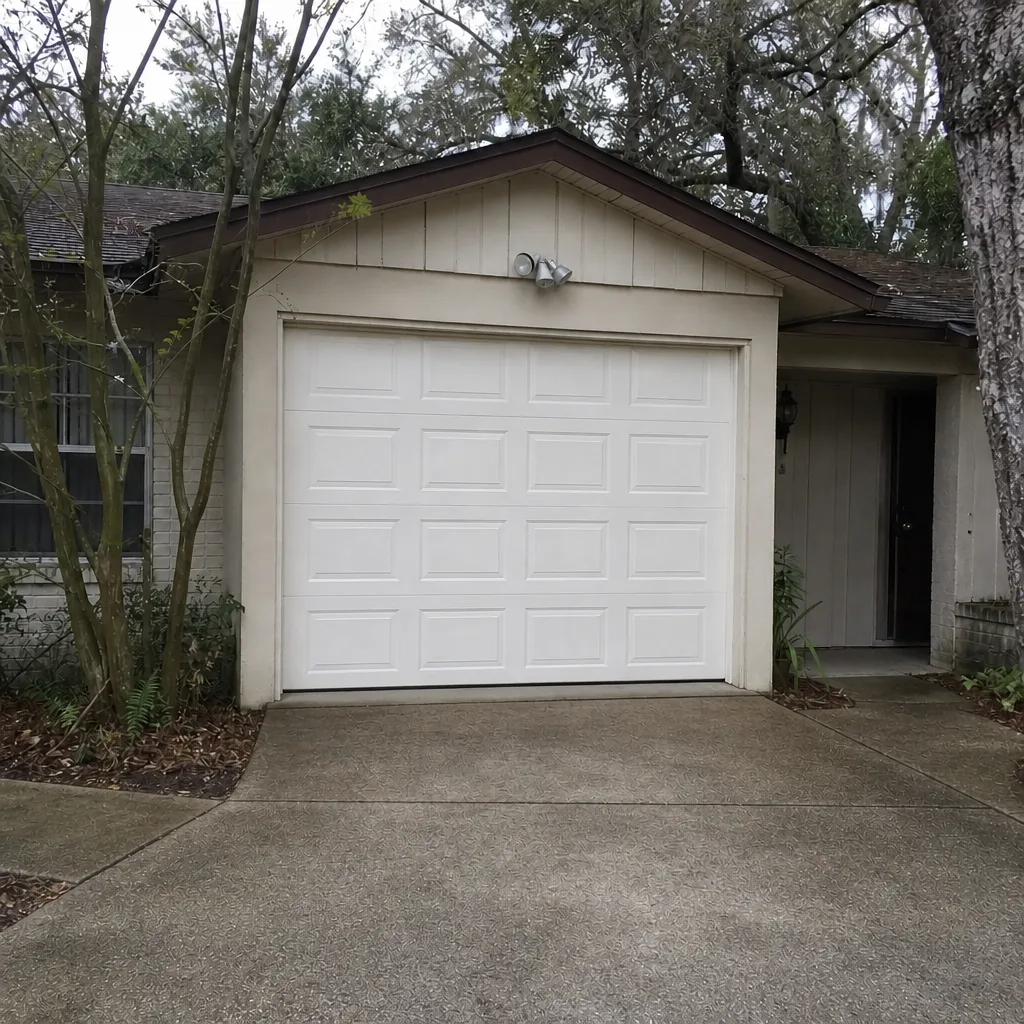 After
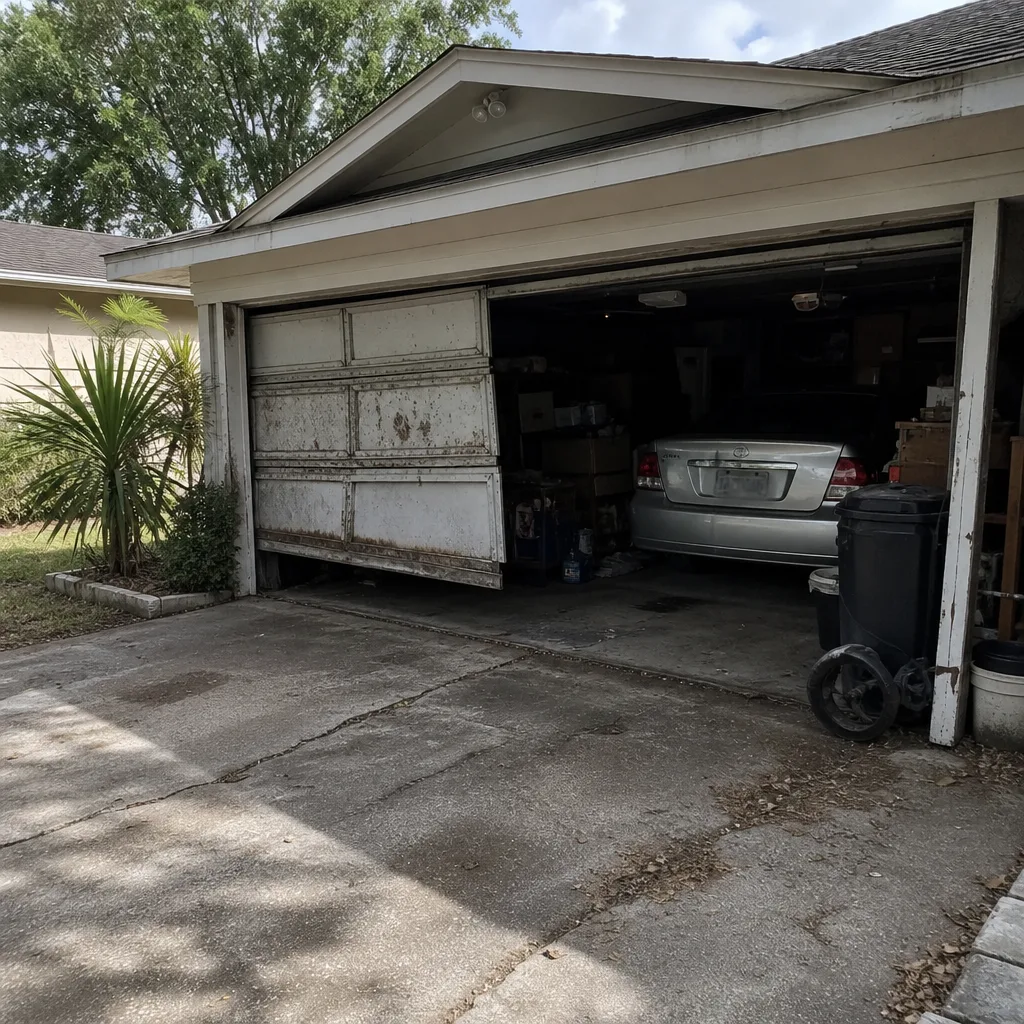 Before
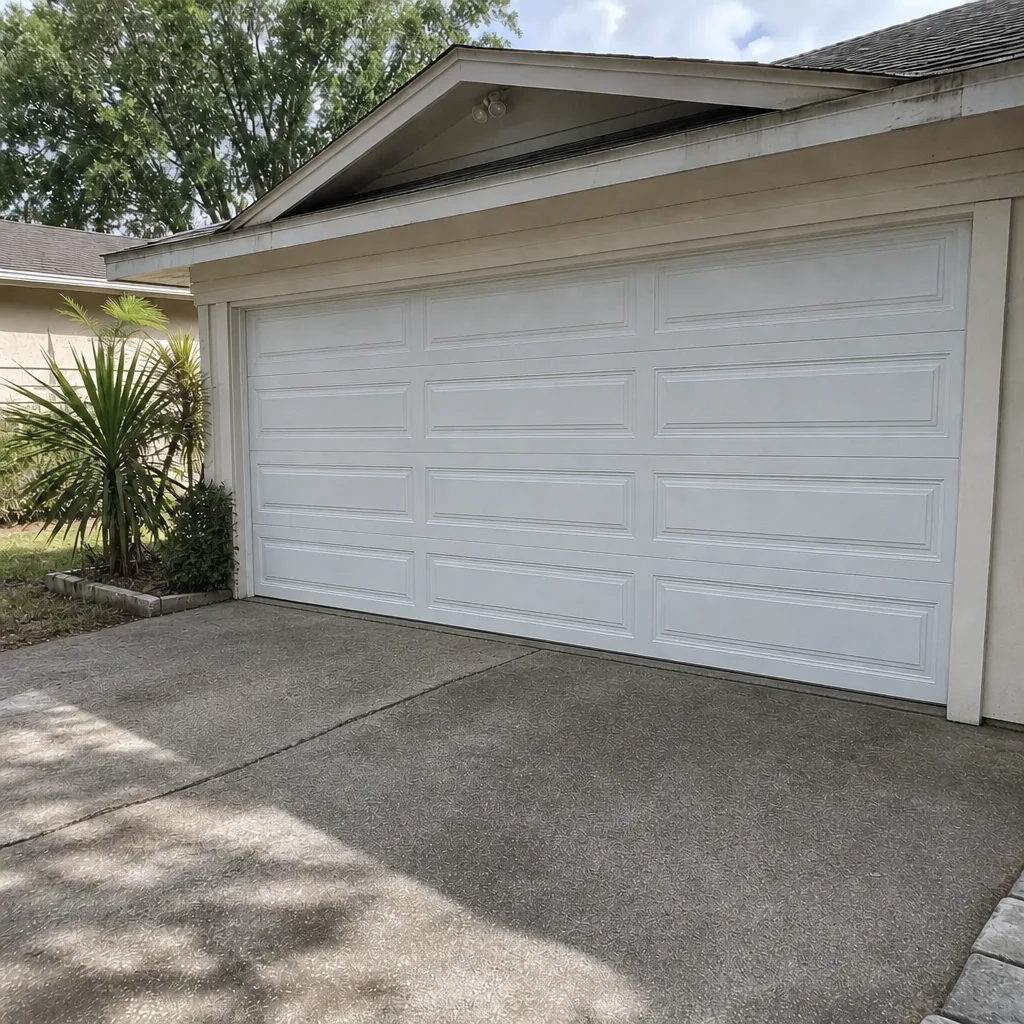 After
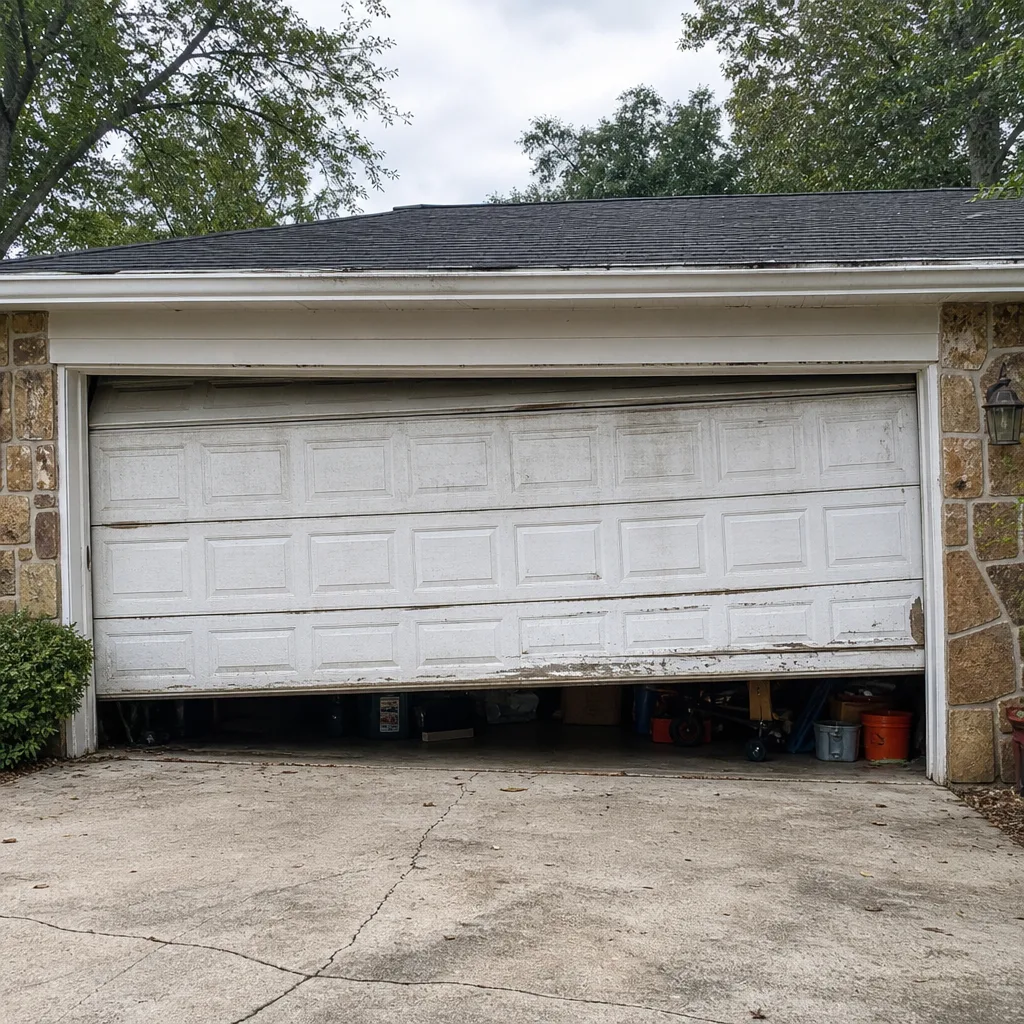 Before
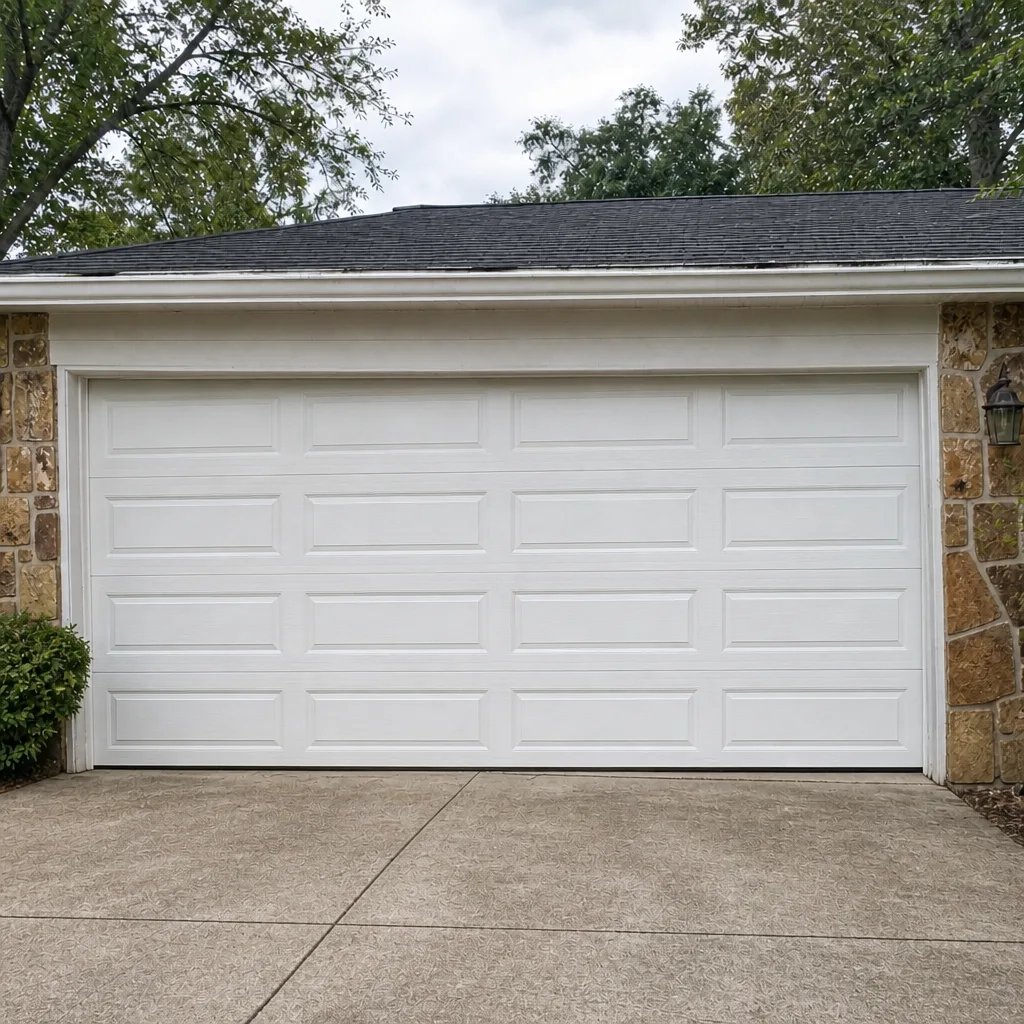 After
When to Call a Professional
Some seasonal checks are things a homeowner can do safely: a visual inspection of the tracks, a look at the weather seal, testing the manual release. The moment the work involves the spring, the cables, or the opener’s electrical components, it’s time to call. Torsion and extension springs are under extreme tension, and a spring or cable that fails while someone is working on it can cause serious injury. The same caution applies to opener wiring and to any work at height on the door itself. These aren’t jobs to learn on.
Call a professional if you see a broken spring, a cable off its drum, a door that binds or falls when tested by hand, a track that’s bent or pulled loose, or an opener that trips its thermal protection repeatedly. Also call if you’re simply not sure what you’re looking at after a storm. Garage Door Repair South Tampa offers free estimates in South Tampa. Call (833) 696-2185. We answer 24/7, with fast dispatch from 7am to 7pm, Sunday through Friday. The price is quoted and agreed before any work starts, and we can work with your insurer on a storm-related claim.
Frequently Asked Questions
The dry window from November through April is the right time for major preventive work in South Tampa, including cable replacement, spring servicing, weatherstripping, and balancing. The reasoning is that you want the door in stable, dry conditions when you’re evaluating how it seals and balances. Finish anything that needs replacing before June 1 so you’re not doing it during an active storm threat. Call (833) 696-2185 for a free estimate, and we’ll help you plan the work around the season.
Before June 1, check the door’s wind rating and any reinforcement hardware, inspect the tracks for bends and loose fasteners, examine the spring and cables for wear, check the weather seal at the bottom and sides, test the manual release, and confirm your opener’s backup if it has one. The goal is to find weak points before a storm tests them, and to do the work in calm conditions rather than during an active storm threat. Call (833) 696-2185 for a pre-season inspection.
Cosmetic damage is a dent or scuff that doesn’t affect how the door operates. Structural damage is anything that affects operation or the door’s ability to hold under wind load, including a bent track, a separated panel, a cable off its drum, a broken spring, or a deformed hinge. The practical test: disconnect the opener and lift the door by hand. If it binds, falls, or hangs unevenly, treat it as structural. Call (833) 696-2185 and we’ll assess it for you.
A door that stops partway in the summer and works again after a pause is often an opener’s thermal protection tripping because the motor is working harder than it should. That can mean the door is binding, the spring tension is off, or the opener is nearing the end of its service life. It’s worth a check before it fails completely, especially during the heat of summer. Call (833) 696-2185 for a free estimate.
Often yes. We provide same-day service for garage door repair in South Tampa, and we can usually get a technician out the same day for a door that’s stuck, a broken spring, or an opener that’s stopped responding. Call (833) 696-2185. We answer 24/7, with fast dispatch from 7am to 7pm, Sunday through Friday. A call outside dispatch hours is booked into the next opening, Sunday through Friday, 7am to 7pm. The price is quoted and agreed before any work starts, so there are no surprises when the job is done.
We work on eight of the most widely installed garage door brands, including LiftMaster, Chamberlain, Genie, Clopay, Amarr, Wayne Dalton, Craftsman, and Raynor. That means we’re working with the actual hardware in your garage, not generic workarounds, whether your seasonal check turns up a spring that needs replacing or an opener that needs its limits adjusted. Call (833) 696-2185 for a free estimate.
The Bottom Line
The northern spring-and-fall maintenance calendar doesn’t fit South Tampa, where the damaging season is the hurricane season from June through November and the heat and humidity that come with it. Build your routine around the dry window from November through April for preventive work, a hard pre-season check before June 1, and a post-storm inspection after every named system. Watch for the summer symptoms: an opener that trips its thermal protection, a door that binds as the day heats up, or a door that closes hard at the bottom. And when the work involves springs, cables, or the opener’s electrical components, call a professional. We work on the brand already in your garage, from LiftMaster openers to Clopay and Amarr doors, and we treat spring repair as core work, not an add-on. Call (833) 696-2185 for a free estimate. We answer 24/7, with fast dispatch from 7am to 7pm, Sunday through Friday. The price is quoted and agreed before any work starts.
For the full range of work we handle, start with Garage Door Repair South Tampa, our garage door repair page, our garage door opener repair service, or our garage door installation page. If your seasonal check turns up something that needs attention, one call covers it.
Written by the team at Garage Door Repair South Tampa.