
Last updated November 22, 2026
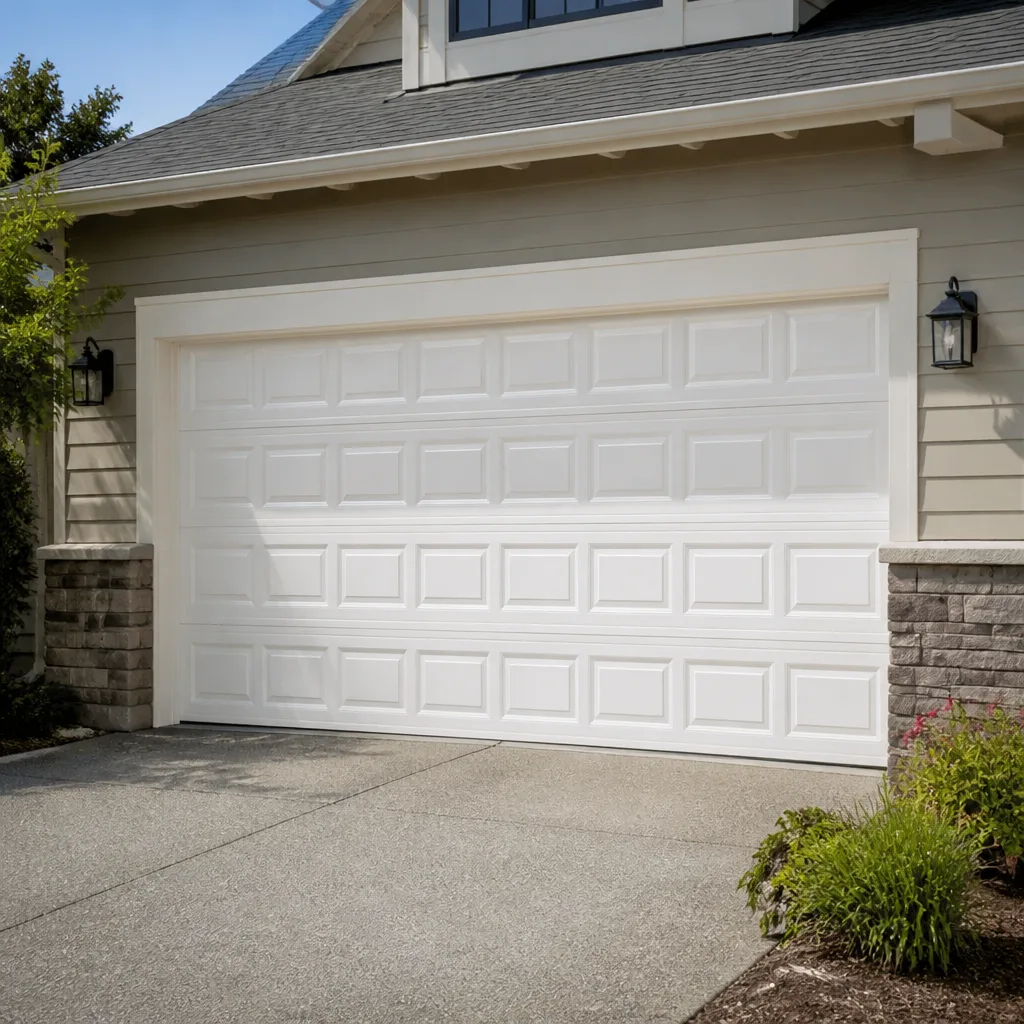 Raised-panel steel
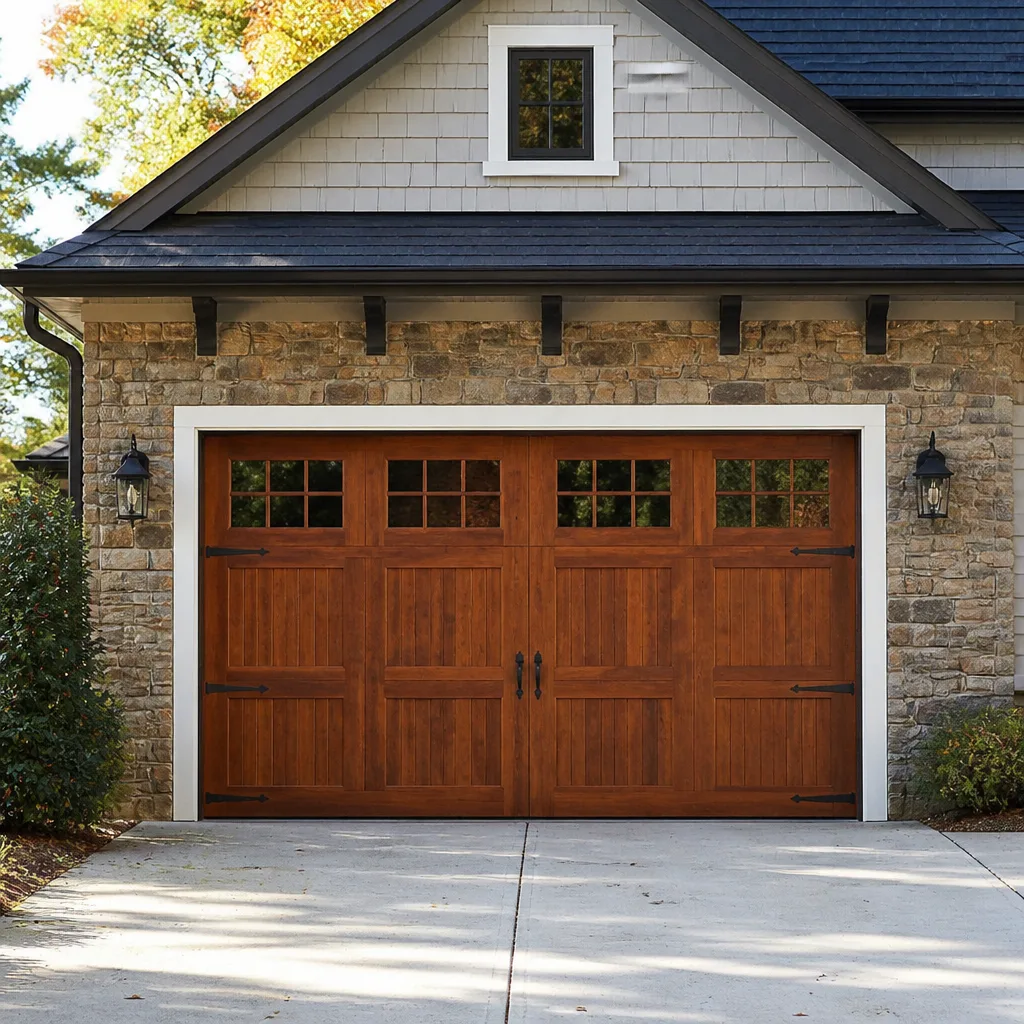 Carriage house
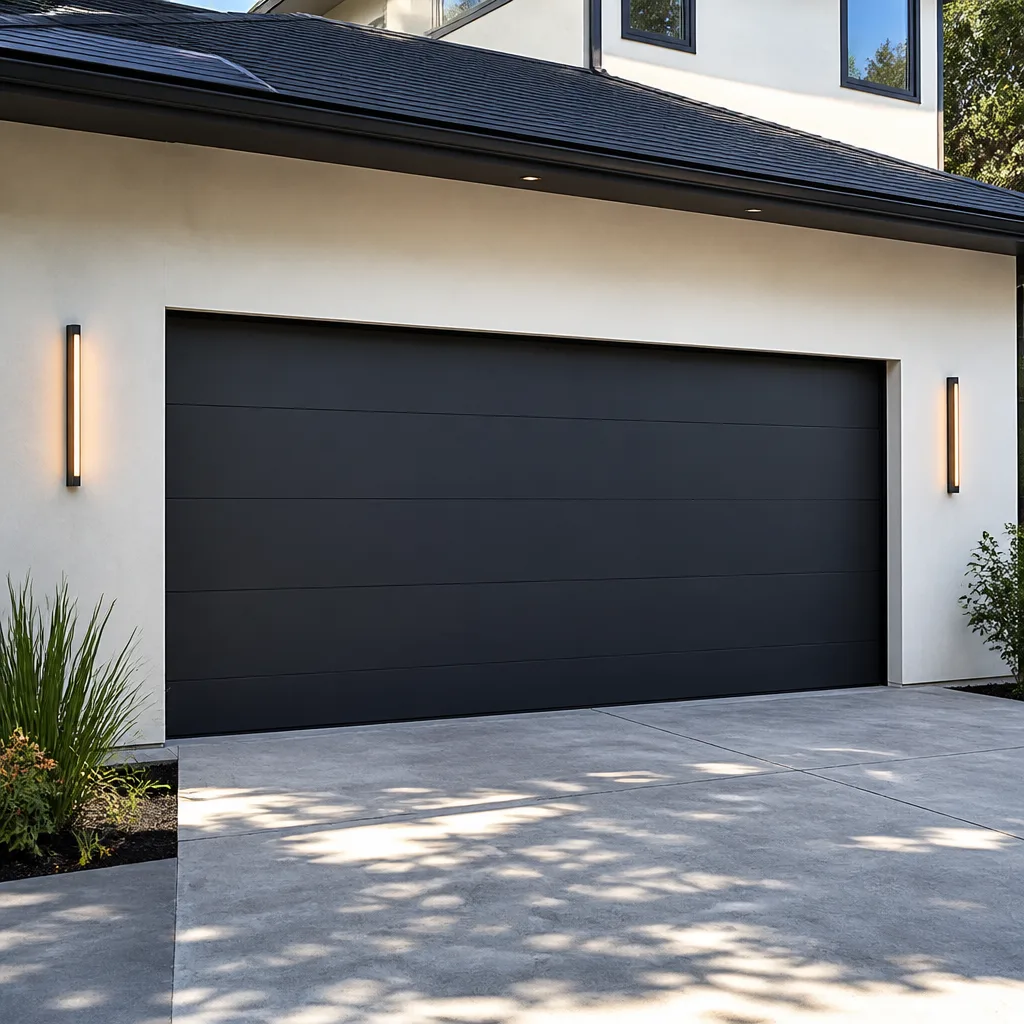 Modern flush
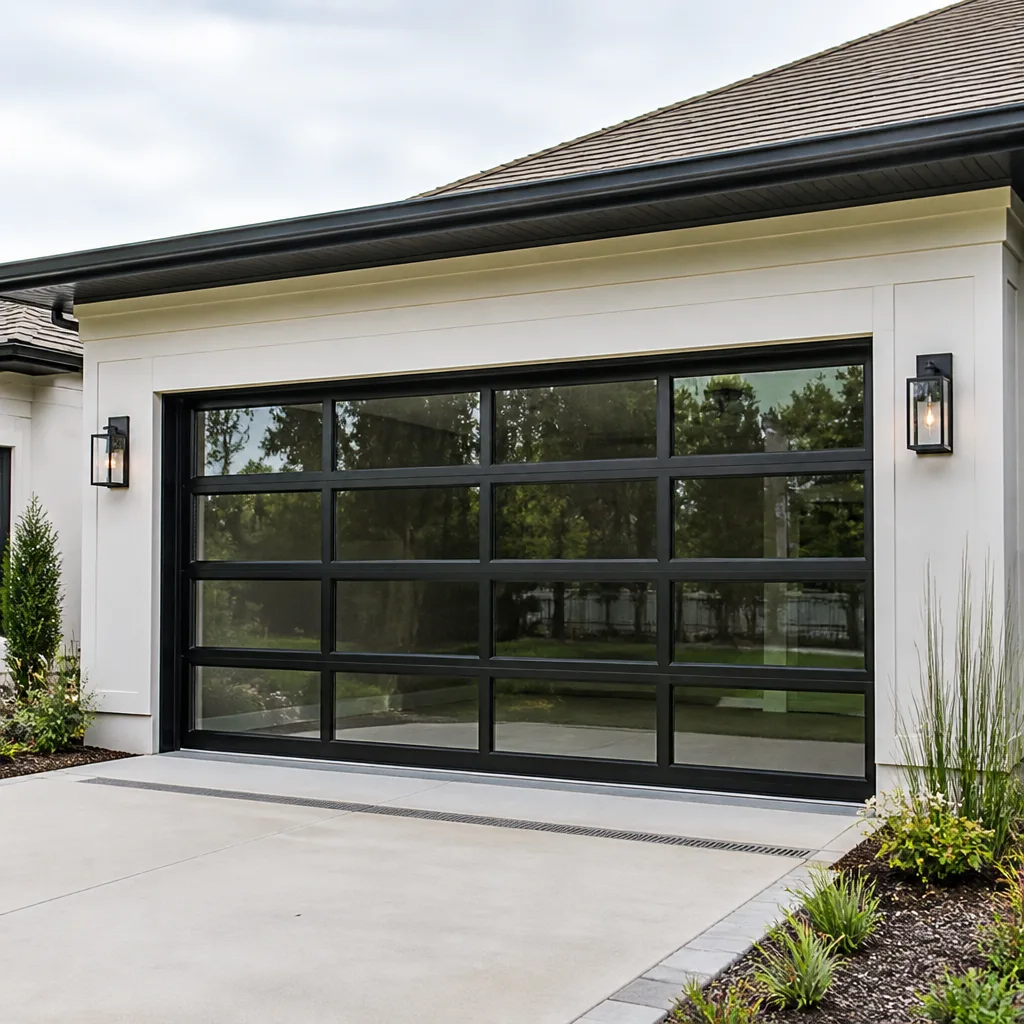 Full-view glass
 LiftMaster openers
 Chamberlain openers
Full 25-point door and opener safety check with every visit - springs, cables, rollers, tracks, and your LiftMaster or Chamberlain opener included
You get a price before we start. It does not change when the pro arrives.
Get your free estimateGarage Door Warning Signs: A South Tampa Homeowner’s Reference Guide
Most garage doors don’t fail without warning. They telegraph what’s coming for weeks, sometimes months, and almost every homeowner walks past the signals because they don’t know how to read them. The door gets a little louder. The opener works a bit harder. A coil gap opens up. None of it looks urgent until the morning the door won’t open at all. We wrote this guide to change that. What follows is the same diagnostic logic our technicians apply when they walk into a garage in South Tampa, laid out so you can read your own door like a professional – and know the difference between a symptom you can monitor and one that needs attention today.
Quick Answer
The most important garage door warning signs are abnormal sounds (grinding, popping, scraping), a door that moves slowly or hesitates, visible sag or asymmetry, gaps in the spring coils, and frayed cables – and any one of them is worth a professional inspection before it becomes a failure. In South Tampa’s humid climate, rust on springs and tracks is its own warning sign: rust weakens metal over time and shortens the working life of the components holding your door up. If you notice a snapped spring, a cable that has dropped off its drum, or a door hanging crooked in the opening, stop using the door and call a technician.
Styles & brands we work with
- Raised-panel steel
- Carriage house
- Modern flush
- Full-view glass
- LiftMaster openers
- Chamberlain openers
Table of Contents
- How warning signs turn into failures
- The symptom-to-cause diagnostic matrix
- Watch it vs. fix it: the triage framework
- Humidity, rust, and South Tampa-specific warning signs
- Cosmetic wear vs. structural failure
- Common misdiagnoses and how to avoid them
- What a professional inspection actually checks
- What warning-sign repairs typically cost in South Tampa
How Warning Signs Turn Into Failures
A garage door is a balanced system, and balance is everything. The springs carry the weight; the opener mostly just guides the door up and down. The torsion or extension springs are sized to the exact weight of your door, and the cables, drums, rollers, and hinges distribute that load. When any component drifts out of spec – a spring loses tension, a roller flattens and drags, a cable starts to fray – the whole system has to compensate. That compensation is what you hear. It’s also what you see. A door that used to move smoothly and now hesitates is doing extra work to overcome added friction, and the part causing that friction is failing.
This is why a warning sign is not cosmetic, even when it looks cosmetic. A grinding noise from above your head is usually rollers or a curved track. A sharp pop when the door starts moving is often a cable jumping its drum or a hinge under excessive strain. Scraping along the floor or frame points to a track out of alignment or a door that has shifted. Each sound maps to a specific component, and in our experience the earlier that component is caught, the simpler and cheaper the repair. A worn roller is a small job. A worn roller that has distorted the track and strained the opener motor is not.
For South Tampa homeowners, the annual cycle matters here. Doors sit closed through hot, humid afternoons and open and close on a schedule of school runs, groceries, and commutes. That humidity is not just uncomfortable – it works on the metal components, especially the springs and the track, and it accelerates wear in a way drier climates don’t see. Reading the warning signs correctly means understanding this, so bookmark a trusted repair resource before you actually need it.
The Symptom-to-Cause Diagnostic Matrix
When our technicians evaluate a door, they’re mapping what the homeowner reports to a short list of probable causes. You can do the same with the table below. Match the symptom to the most likely cause, then use the triage framework further down to decide how quickly it needs attention. This is the single most useful reference in this guide – keep it handy.
- Grinding noise while the door moves: Worn or dry rollers, a bent track section, or a track that has pulled out of alignment. Grinding usually gets louder as the door travels, and is often the first sign of a roller that has locked up and is now dragging.
- Sharp popping or snapping during travel: A cable jumping its drum, a hinge under heavy strain, or a torsion spring losing coils. Popping that happens at one specific point in the door’s travel is usually mechanical and worth a same-day look.
- Scraping along the floor or door frame: A track out of alignment, a door that has shifted on its hinges, or a roller that has worn flat. Run a hand along the track and see if the wheels spin freely.
- Door moves slowly or hesitates at the start: Added friction somewhere in the system – usually rollers, hinges, or a torsion spring that has lost tension. A hesitant start is a friction signature, and the friction always has a source.
- Door reverses before closing: Misaligned safety sensors, a bind in the track, or an opener hitting its travel limits. Sensors are the easiest thing to rule out first.
- Visible sag across the top of the door: A weakened torsion spring or extension springs that are no longer matched to the door’s weight. Sag is structural and does not fix itself.
- Gaps between spring coils: A torsion spring that has stretched and is losing tension. Coil gaps mean the spring is now working unevenly and will eventually fail.
- Frayed cables or cables hanging off the drum: Cable failure or a drum that has come loose. Any sign of a dropped cable should stop you using the door.
- Rust on springs or tracks: In South Tampa humidity, rust on load-bearing components means corroded metal that is now weaker than it was designed to be. Severe rust on a spring reduces its working life.
If you find two or more symptoms lining up at once – say, grinding plus slow travel plus a coil gap – you’re not dealing with a coincidence. A single failing component is often the common cause. That’s exactly when an experienced technician’s diagnosis saves you from paying to fix the same problem twice.
Watch It vs. Fix It: The Triage Framework
Not every warning sign means your door is about to fail. Some allow a scheduled appointment in the coming week or so, and some genuinely need attention today. Knowing which is which is the whole point of this guide. Here’s how to triage what you’ve found.
Schedule an appointment (monitor in the meantime)
- Grinding or squeaking that is new but not accompanied by any change in door travel.
- Slow travel at the start of the cycle, no sag, no popping.
- Light surface rust on a track – check for it spreading before it becomes structural.
- A door that bounces lightly at the bottom on close and needs its travel limits adjusted.
- An opener that has begun to work harder than usual, but the door itself moves smoothly by hand.
Fix it today (stop using the door)
- A snapped torsion or extension spring. A door on a broken spring is under unbalanced load and should not be operated by the opener.
- A cable that has jumped its drum, dropped off, or shows significant fraying.
- A door that is visibly crooked in the opening or has come out of its track.
- A door that sags badly across the top.
- Any structural bind – the door travels a few inches and stops, or won’t move by hand.
This is the core of what separates an experienced diagnosis from an article that just lists warning signs. Every sign you see is either a cue to schedule a garage door repair or a cue to stop using the door and call for same-day help. Getting that call right protects both your door and the people standing near it. It’s also the fastest way to keep a small repair from turning into a bigger one.
Humidity, Rust, and South Tampa-Specific Warning Signs
South Tampa sits between the bay and the Gulf, and the humidity here puts visible pressure on garage door components that owners in drier regions never see. It matters most on the springs, the track, the hinges, and the rollers. A torsion spring is high-tension steel under a tremendous amount of load. When rust begins to work into the coil, the metal narrows under the same load, and the remaining service life drops accordingly. You may not see the failure coming the way you’d see a frayed cable, but you will see the rust – and that is the warning.
What to look for in a South Tampa garage:
- Rust on the torsion spring: Orange or brown spotting along the coils. If the rust is patchy and light, get it inspected. If the coils are heavily rusted, the spring is a candidate for replacement even before it fails.
- Rust on the track where it meets the floor or frame: The bottom of the track sits near the slab and holds water the longest. Light surface rust is cosmetic; scaling rust is a sign of structural weakening.
- Rust on hinges and the bottom bracket: Hinges that squeal and stop moving freely under load point to corrosion, not just missing lubricant. Hinges that won’t flex mean the door is dragging.
- Uneven track level: Ground movement and repeated expansion and contraction can nudge a track out of plumb. A door that only scrapes periodically is often scraping against a track that has shifted a fraction of an inch.
- Rust-tinted streaks under the springs: A visible rust-colored stain below the spring area is a strong indicator that a spring is deteriorating from the inside out.
In our experience, this is where South Tampa and the surrounding neighborhoods – Hyde Park, Palma Ceia, Bayshore Beautiful – see more spring and hinge wear per year than almost anywhere else. A door that opens and closes cleanly in a drier climate reaches its warning-sign lifespan faster here, especially if it’s a Wayne Dalton or Genie installation where the original metal hardware is still in place. The good news is that rust reading is a very good early-warning system – catch it on the spring and you’re still in the scheduled appointment window. Ignore it and you’ll be looking at a broken spring in the next few months.
Cosmetic Wear vs. Structural Failure
Every door shows wear. The trick is separating the wear that’s just age from the wear that means a component is about to give way. Here’s the split our technicians look for when they open a spring line or run a hand along a track.
Cosmetic wear
- Light gray or brown surface oxidation on the outside of a hinge or roller plate that still rotates freely.
- Paint fade, dents, or scratches on the door panels themselves.
- A slightly dry or dusty track that still runs true and doesn’t bind the wheels.
- Rollers that spin by hand and don’t wobble – even if they’re old.
Structural failure
- Spring coil gaps: Widening gaps between coils on a torsion spring. A healthy spring has tight, uniform coils. Gaps mean the metal is stretched, the spring is losing tension, and it’s on its way to snapping.
- Frayed cables: Cable strands that have begun to separate and fan out at the drum or the bracket. Any fray means the cable is under less load than it’s carrying and can fail.
- Rollers worn flat or out of round: A roller that no longer rolls true is dragging, and that drag is transferred back into the door panels and the track.
- Track sections out of plumb or bent: Even a slight bend creates a bind, and where there’s a bind there’s a component doing more work than it can sustain.
- Loose hinges and worn hinge plates: A hinge that wobbles underhand when the door is closed is no longer distributing load evenly. The next stop is a bent track or a panel that comes loose.
The single strongest distinction: cosmetic wear is surface. Structural failure is load-bearing. If the component carries weight, and it shows wear that a healthy component wouldn’t, treat it as structural. If you’re unsure, take a photo and call. An honest diagnosis from a technician who works on garage doors exclusively is worth more than a second opinion from someone who touches a dozen trades – and it’s the fastest way to know whether the part in front of you is a candidate for repair or for the parts shelf.
Common Misdiagnoses and How to Avoid Them
One of the more common patterns we see in South Tampa is a homeowner who is sure the opener is the problem when it’s actually mechanical, or sure the springs are done when the door just needs its track realigned. The opener is the most common misattribution because it’s the loudest, most visible part of the system. But an opener that’s straining is usually straining against something – a dragging roller, a bending track, a stuck hinge. It’s doing extra work because the door is harder to move than the manufacturer of the opener assumed it would be. In a real opener failure, the electronics stop responding or the motor grows weak without any change in the door. If the door changes how it moves, suspect the door before the opener.
Spring misdiagnosis runs the other way. Homeowners hear a noise and jump to “broken spring” because that’s the story they’ve heard. A door that pops and stops moving may well have a snapped spring, but it can equally be a cable off its drum or a hinge that has failed under load. You don’t want to pay for a spring replacement when the actual issue is a cable – a good technician confirms the diagnosis with a proper inspection before quoting any repair. Here’s how to reduce misdiagnosis:
- Follow the noise. Grinding high in the middle = rollers or track. Popping at the top = cables or springs. Scraping low = track or bottom bracket.
- Look at the door, not the opener. If the door moves smoothly by hand, the opener and mechanicals are usually fine. If it doesn’t, the problem is mechanical.
- Check the springs visually before quoting spring work. A broken torsion spring shows an obvious gap in the coil. If the coil is intact, look elsewhere first.
- Test the opener in isolation. If the opener hums but the door doesn’t move, the opener is trying – the door is preventing it.
- Stop diagnosing the moment you’re unsure. Springs and cables are load-bearing and under extreme tension. Put down the tools, step away, and call a professional.
If your opener is genuinely the problem, an opener repair specialist can confirm that quickly. If you’re getting an intermittent or failed garage door opener repair diagnosis, it’s usually worth checking the mechanicals first – because if the door isn’t running smoothly, no opener is going to fix it. This is also where our focus pays off: every technician works on garage doors exclusively, so the diagnostic path here isn’t a guess.
What a Professional Inspection Actually Checks
A proper inspection isn’t a walk-around. It’s a short but specific diagnostic sequence, and you can follow along on your own door – though please stop the moment your inspection would require touching a spring or a cable. That’s where things get genuinely dangerous.
- The balance test. Close the door, disconnect the opener (the release handle hangs from the trolley), and lift the door to about halfway. A balanced door stays put. A door that falls shut has weak springs and needs them adjusted or replaced.
- The manual travel test. With the door disconnected, lift and lower it by hand. It should move smoothly and easily. Any bind, drag, or grinding is mechanical.
- Spring inspection. Check for coil gaps, rust, and snapped springs. Do not attempt to touch, adjust, or unwind a torsion spring – they’re under extreme tension and are one of the most hazardous components to touch in a home. Same for cables. This step is visual only.
- Cable inspection. Look for fraying, kinked cable, or cable hanging loose off the drum. Stop and call if you see any.
- Roller and hinge check. Rollers should spin by hand. Hinges should flex without wobbling. Replace any that don’t.
- Track check. Track should be straight, plumb, and free of impact damage. Look for rub marks where a roller has been dragging.
- Opener and sensor check. Safety sensors should be aligned and unobstructed. Listen for any change in the opener motor’s pitch – a motor that suddenly sounds labored is usually responding to friction.
An inspection is fast, and when the outcome is a simple part replacement, we can source components directly – the specific roller, hinge, or bracket that fits the door already in your garage, rather than a substitute. That’s often the difference between a same-week fix and a full replacement you didn’t need. If the diagnosis points to the whole door, we’ll tell you that plainly too.
What Warning-Sign Repairs Typically Cost in South Tampa
Understanding the ballpark before you call makes the conversation easier, and it’s the right way to frame a cost question: the written estimate sets the final price after the technician has actually seen the door. Below are typical ranges you’ll see for warning-sign repairs in South Tampa. A spring price is for one spring; a matched pair is usually replaced together, so a pair costs about double the single-spring range.
- Single torsion or extension spring replacement: typically $180 to $340 per spring. A matched pair is usually replaced together and runs about $360 to $680 total.
- Roller replacement (per roller): typically $10 to $25 in parts, and most doors see 10 to 12 rollers replaced as a set.
- Hinge replacement (per hinge): typically $8 to $20 in parts; hinges are usually replaced in matched pairs.
- Track realignment: typically $90 to $200 depending on whether the track needs bending back or a full section replaced.
- Cable replacement (one or both): typically $100 to $200 for a single cable, and a pair is often the right move.
- Opener travel limit adjustment or sensor alignment: typically $80 to $160. A full opener motor replacement is a separate category.
- Full door service and tune-up: typically $100 to $200, and it’s the cheapest way to catch warning signs before they become repairs.
For a more detailed breakdown of what different repair categories run, and to understand the range for a full replacement (typically considerably more than repair work), a good place to start is a written estimate from a specialist. If the inspection finds that you’re best served by a new door, we can walk through the current product lines – Clopay and Amarr both make mid-range residential options that suit a South Tampa home well – and quote a fixed garage door installation price after we’ve measured. But in most cases, catching a warning sign early avoids that conversation entirely.
On timing: spring replacements and roller swaps are same-day jobs when we’re not waiting on a specialty part. If you can hear the problem today, call today. The price is quoted and agreed before any work starts, and the written estimate is what you pay.
Common Mistakes to Avoid
- Ignoring a grinding noise because the door still opens. The door still opening is exactly the window you want. Grinding is friction, friction is wear, and the part causing it keeps failing while the door keeps moving.
- Trying to adjust a torsion spring yourself. This is the single most hazardous thing a homeowner can attempt on a garage door. These are load-bearing and under extreme tension. Call a professional. Every time.
- Replacing the opener when the door is the problem. If the door doesn’t move smoothly by hand, the opener isn’t the issue. Doing this twice – new opener, then the real repair – is an expensive way to learn.
- Assuming rust is just cosmetic. In South Tampa’s humidity, rust on a load-bearing spring or a hinge is a countdown, not a color. A heavily rusted spring should be inspected before it snaps.
- Using the opener on a door with a suspected broken spring. Once you suspect a broken spring, disconnect the opener and stop using the door until a technician has assessed it. The opener will force a door that’s under unbalanced load, and it will strain the cables, drum, and panels.
- Calling a generalist for a specialist’s job. A handyman can diagnose a dripping tap. A garage door is a weight-bearing system with high-tension components. Confirm the person you call works on garage doors exclusively.
- Skipping the annual inspection because the door “seems fine.” A yearly service catches the warning signs before they become costs. It’s the cheapest line item on the maintenance list.
See the difference
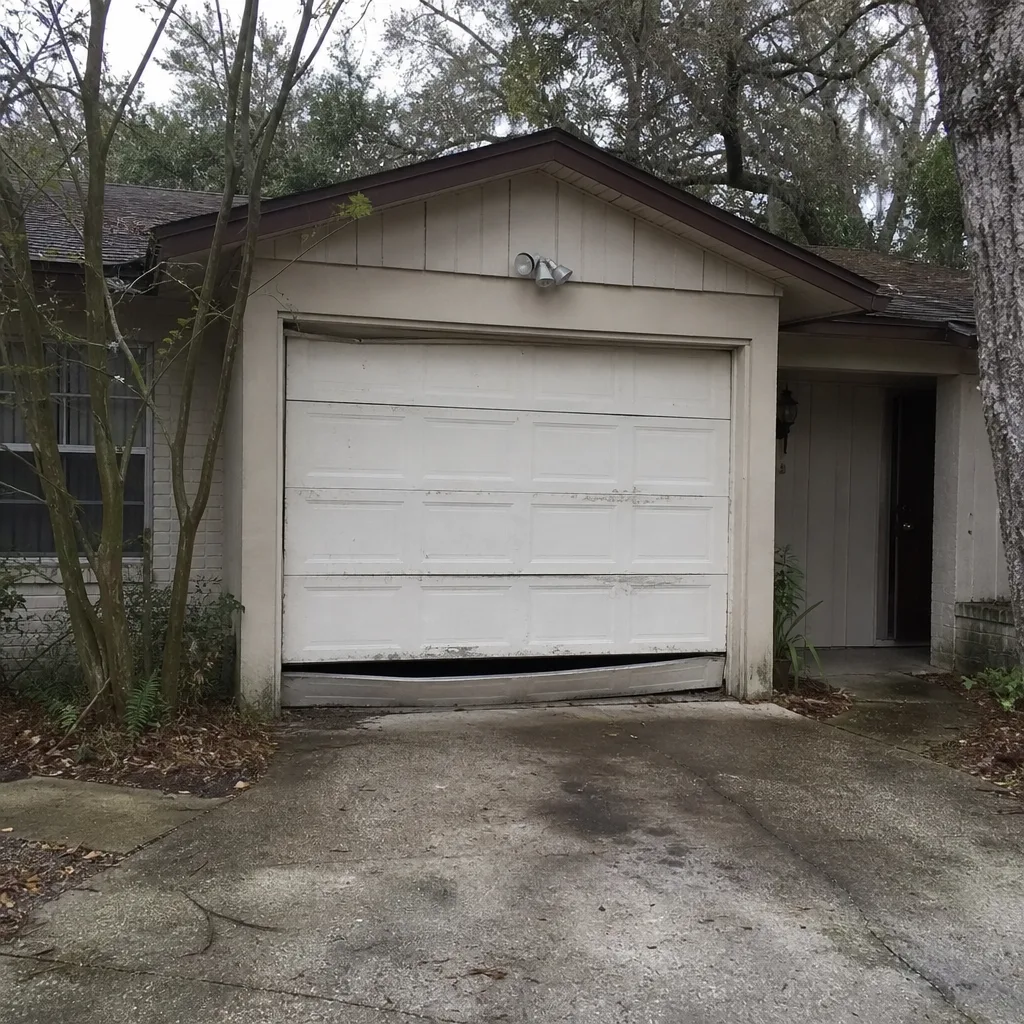 Before
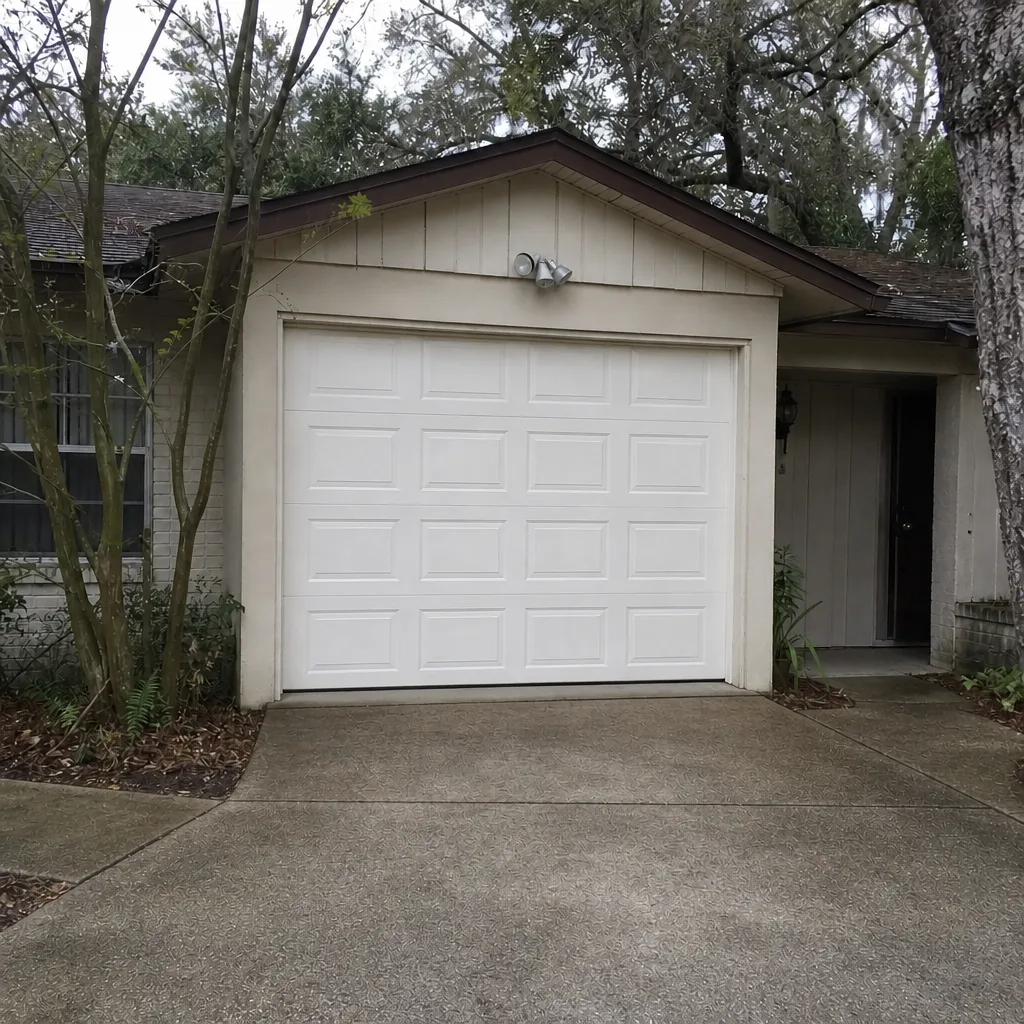 After
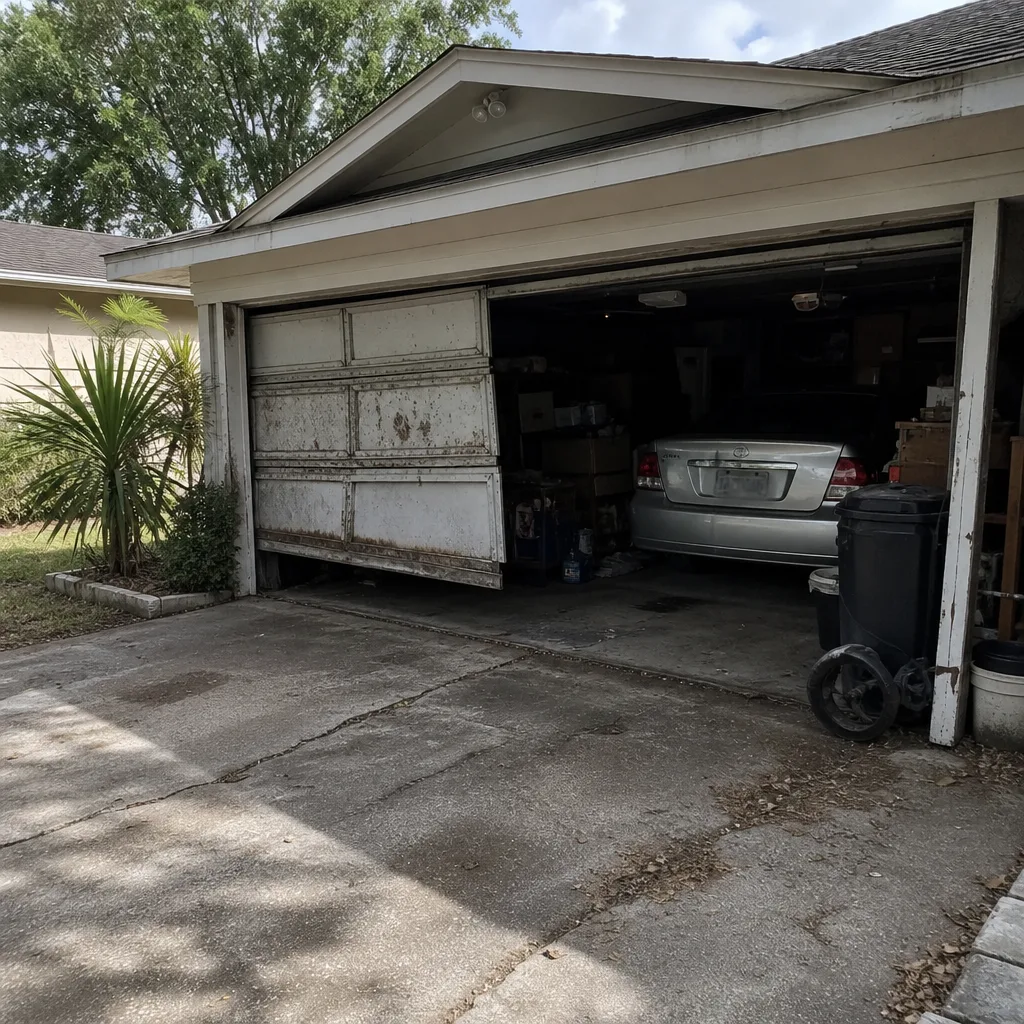 Before
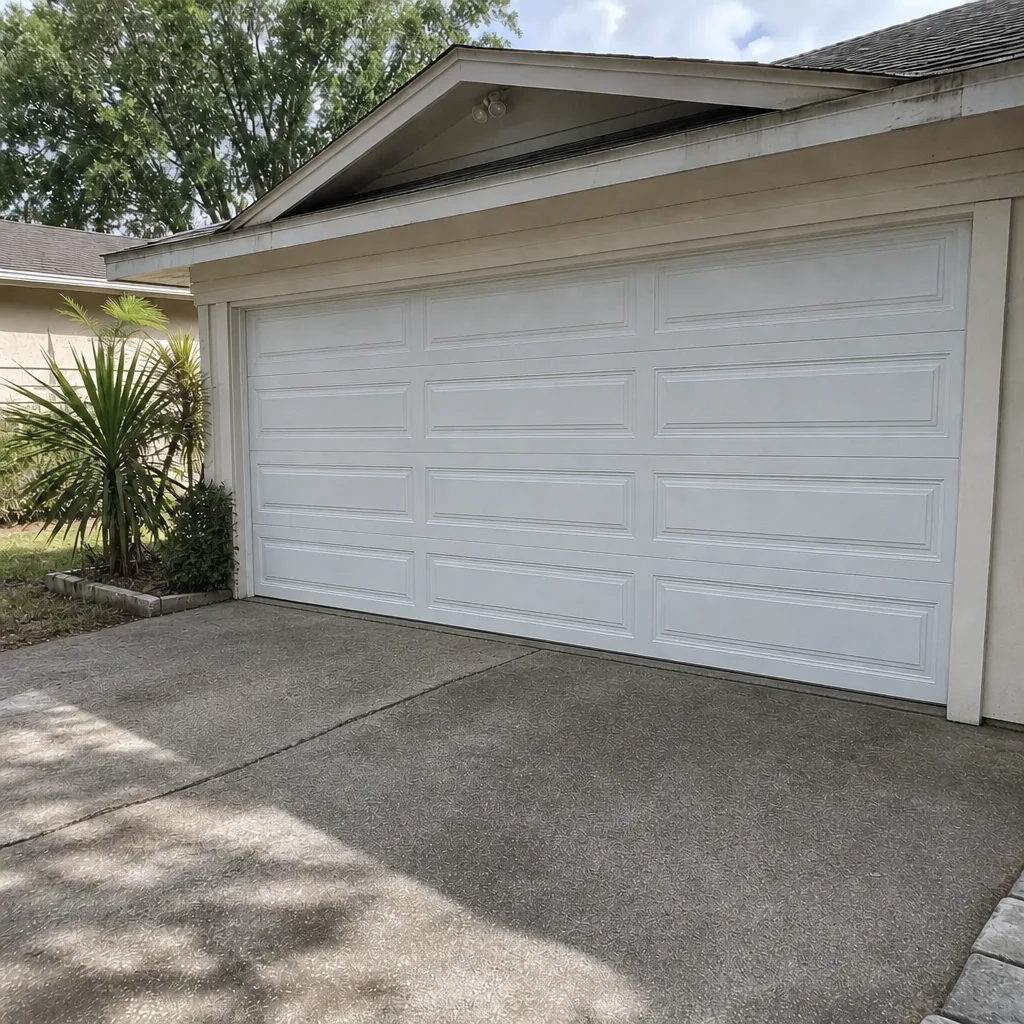 After
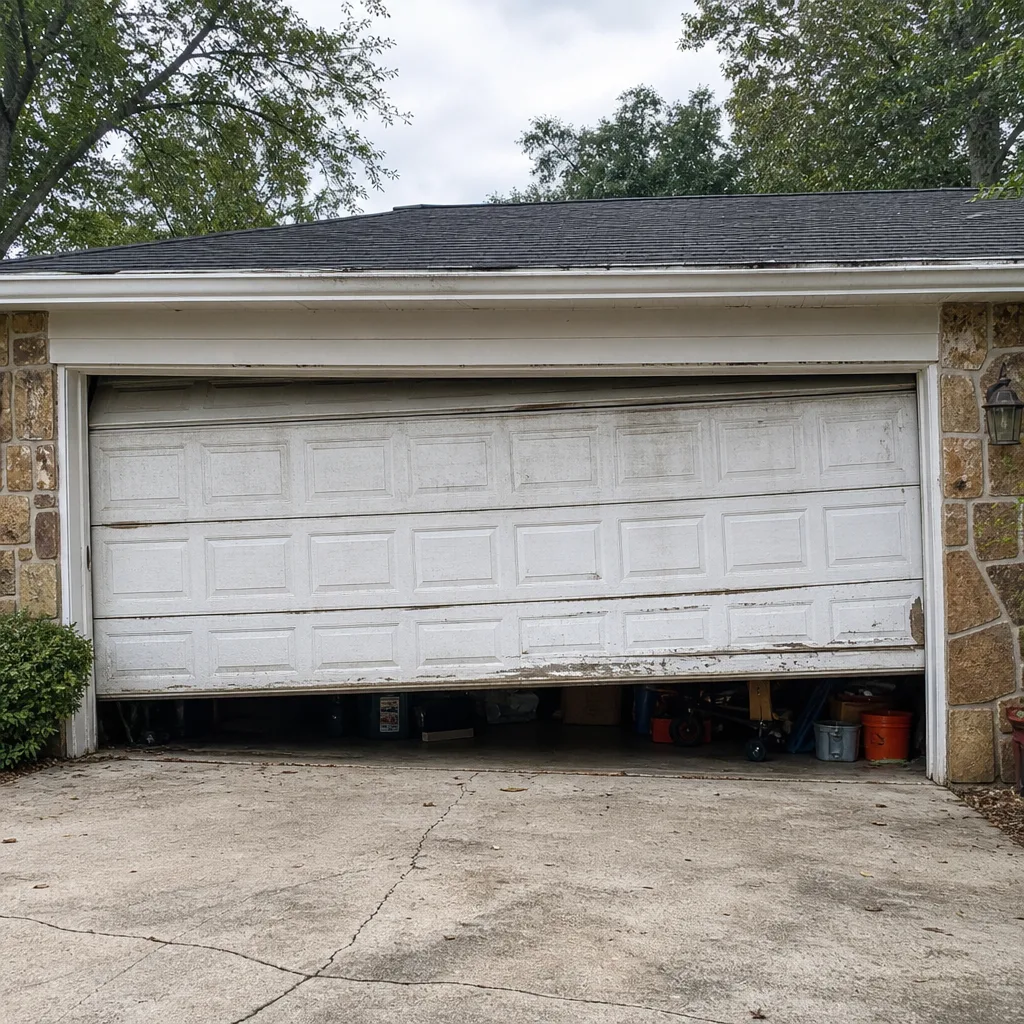 Before
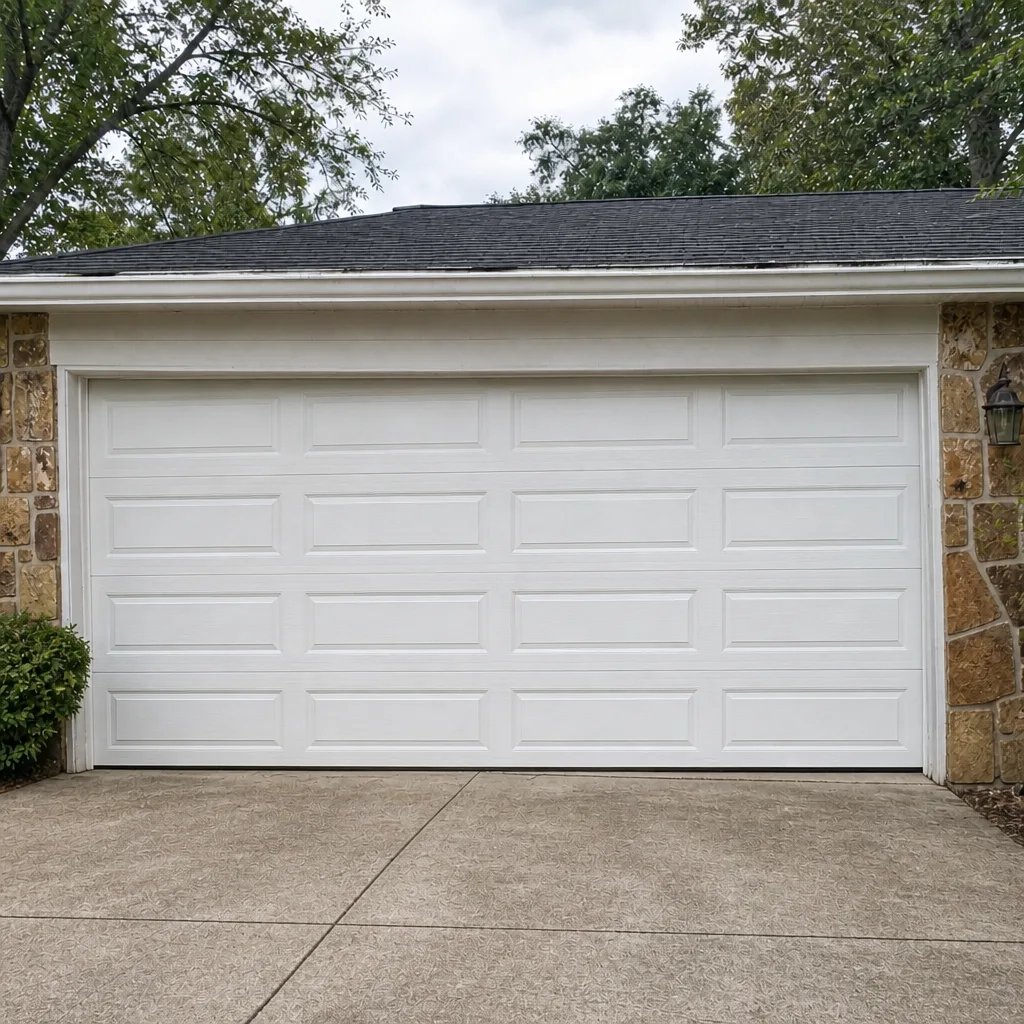 After
When to Call a Professional
Call a professional the moment you see any of the following: a snapped spring, a cable that has jumped or dropped off its drum, a door that is visibly crooked or off its track, a door that won’t move by hand, or any structural bind that stops the door mid-travel. These are same-day situations, and using the door further risks damage to the panels, the cables, and the opener motor. If you find light rust on a spring, a coil gap that is widening, or a grinding noise that has started in the last week, that’s a scheduled appointment – not an emergency, but not something to leave for months. And if you’re simply unsure whether what you’re hearing is a rolling roller or a dying spring, call. The diagnosis is fast, the safety difference is huge, and it’s the best way to know whether you’re facing a roller swap or a spring replacement.
Garage Door Repair South Tampa offers free estimates in South Tampa – call (833) 696-2185.
Frequently Asked Questions
The most common warning signs are abnormal sounds (grinding, popping, scraping), a door that moves slowly or hesitates, visible sag or asymmetry in the door, gaps between torsion spring coils, frayed cables, and rust on load-bearing components. In South Tampa, rust on springs and tracks is a particularly important sign because the humidity accelerates wear. Any one of these is worth a professional inspection.
Spring replacement typically costs $180 to $340 per spring in South Tampa. A matched pair is usually replaced together and runs about $360 to $680 total. The written estimate sets the final price. Call (833) 696-2185 for an exact quote – estimates are free.
No. A door on a broken spring is under unbalanced load. Using the opener or lifting the door by hand can strain the cables, drum, and panels, and the door can come down on you. Disconnect the opener and stop using the door until a technician has assessed it. Call (833) 696-2185 and we’ll book the earliest available visit.
Disconnect the opener (the release handle hangs from the trolley) and move the door by hand. If it moves smoothly and easily, the door and mechanicals are fine, and the problem is likely the opener. If the door drags, binds, or won’t move, the problem is mechanical, and no opener is going to fix it. Call (833) 696-2185 for a diagnosis – estimates are free.
Yes. South Tampa’s humidity works on load-bearing steel, and a spring with visible rust has lost some of its working life. Light surface spotting is worth an inspection. Heavy or scaling rust on a torsion spring is a strong candidate for replacement. Call (833) 696-2185 to schedule an inspection – estimates are free.
The local professionals we connect you with are licensed and insured as their state requires, and our technicians have up to 12 years of experience on garage door systems specifically. The written quote is agreed before any work starts, and the price is set by that written estimate. Call (833) 696-2185 for a free estimate.
The Bottom Line
A garage door is a weight-bearing system, and it wears in a predictable way. The grinding you hear first, the coil gap that widens, the rust that creeps into a spring, the hesitation that starts on the first cold morning of the season – these are the door telling you which component needs attention, and how soon. The South Tampa climate makes reading those signals more important, because the humidity shortens the life of the metal components. Read your door like a technician: match the symptom to a cause, decide whether it’s a scheduled appointment or a stop-and-call, and act early. The cheapest repair on your door is always the one you caught when it started.
Call (833) 696-2185. We answer 24/7. Fast dispatch, 7am-7pm, Sunday through Friday. Free estimates on every inspection, and the written quote is the price you pay. Garage doors, exclusively – the brand already in your garage, serviced by technicians who know it.
Written by the team at Garage Door Repair South Tampa.