
Last updated November 22, 2026
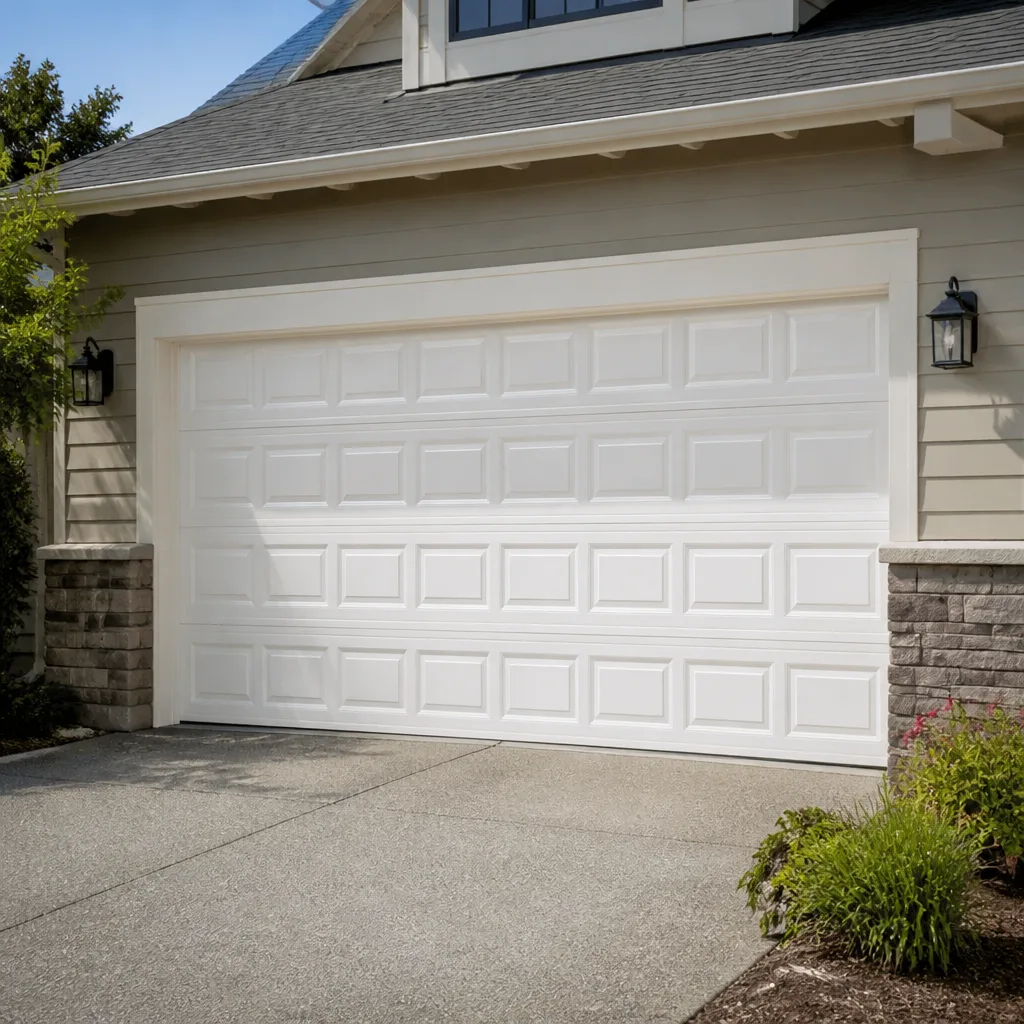 Raised-panel steel
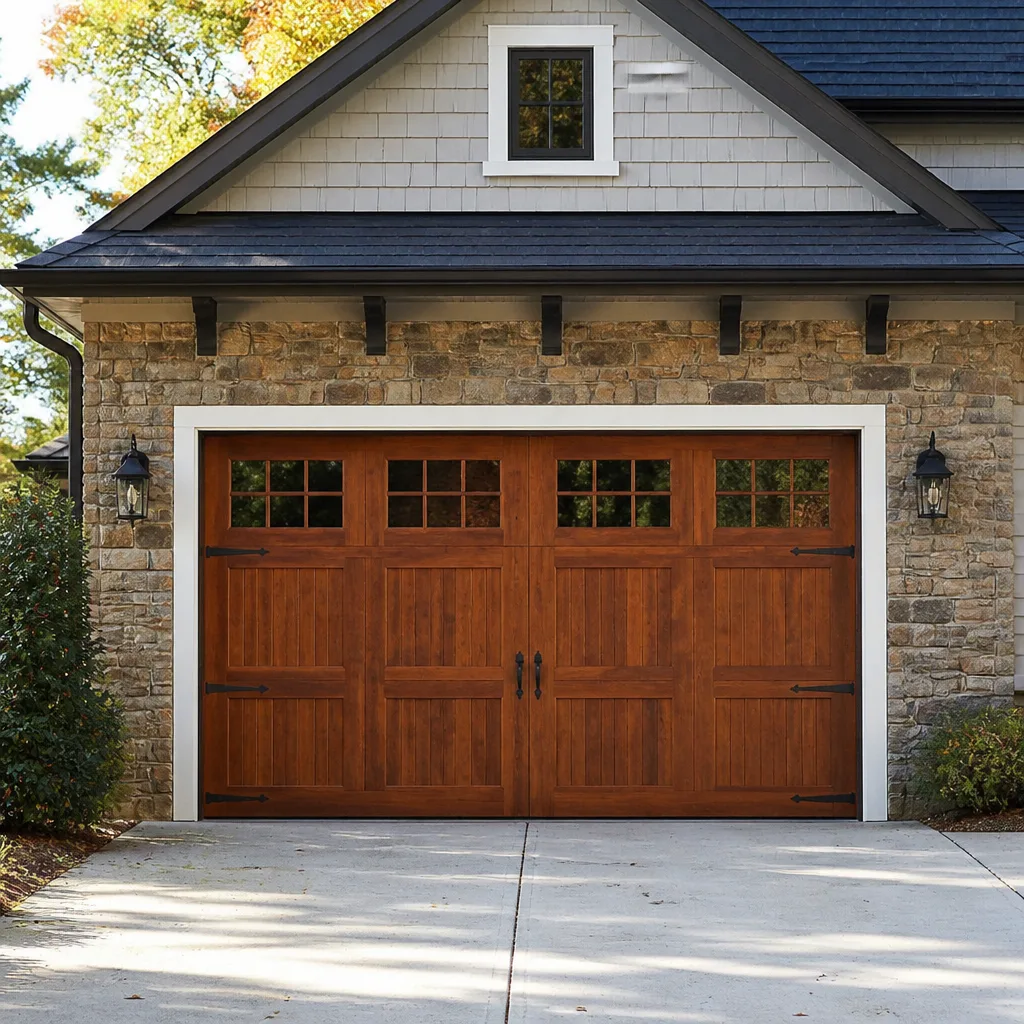 Carriage house
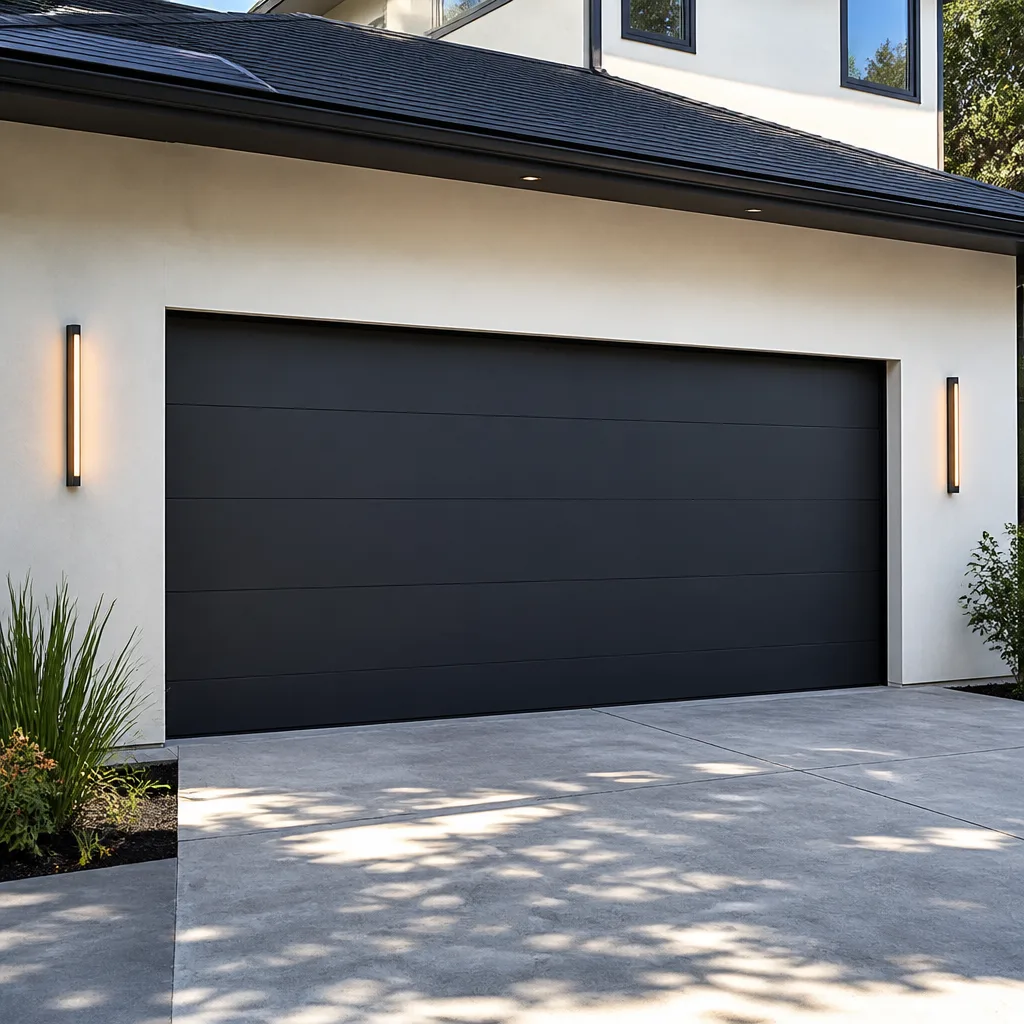 Modern flush
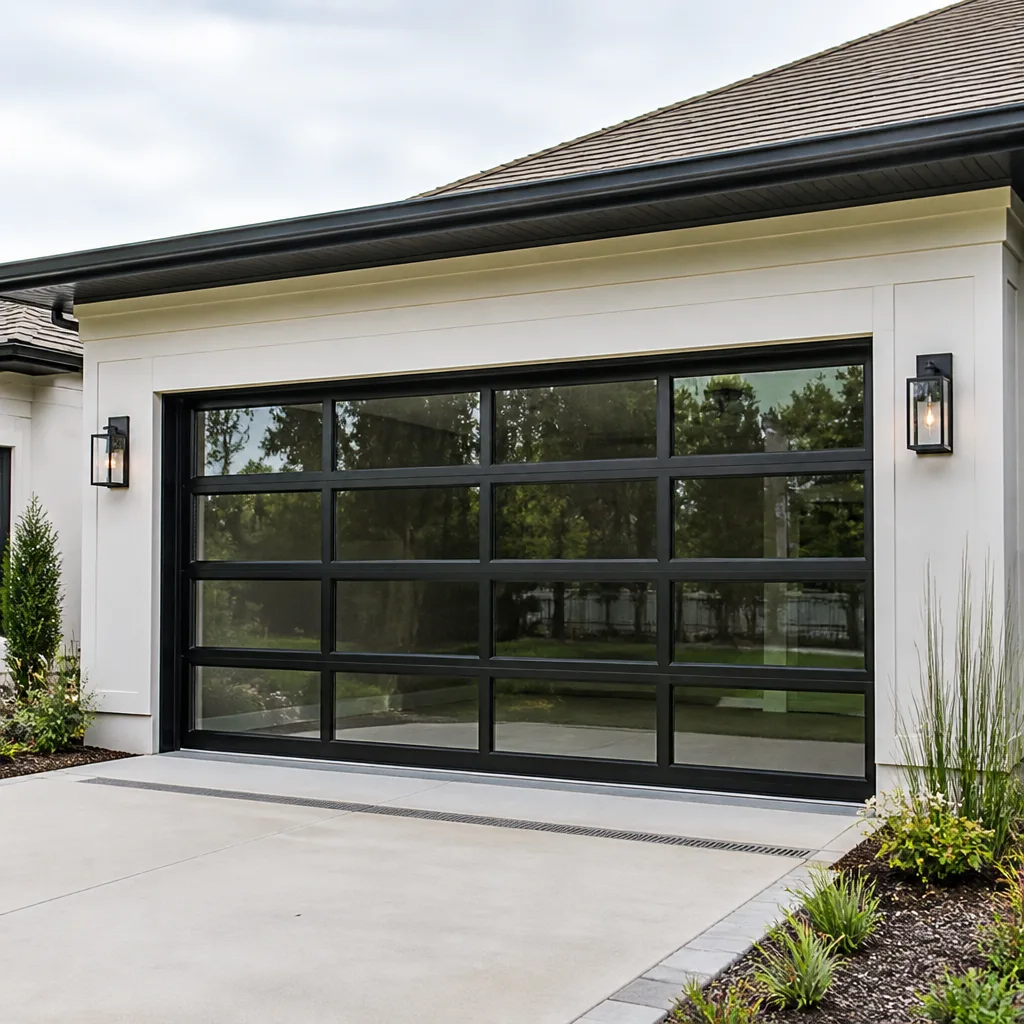 Full-view glass
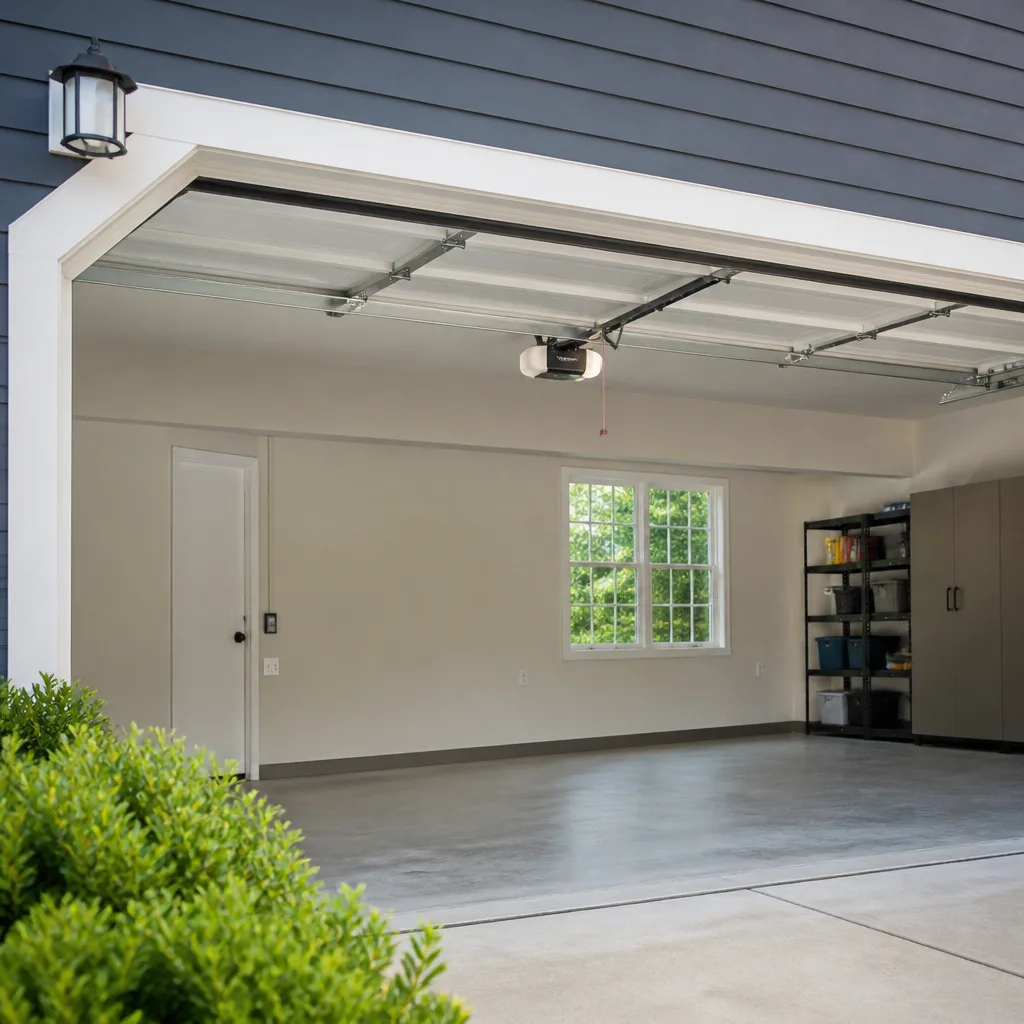 LiftMaster openers
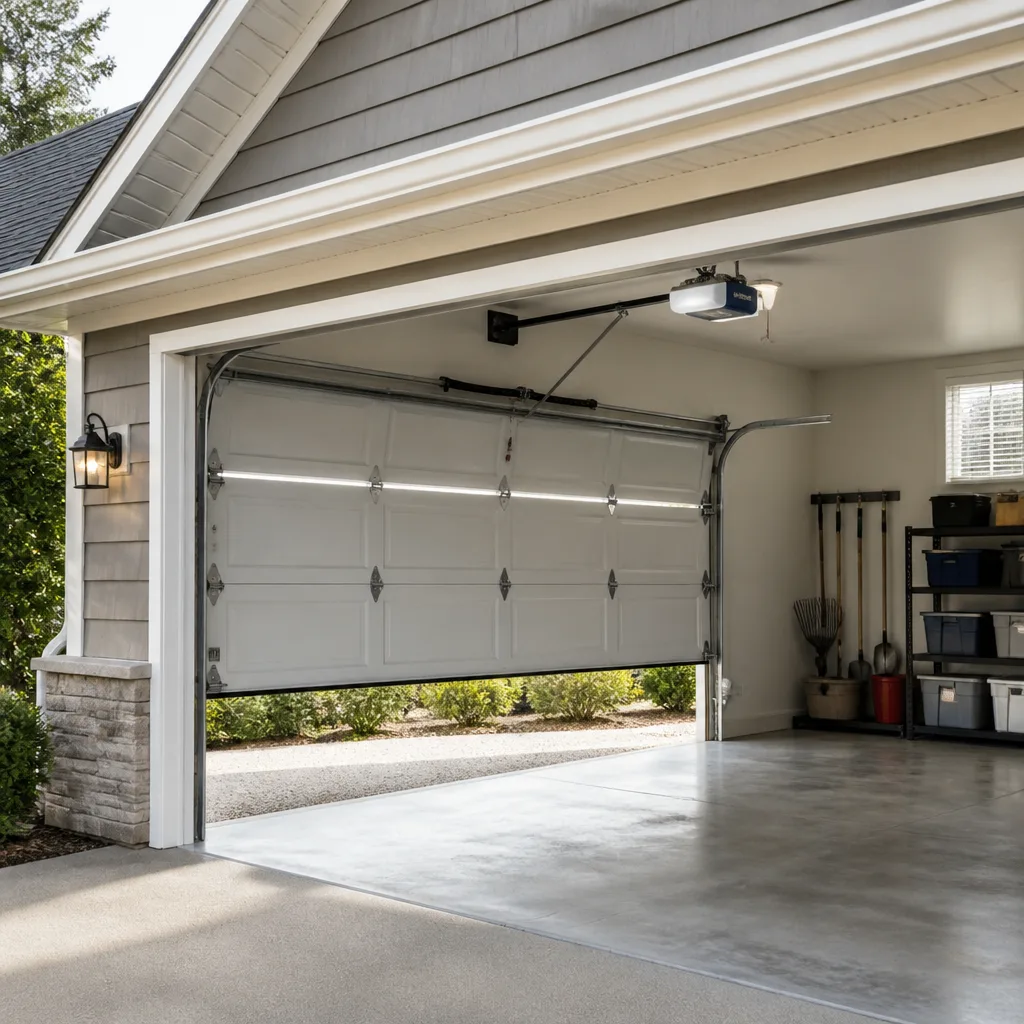 Chamberlain openers
Full 25-point door and opener safety check with every visit - springs, cables, rollers, tracks, and your LiftMaster or Chamberlain opener included
You get a price before we start. It does not change when the pro arrives.
Get your free estimateHow to Hire a Garage Door Contractor in South Tampa: A Step-by-Step Guide
If a contractor quotes your South Tampa garage door job without asking about your home’s wind-load zone or mentioning permit requirements, that’s not a shortcut. It’s a signal. A garage door in this part of Florida is a structural opening rated for wind pressure, and an installation that skips the paperwork can leave you with a door your insurer won’t stand behind when it matters. Most homeowners shop this decision on price alone and never learn the difference until a claim gets denied or a spring lets go. This guide walks through licensing, verification, quote comparison, and the five questions that separate a real contractor from a generalist with a hammer. You’ll finish knowing exactly how to hire a garage door contractor in South Tampa without gambling on the outcome.
Styles & brands we work with
- Raised-panel steel
- Carriage house
- Modern flush
- Full-view glass
- LiftMaster openers
- Chamberlain openers
Quick Answer
To hire a garage door contractor in South Tampa, verify the contractor’s state license through the Florida DBPR lookup, confirm who is pulling the permit, ask for the wind-load rating of the door being proposed, and insist on an itemized written quote that separates labor, parts, and permit costs. A qualified contractor answers all four without hesitation; hesitation is your answer.
Table of Contents
- Why a Garage Door Is Not a General Handyman Job
- Florida Licensing: What to Verify Before You Sign
- The Five Questions to Ask Before Accepting Any Quote
- How to Read and Compare Itemized Quotes
- Red Flags Unique to the South Tampa Market
- Insurance and Workmanship Warranties: What Minimums to Look For
- Hiring for Spring Repair Specifically
- Repair or Replace? A Decision Framework
- Common Mistakes to Avoid
- When to Call a Professional
- Frequently Asked Questions
- The Bottom Line
Why a Garage Door Is Not a General Handyman Job
A garage door is the largest moving object in a house, and it’s also the heaviest thing most homeowners ever own that moves under spring tension. A torsion spring stores enough energy to do serious damage if it releases uncontrolled, and a door tracked for a local wind-load requirement is a structural component, not a cosmetic upgrade. That combination is why the trade warrants a specialist, and why a handyman who “does doors on the side” is a risk on more than one axis.
In South Tampa, the stakes go beyond the door itself. Homes here are built to a wind-load standard set by the Florida Building Code, and the garage door is one of the largest openings in the building envelope. A door rated for the wrong wind pressure, or installed without the correct anchoring and reinforcement, may pass a visual inspection and still fail the requirement the code intends. The permit and product-approval paperwork is what proves it was done right.
There’s a practical side too. A specialist who works on garage doors all day doesn’t have to guess at a spring’s wire gauge, a track’s radius, or an opener’s logic board. When a tech has seen the same LiftMaster or Genie model a hundred times, diagnosis is faster and return visits drop. A generalist often ends up replacing parts by elimination because they can’t read the failure. That costs you time and money, and in a trade where springs and cables are involved, it’s also a safety question.
- Springs store lethal energy. Torsion and extension springs should be treated by a trained technician, not a curious homeowner.
- Doors in South Tampa are rated for wind pressure. The rating and the paperwork are part of the job, not an optional extra.
- Specialist diagnosis is faster. Brand fluency shortens the time from complaint to correct fix.
- One trade means fewer handoffs. The same company can cover opener electronics, hardware, and the door.
Florida Licensing: What to Verify Before You Sign
Florida requires state licensing for the contractor who installs or replaces a garage door, and the class of license matters. A general contractor (often carrying a CBC, or Certified Building Contractor, license) can pull permits for larger structural scopes, while a specialty contractor holds a license limited to a specific trade. Before you sign, ask which license the person in front of you actually holds, and then look it up yourself. The state’s Department of Business and Professional Regulation (DBPR) maintains a public license lookup where you enter the license number or the company name, and the record tells you the license type, status, and any disciplinary history. If a contractor can’t give you a license number, or the number doesn’t match the company name on the quote, that’s a stop sign.
Ask, too, who is pulling the permit. In most jurisdictions a new garage door installation requires a permit, and the permit should be pulled by the licensed contractor doing the work, in that contractor’s name. If the answer is “you can pull it yourself,” you’re being handed the liability. The permit creates an inspection record and ties the installed product to its approval. In South Tampa, where wind-load compliance is part of the picture, the permit file is the piece of paper your insurer may one day ask to see.
- Get the license number in writing on the quote or estimate, not just in conversation.
- Run it through the Florida DBPR lookup and confirm the license type and active status.
- Confirm the company name matches the name on the license record.
- Ask who pulls the permit. The answer should be the licensed contractor.
- Ask for the wind-load rating of the door proposed, and where it appears in the product documentation.
For any repair work, you can also start with our overview of Garage Door Repair South Tampa to understand the scope of what a specialist handles in this market.
The Five Questions to Ask Before Accepting Any Quote
Five questions separate a professional garage door contractor from a crew that will leave you exposed. Ask them in writing and read the answers. A qualified contractor responds directly. A generalist deflects, changes the subject, or says “we can figure that out later.”
1. “What wind-load rating is the door you’re proposing, and where is it documented?” A garage door in South Tampa is rated for the wind pressure it must withstand, and that rating appears in the product’s approval documentation. If the contractor can’t name it, they either don’t know the product or they’re installing whatever’s on hand. Either way, you can’t confirm code compliance.
2. “Who is pulling the permit, and what does it cover?” The licensed contractor should pull the permit. The permit should name the specific door product and its rating. Ask to see the permit number before work begins.
3. “Is the quote itemized by part and labor?” A single lump-sum figure hides what you’re paying for. You want a line for the door, a line for the opener if included, a line for labor, a line for the permit, and a line for any hardware.
4. “What is the warranty on the springs, and is it pro-rated?” Spring warranties vary widely. Ask for the term on the part, whether it covers labor, and whether it’s pro-rated (the payout shrinks over time) or flat. Get it in writing.
5. “If I only need a part, can you source it rather than sell me a new door?” A specialist focused on garage doors can source a specific spring, drum, hinge, or roller. A generalist often can’t, and pushes replacement instead.
If you want a baseline read on what repair work typically involves before you call, our guide to garage door repair covers the common failure points.
How to Read and Compare Itemized Quotes
Two quotes for the same job can differ by hundreds of dollars and still be closer than they look, because the cheap one usually leaves something out. The way to compare fairly is to break both quotes into the same categories and see what’s missing from the lower one. That gap is what you’d be buying later.
- Door or part model and rating. The specific product, with its wind-load rating for installation jobs.
- Labor. Separate from parts, with an indication of scope (removal, haul-away, installation, adjustment).
- Permit fee. Stated separately if a permit is required for the scope.
- Opener and accessories. Listed if part of the package, with brand (LiftMaster, Chamberlain, Genie) named.
- Hardware. Springs, cables, rollers, hinges, brackets, and drums, itemized.
- Warranty terms. Workmanship and parts, with the term for each.
The “low quote” tactic is straightforward: leave the permit off, leave the haul-away off, choose a lower-rated door, or skip the opener accessories. Then the charges appear on the final invoice, or the door ends up under-rated. Comparing two quotes by the total number at the bottom rewards the contractor who hid the most. Comparing line by line rewards the one who was honest up front.
For a replacement, the same logic applies to our guide on garage door installation, where the door rating and permit work are part of the scope rather than bolt-ons.
Red Flags Unique to the South Tampa Market
South Tampa’s housing stock runs from older bungalows near the water in neighborhoods like Hyde Park and Palma Ceia to newer builds inland, and the garage door requirements are not the same across all of them. A contractor who works here should recognize that without being told.
- They can’t name the wind-load rating of the door they’re proposing. In this market, that’s the number that matters most.
- They don’t mention permits. A contractor comfortable working without a permit is not thinking about your insurance exposure.
- They quote a single price and won’t itemize. Lump-sum quotes hide where the cheap parts are.
- They push a full door replacement when only a spring or opener is bad. A specialist offers all five service categories; a generalist knows one.
- They can’t tell you the brand or model already in your garage. Familiarity with the common brands – Clopay doors, LiftMaster openers, Raynor hardware – is a baseline here.
- They warn you a spring repair “might need the whole door.” Sometimes it does, but only after an honest inspection, not before.
One more flag: a contractor who only works on openers or only on doors. Opener electronics, mechanical hardware, springs, and the door itself are one connected system. When a tech from one specialty diagnoses a problem and hands you off to another, you pay for two visits and get two opinions. If a door has failed, the safe assumption is that a trained professional handles the tension components. Our guide to garage door opener repair covers the electrical side, which is its own safety concern.
Insurance and Workmanship Warranties: What Minimums to Look For
Insurance and warranty terms matter more than the initial price because they cover the long tail of a job gone wrong. A cheap installation with no permit and no rating documentation can cost you a denied claim; a cheap spring replacement with a 90-day warranty can cost you a second repair within a year. Look for three things in writing.
Liability and workers’ compensation insurance. Ask for a certificate of insurance and confirm it’s current. A contractor without workers’ comp means an injury on your property could become your problem. This is a legal-exposure question, not a price question.
Workmanship warranty. The installer should warranty the installation labor for a stated term. Ask specifically whether the warranty covers the installation and adjustment, or only the parts. A workmanship warranty transfers to a follow-up visit if the door needs re-adjustment.
Parts warranty. Springs, openers, and doors carry separate warranties from their manufacturers and from the installer. On springs, ask for the term, whether labor is included, and whether it’s pro-rated. On openers, ask which brand (LiftMaster, Chamberlain, and Genie all have their own coverage), and get the terms in writing.
If a contractor won’t put insurance, workmanship, and parts terms in writing, that’s your answer. The terms are the substance; the price is just the entry ticket.
Hiring for Spring Repair Specifically
Spring repair is the single most common garage door repair and the one most often deferred by homeowners and avoided by non-specialists, because it’s the most dangerous. A torsion spring or extension spring that has failed can be replaced safely by a trained tech with the right winding bars and fixtures. Attempting it without that is a genuinely serious hazard. When you hire for spring work, ask one more question beyond the standard five: does the contractor do spring repair as a routine service, or is it an occasional job? A specialist answers the first way.
Springs come in two types, torsion (a horizontal shaft above the door) and extension (springs running along the tracks). The repair approach, the parts, and the safety protocols differ. A contractor competent on one is not automatically competent on the other. Ask which type your door uses and which the tech is trained on. Ask whether the springs are being replaced as a matched pair, since both springs wear together and replacing one usually means returning for the other. Ask for the spring warranty term before and after installation, in writing.
If your door is hanging or making a loud bang, treat it as a trained-professional job from the first minute. Our team at Garage Door Repair South Tampa handles spring repair as a core service, and a free estimate comes with a written price that’s agreed before any work starts. Call (833) 696-2185 to book an inspection.
Repair or Replace? A Decision Framework
Not every failing door needs replacing, and not every repairable door is worth repairing. A framework helps you decide without being steered by whoever’s standing in your garage.
- Is the failure a single component? A spring, a cable, a roller, an opener logic board – if one part failed and the rest of the system is sound, repair is usually the right call.
- Is the door’s wind-load rating still appropriate for the home? If the existing door predates current requirements or the paperwork is missing, replacement may be the cleaner path.
- Is the door structure damaged? Dents, panel damage, or a bent track from a vehicle impact are replacement territory more often than not.
- Is the opener compatible? A modern door may need a modern opener. Confirm the brand and model match.
- What’s the total cost of continued repairs? If multiple components are failing at once, the repair total can approach a replacement.
For a step-by-step walk through of hiring a contractor for replacement, review our guide on garage door installation, and pair it with the licensing and quote-comparison sections above. The decision framework only works if the contractor quoting both options is licensed and can source the parts.
Common Mistakes to Avoid
- Hiring the lowest quote without comparing line items. The cheapest total is usually the one with the most left out, and the missing permit or under-rated door surfaces later.
- Skipping the DBPR license check. A license number on a business card means nothing until you’ve confirmed it against the state record, including the license type.
- Letting the contractor skip the permit. In South Tampa, the permit and its inspection record are part of the compliance trail your insurer may look for.
- Accepting a verbal wind-load rating. Ask for the door’s rating in the product documentation, in writing, before you sign.
- Trying to source or replace a spring yourself. This is a trained-professional job. The energy in a wound spring is not something to experiment with.
- Ignoring the warranty terms until after the install. Workmanship and parts warranties need to be in the quote, not the fine print you read afterward.
- Hiring a generalist who offers to “take a look.” A door that comes off its track can be a structural issue; the right person to look is a specialist.
When to Call a Professional
Call a professional when the spring has failed, when the door won’t open or close, when it’s hanging off one side, when the opener runs but the door doesn’t move, or when you hear a loud bang from the garage. Call also before you replace the door, so you can compare repair and replacement with a licensed contractor who can source the parts and pull the permit. And call before a storm season closes in, if the door’s wind-load documentation is missing. Garage Door Repair South Tampa offers free estimates in South Tampa, and we answer 24/7. Fast dispatch from 7am to 7pm, Sunday through Friday. Call (833) 696-2185.
Frequently Asked Questions
Verify the contractor’s license through the Florida DBPR public license lookup by entering the license number or company name, and confirm the license type and active status match the company on your quote. If the record doesn’t match, don’t sign.
Most cities require a permit for a garage door replacement or installation, so ask your city’s building department to confirm the requirement for your scope. The permit should be pulled by the licensed contractor doing the work, in that contractor’s name.
Ask for the wind-load rating of the specific door proposed and where that rating appears in the product documentation, and get it in writing with the quote. A contractor who can’t produce it either doesn’t know the product or hasn’t checked code compliance.
Same-day spring repair is often possible because spring work is a core service, and we can source the right spring rather than forcing a replacement. Call (833) 696-2185 for an exact quote – estimates are free.
The local professional we connect you with is licensed and insured as their state requires, and you can ask for the license number and a certificate of insurance before work begins. We’re a garage door specialist, not a generalist, and we work on the brands already installed in South Tampa homes, including LiftMaster, Chamberlain, Clopay, and Genie.
The written price sets the final price. The estimate is quoted and agreed before any work starts, so you know the number before the tech begins. Call (833) 696-2185 for an exact quote – estimates are free.
The Bottom Line
Hiring a garage door contractor in South Tampa comes down to four verifiable things: a state license you’ve confirmed through DBPR, a permit pulled in the contractor’s name, a wind-load rating documented for the door being installed, and an itemized written quote that separates labor, parts, and permit costs. Everything else – the price, the brand, the pitch – only matters after those four. A specialist who works garage doors all day can source the part, pull the permit, and answer the wind-load question without a pause. A generalist can’t, and that’s the difference you’re actually paying for. Ask the five questions, compare line items, and don’t let a low quote talk you out of a documented job.
Ready to get a written estimate on a repair or replacement? Call Garage Door Repair South Tampa at (833) 696-2185 for a free estimate. We answer 24/7. Fast dispatch from 7am to 7pm, Sunday through Friday. Our technicians have up to 12 years of experience, and the price is quoted and agreed before any work starts.
Written by the team at Garage Door Repair South Tampa.
See the difference
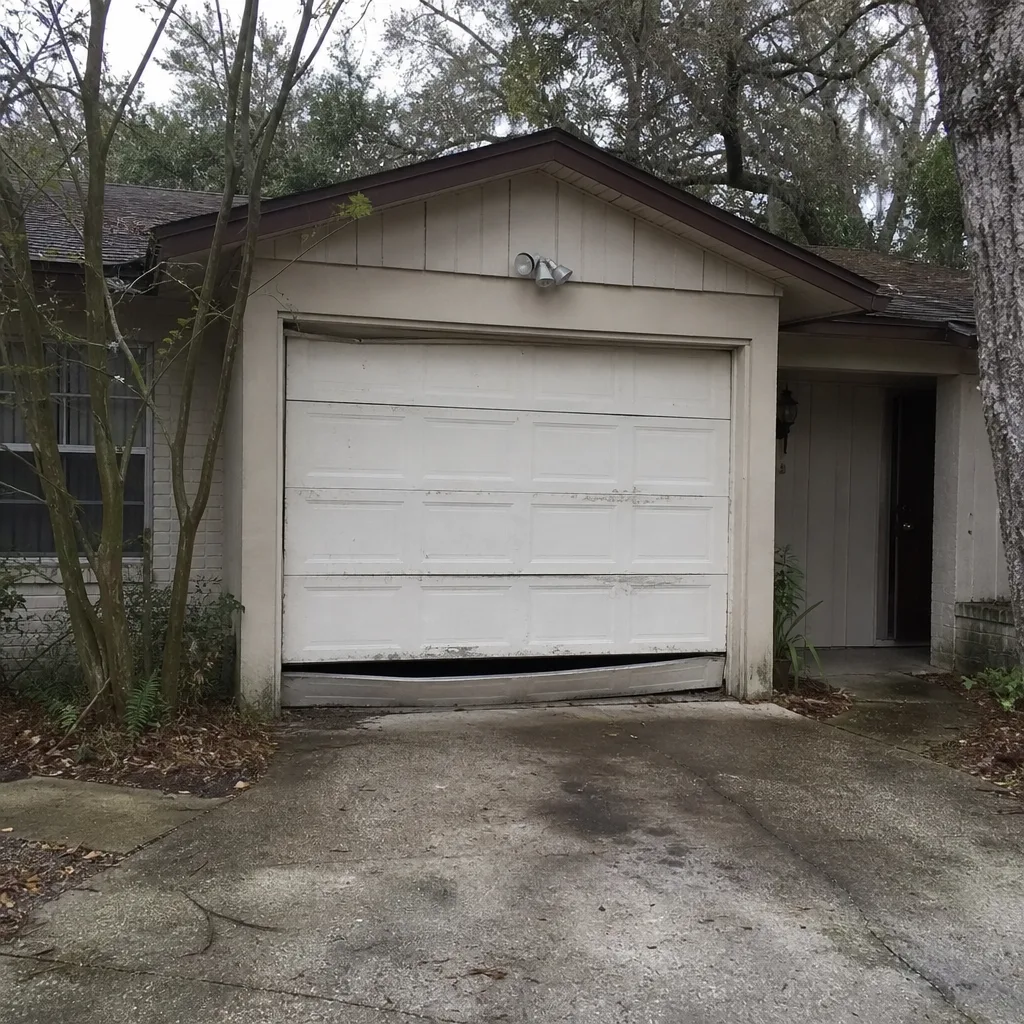 Before
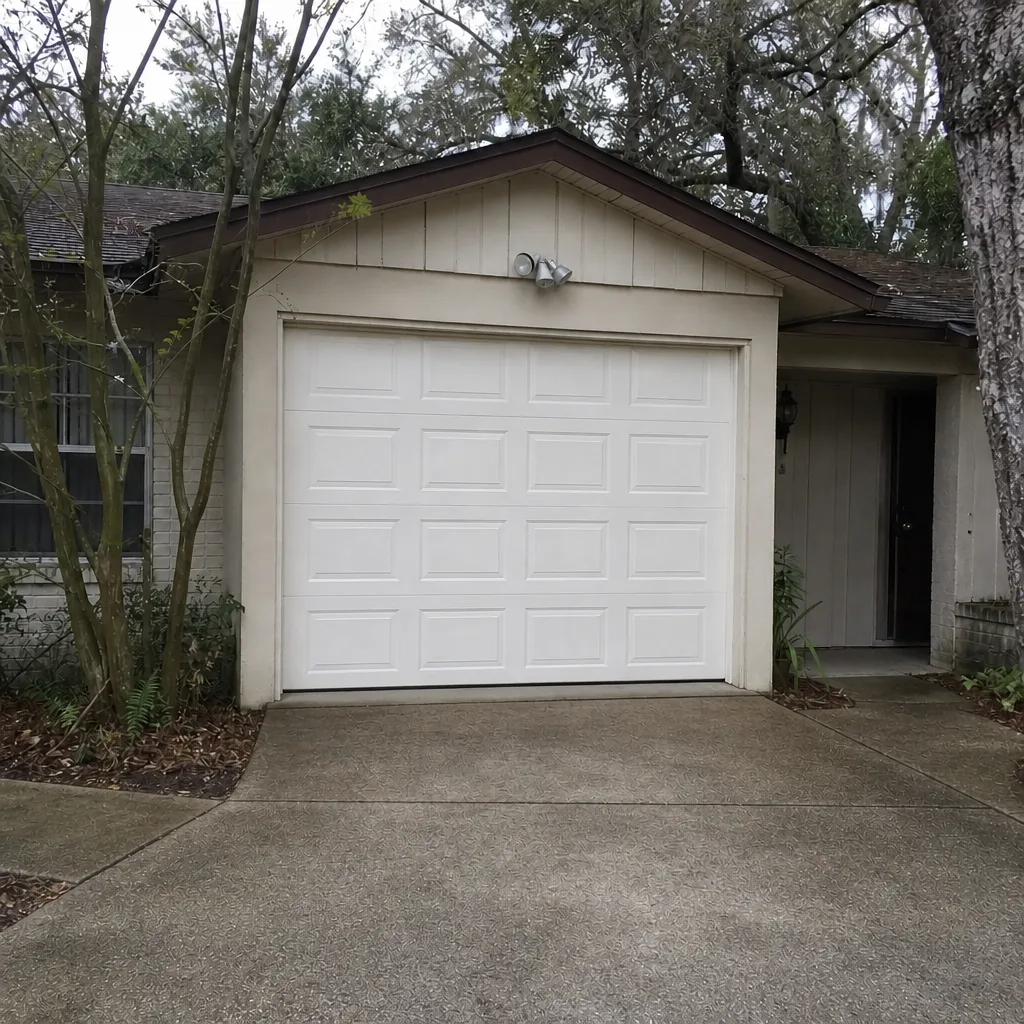 After
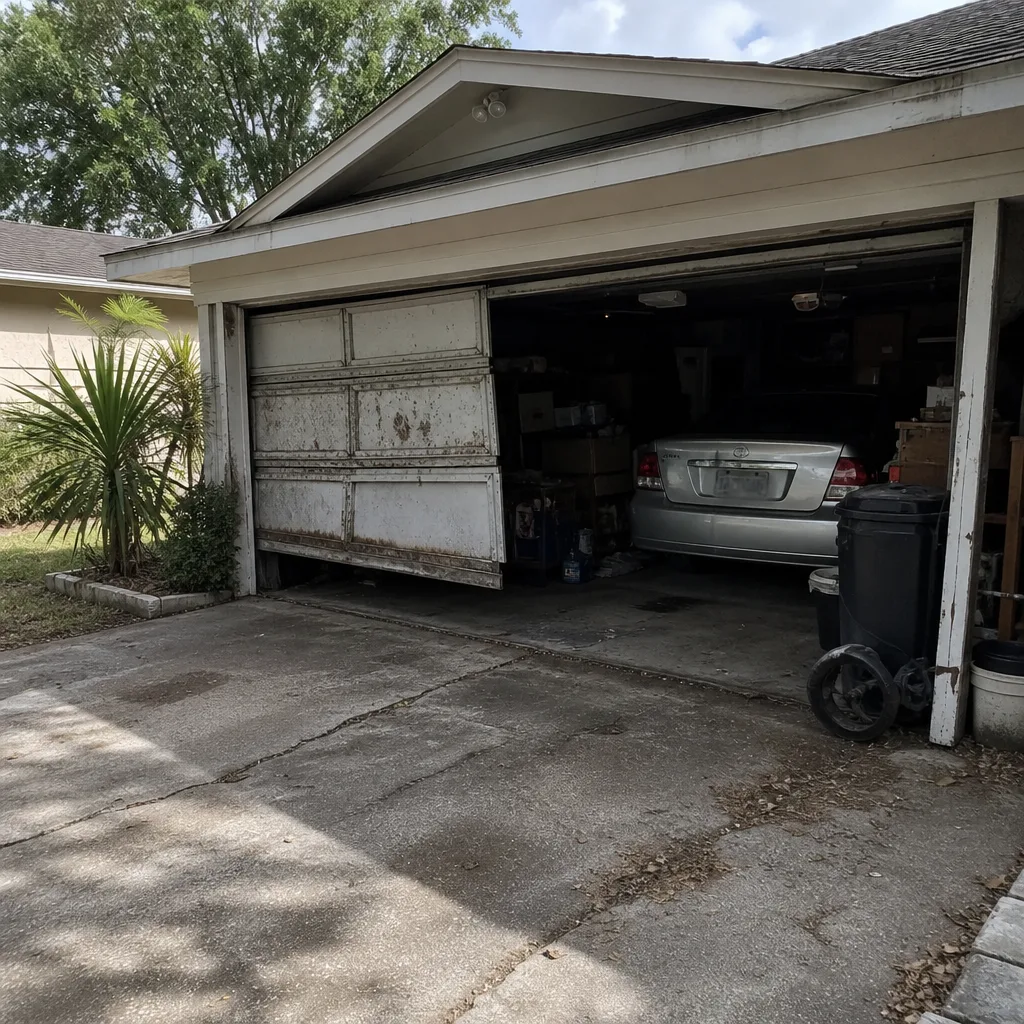 Before
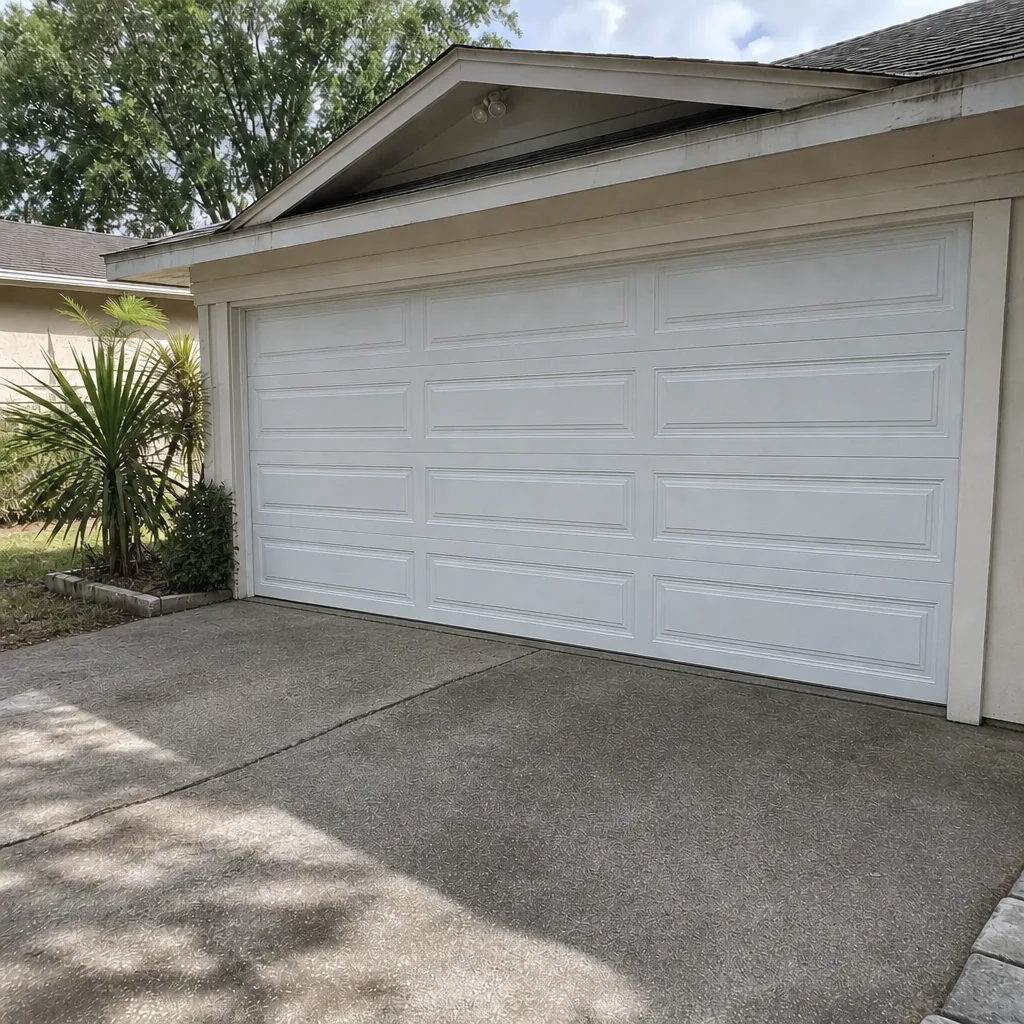 After
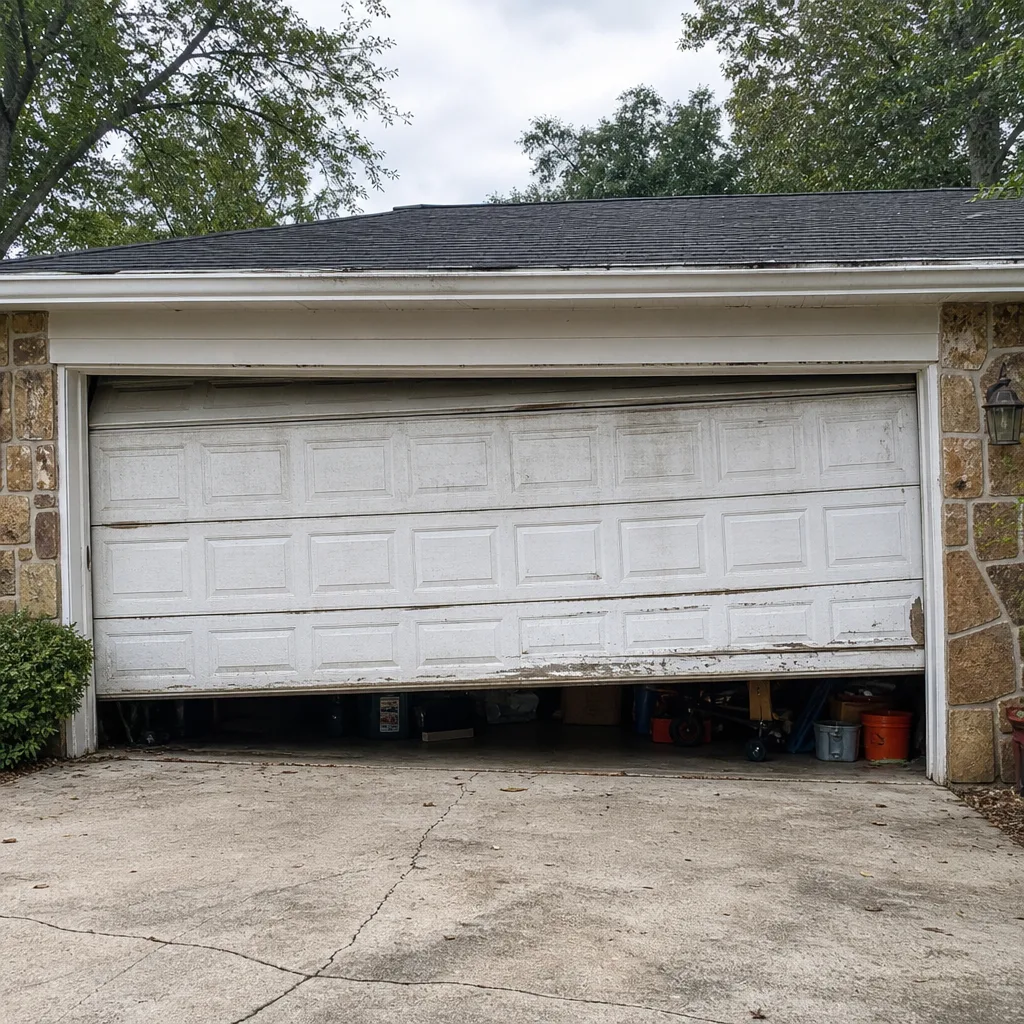 Before
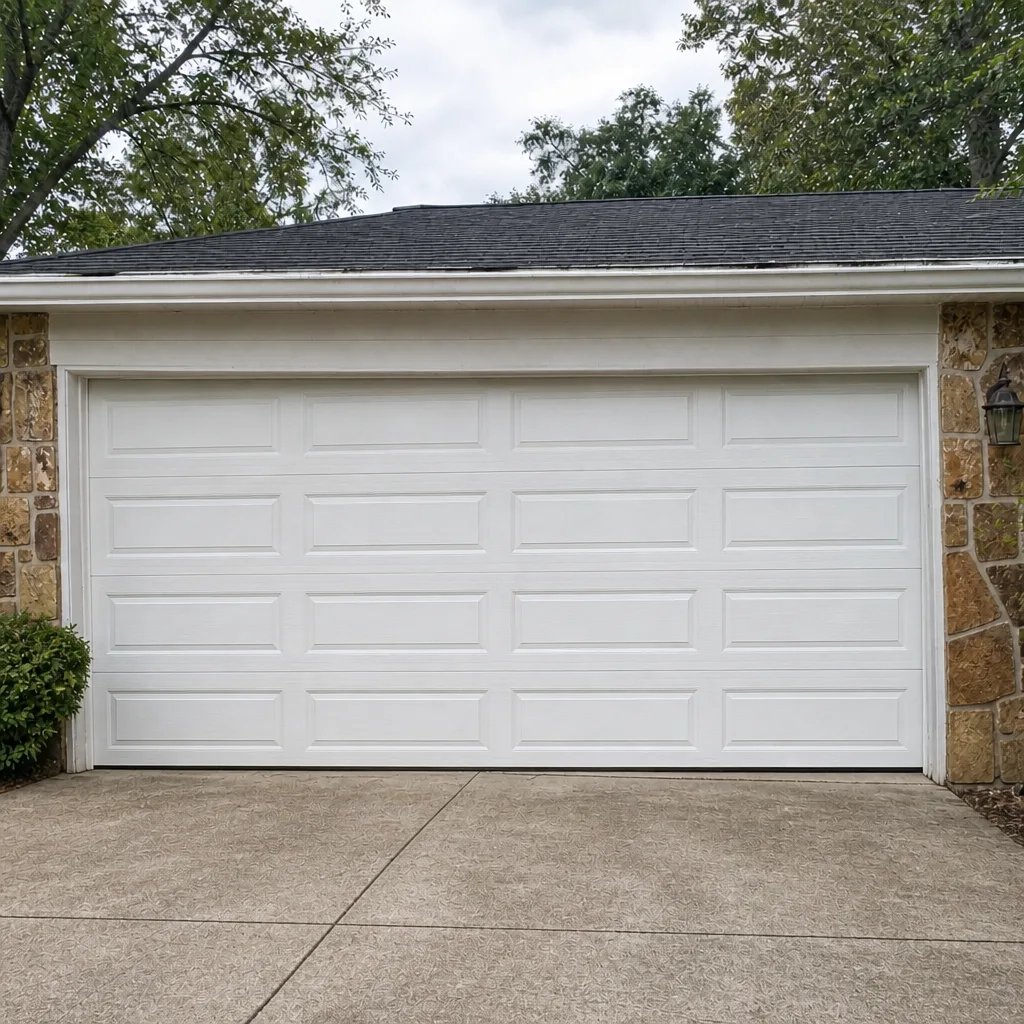 After